
What actually makes a founder investable – and why hustle culture may be working against women.
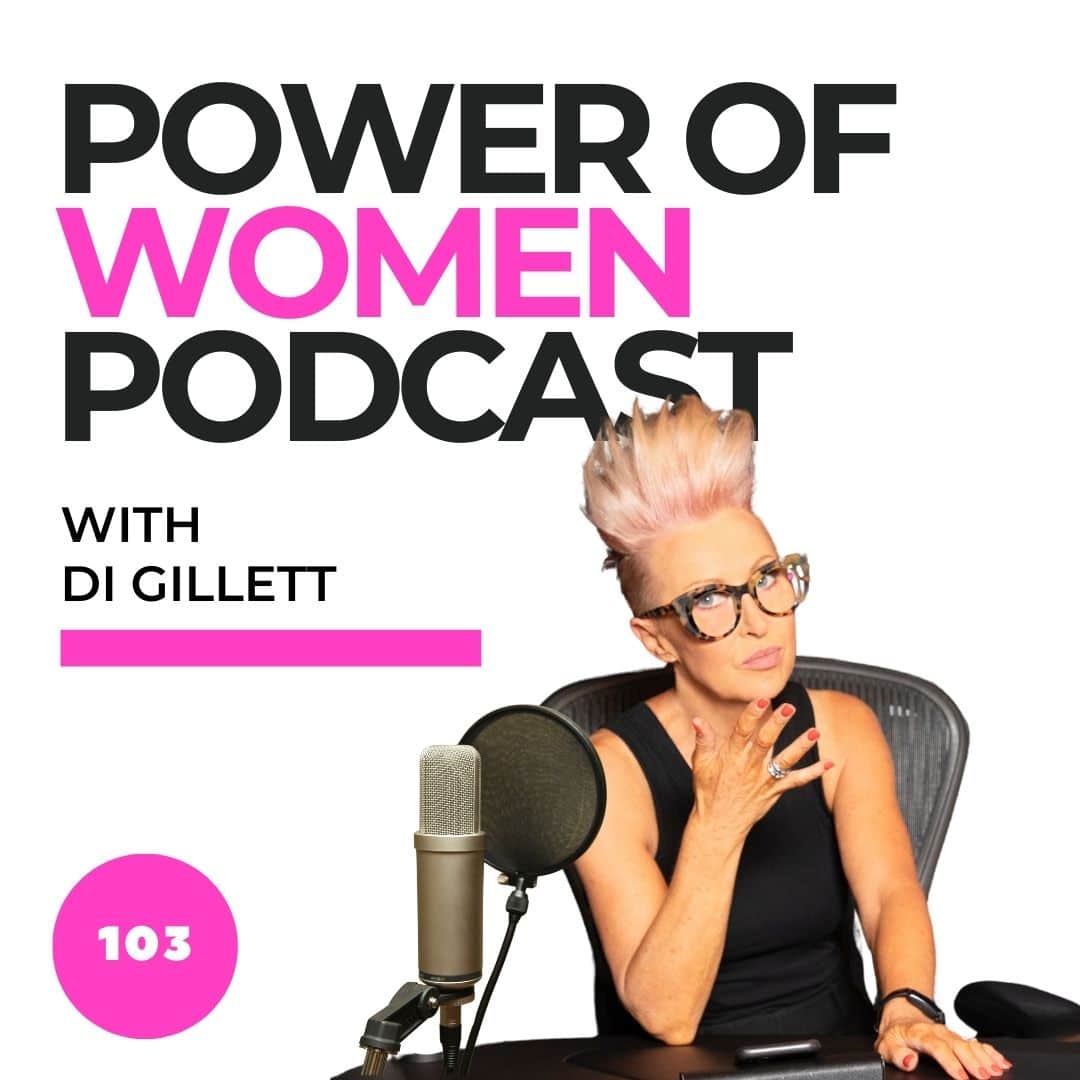
In this episode of the Power Of Women Podcast, Di Gillett sits down with Dan Copsey – entrepreneur, investor, and Group CEO, to unpack what investors really assess when backing founders, particularly women.
This is not a surface-level conversation about confidence or pitching harder.
Dan reveals why honesty beats hype, why performative hustle culture is a red flag, and why many of the most investable female founders are undervaluing what they already bring to the table.
From founder-investor dynamics to gender bias in startup rooms, this episode delivers an unfiltered investor lens every ambitious woman in business needs to hear.
You’ll hear:
Why honesty is the #1 trait investors look for
The biggest red flags investors see in pitches
Why hustle culture is failing founders – especially women
What female founders are doing right but not articulating
How motherhood, life load and leadership are undervalued assets
What makes an investor–founder relationship succeed long-term
How to know when your business is truly ready to scale.
Dan’s advice:
Lead with who you are, not just what you’re building
Hustle culture is not a credibility signal
Don’t take money from the wrong investor
Protect your equity early
Be transparent about your full life load
Build sustainability into your success
Choose investors who bring more than money.
Dan said:
“Honesty is the single most important trait in a founder.”
“Hustle culture distracts from the true core of entrepreneurship.”
“If an investor can’t add value to your life, they’re not the right investor.”
📖 Read the full transcript of this conversation here 👇
FULL TRANSCRIPT:
DAN COPSEY [Guest] (00:02)
There’s a lot of sharks in the water out there, especially at the moment. They’ll want to take a lot of equity off you very quickly and people can get really lost in the fact that, cool, we’re half a million dollars, but maybe you’re losing some.
DI GILLETT [Host] (00:14)
Nothing’s
for nothing.
DAN COPSEY [Guest] (00:15)
An investor-founder relationship is almost like another personal relationship. You need to find the right person, need to find the right team. They need to add value to your life, just like a husband or a wife with no value to their partner’s life. You’ve got to work well together.
DI GILLETT [Host] (00:32)
One word that defines a great founder. Biggest red flag in a pitch.
DAN COPSEY [Guest] (00:35)
Honest.
arrows that go up. I watched her go and I’m you are unbelievable. You are unbelievable. And when I first met her, she was like, she’d had a bad day. And I met her through a networking group and she walked in and she sort of just unloaded on the entire group. And I remember grabbing her at the dinner afterwards and saying, hey, don’t give up. Don’t give up. I said, the reason why they are treating you like that is because they’re scared of you.
My name is Dan Copsey I’m a very driven entrepreneur. ⁓ I’ve had many experiences in my professional and personal life and I really enjoy ⁓ working with different people and being involved with people. think people, it doesn’t matter what you do in life. I think being around the right people and being part of, know, ⁓ and having good people to work with and take on the journey is what I really enjoy.
⁓ So yeah, so just a very driven, driven entrepreneur. think my father, I heard my father over say to a friend of his one day, Dan will either be flat broke or he’ll be a multimillionaire, but either way he’s going to keep going. So that’s, that’s who I am.
DI GILLETT [Host] (01:50)
Have you ever wondered what really makes an investor say yes? Is it the idea, the founder, or something less tangible such as conviction? I’m Di Gillett and welcome to the Power Of Women podcast. And what I love about this platform is the opportunity to showcase and celebrate the strength, resilience, and achievements of women from all walks of life. And joining me today is Dan Copsey.
And as you’ve already heard, is an Australian entrepreneur. He’s an investor and group CEO of TMSPC, which oversees a portfolio of advertising agencies, hospitality ventures, and not-for-profit initiatives. Dan’s coordinated more than 10 businesses, serving as an advisor to numerous founders and executives. And he championed social impact through projects like Partners in Progress Foundation and the Health CoLab.
He’s passionate about resilience, work-life balance, and building businesses for good. And with so many founders looking to scale or secure investment, Dan’s insights into what it takes to make a founder investable couldn’t be more timely. Dan Copsey, welcome to the Power Of Women podcast.
DAN COPSEY [Guest] (03:10)
I am privileged to be here. I very, very privileged to be here. I’ve been looking forward to this for a couple of weeks now ever since when I started talking.
DI GILLETT [Host] (03:20)
Thank
you. Brilliant. Before we dive into investing and scaling, you’ve built and co-founded and invested multiple ventures. So what landed you in that entrepreneurial space in the first place? Was it that line your father said?
DAN COPSEY [Guest] (03:38)
My father said that many years after I started all my multiple ventures. I think some people are born to work for people and then some people just aren’t made to work for people and they need to be blazing their own trail, so to speak. And I think that’s where I’ve landed. Although I’ve spent the earlier part of my career
you know, working for other founders and their businesses. I always found that within those roles that I really treated the business like it was my own. And I really, you know, and that was where my work ethic developed. But I think being an entrepreneur, someone asked me this a couple of weeks ago, what does being an entrepreneur means? You and I just said freedom. That’s it. It’s freedom. ⁓
You talk about work-life balance. I call myself semi-retired at the moment. I have a country of happiness and more time outside mowing the lawns than anything else. So, ⁓ but, just that once it’s very hard to build a business and it’s very hard to build successful businesses. And I tell you, it’s very hard to build multiple successful businesses. But once you get into that rhythm and once you once you have those wins,
And once you start building, it’s very addictive. It is very addictive and what it can do for you, your lifestyle. And it’s not, I’m not talking about making millions of dollars or anything like that, but what it does create for you within your life is, I don’t think you can replicate that anywhere else. And it allows you to really chart your own goal. I was listening to Simon Sinek this morning in an interview he was doing with a comedian.
And Simon says his works all about what the goal is at the end, not so much the journey. And he finds a lot of people focus on the journey and they get to the end bit and they realize it was the wrong goal. So I really, I really like that. And I really like that being able to work that goal backwards. You know, like you should do in wealth planning or business, a business plan or anything else. Why shouldn’t you do that in your life too? So I think that if you do that, and that’s, that’s why being an entrepreneur and
and doing what I do, you know, it allows me to do all that and that’s what I really enjoy and why I’ve ended up here.
DI GILLETT [Host] (06:06)
Dan, had ⁓ another entrepreneur, Mandy Gunzberger, the podcast last year and she has scaled five business successfully and sold a couple of those on. And she tells the story of she then after selling one of her
more recent businesses went back to the role of employee and she was fired three times. Shocked the first two times, not shocked the third time. Do you think entrepreneurs make good employees or are they wired differently?
DAN COPSEY [Guest] (06:38)
I think the real entrepreneurs are wired differently. was once told, I’ve been told by several ⁓ director, know, highly placed sort of director friends of mine that I’m unemployable ⁓ to them because they would need a team around just to manage me. So, ⁓ but I guess that’s the thing though, like, you you think about just the Australian economy alone, where would the Australian economy be without entrepreneurs?
you know, entrepreneurs who want to go out and start businesses and even if it’s just as small as a small lawn mowing business or a makeup business or something like that, that’s an entrepreneur that is creating a macro economy that might be employing someone, it might be employing someone who necessarily couldn’t be employed anywhere else, you ⁓ I think, you know, one of the big things that was really learned over the last, I don’t know,
Even I mean not just through the pandemic but prior to the pandemic it was already starting to change, know, the flexibility in the workplace and things like that. You know, I think, you know, big corporates struggle to they say they want to give that balance but they struggle with it, think. So just a rigid framework when you get the smaller entrepreneurs, most of our employees in two of our businesses, you know, all work remotely.
So, you know, and I don’t really want to know when someone’s got a doctor’s appointment and I don’t want to know when someone’s going to take the kids to school, pick the kids up, go and do it. Go and do it. As long as the work’s getting done and the clients are happy and everything like that and the bills are getting paid, then I’m happy.
DI GILLETT [Host] (08:18)
I think there’s a nimbleness in the entrepreneurial business compared to corporate too. mean, corporations spend hours and hours around boardroom tables strategizing and it takes a long time to get any inertia to move things on. I think that the speed of entrepreneurial business is really quite contagious if that’s your thing. ⁓
DAN COPSEY [Guest] (08:41)
100
% correct and it’s one of the hardest things to keep within your business as you grow it and as you scale and you become bigger it’s one of the hardest things is to be able to keep that nimbleness and that you know that level of productivity and whatever else you want to call it know that fast action and being able to action things
DI GILLETT [Host] (09:01)
It’s the magic of what made them great and then the scale and all the operational processes come in and it loses what was the whole point in the first place.
DAN COPSEY [Guest] (09:13)
And I think you can get, well, in my opinion, excuse me, you can get too big. And that’s not for me. mean, we have quite a large number of head count across all our businesses, but I don’t want to be this hugely global corporation where I don’t know who’s working within my business and what skillset they are and what footy team they’re bearing for. That to me is quite important to be able to talk to all our employees on each level.
And I think that proves in itself too, we have some very long tenured employees, we have staff that have been with us ⁓ since the beginning and they’re still with us. So I think that speaks volumes in itself.
DI GILLETT [Host] (09:56)
Yeah. So what lessons stand out the most in terms of getting a startup off the ground?
DAN COPSEY [Guest] (10:03)
Don’t say yes to everything. I think that’s one mistake that a lot of entrepreneurs ⁓ make. They say yes to everything, ⁓ which I think in the end, it’s very early. It’s very easy for me to say that now being established and having clients and everything like that. And I can pick and choose the type of clients that we want to chase or we want to work with and things like that. And it’s not as easy in the early days. But I think selling your soul. ⁓
to a client and over delivering in the early days can really hurt you ⁓ over the long term because that expectation is set and then your worth is not what it should be ⁓ and then you struggle to upsell based on that and whatnot. So I think saying yes and it’s a mistake we made right in the start because we were keen to get every client we could ⁓ and get every little bit of revenue at the door. So we were happy to say yes to anyone and I think
looking back on it now, there’s probably about 10 clients that I wouldn’t have taken on again, ⁓ just because of certain circumstances and stuff like that. I think saying yes to people, ⁓ think it needs to be a very considered approach. Stick to your guns, stick to your worth, stick to your values. I think that’s pretty important in those early days, I think. ⁓ And if you can do that, it’s like ⁓ working through a bad economy. If you can work through a bad economy and
and hold your business and bring it out the other side, you’re going to be much stronger for it on the other side.
DI GILLETT [Host] (11:34)
Yeah, I think that’s right. So having worn the hat of both founder and investor, how’s that shaped your view on how you assess opportunities today?
DAN COPSEY [Guest] (11:47)
So we always look at the founder first. When I say we, I’m talking about myself and Alex and Adam, my business partners, but we always look at the founder first and what type of person or people they are. And I think the biggest misconception around entrepreneurship and founders and starting a business and everything like that over the last
10 years has been this hustle culture. And the hustle culture of, you you having to wake up at 5 a.m. and have a cold blunge and, you know, and then grind all day and things like that. I’m like…
DI GILLETT [Host] (12:27)
I’m going to blame you guys for that.
DAN COPSEY [Guest] (12:29)
Yeah,
well, that’s fine. That’s fine. That’s fine. You know, and look, I have a sauna and I enjoy sauna and what I’m not a plunge for a cold plunge, but it’s not it’s not, you know, this hustle culture that is is brought in into entrepreneurship is really distracting, I think, to what, you know, founders and the true the true core of a founder and what they should be like. So I always, you know, I like to
you know like to invest and we like to work with honest people, transparent people ⁓ I don’t want to know and I don’t need to know on your socials that you got up at 5am and and did a cold plunge and a run and then you and then you did your emails that’s I don’t to me to me that’s you know can be can be very off-putting yeah so we looked like to look at the really the the who the people are who the person and what their background is you know
DI GILLETT [Host] (13:23)
How do you do that due diligence, Dan? How do you actually get to know them?
DAN COPSEY [Guest] (13:27)
You speak to them. You speak to them. I won’t invest in business. We won’t go near a business. We have two very core principle frameworks that we work around when we invest. One is that we need to be able to add ourselves as a group, need to be able to add value to the business. We don’t like to be a passive investor. We like to be involved. And depending on what the startup or the business requires, we like to be able to fill a role and add value where we can.
So we don’t like to just throw money at things and then sit back and let someone else do it. We want to make sure that we can be part of the team and add some value to the journey if we can. And then two, it’s all about the founder. If we can’t sit down and like I said, I like to say break bread with the founder and have a meal, have a drink, have a beer, whatever it may be, and really chat and really get to know who they are, their family, you know.
where they’ve come from, know, what sort of upbringing or those things all, all, you it does, it does, you know, it really does. And I think not a lot of people sit down and actually get into the nitty gritty of it. It’s great that you might have the next AI startup, whatever it is, but you know, what’s your family like? You know, do you have children? know, to me, to me, you know, that’s, you know, and I don’t want to know why you want to
DI GILLETT [Host] (14:29)
love you a lot.
DAN COPSEY [Guest] (14:53)
you know, gender, stereotypia at all, but anything like that. But like, you know, a woman who has three children and also is involved in the startup, to me is a very worthwhile risk to take on investment business if she can do all of that. You know,
DI GILLETT [Host] (15:10)
Juggle all of that,
DAN COPSEY [Guest] (15:12)
⁓ You just go back and you look at, I like to term you coming from good stock. I like to know what people’s parents are like, what their family was like, things like that. You meet a lot of people who, I mean, I came from very middle class. My mom was a teacher, my father was a police, I have two brothers, and they’re quite successful in their own rights, both of them.
⁓ We had good values instilled in us. We all had law mowing jobs or paper delivery jobs early on in life. We all worked at Safeway back in the early days and whatnot. ⁓ My mom came from the country, so she brought a lot of good country value with her and her bigger family. My dad was a policeman, so he had all that sort of…
respect the law and everything like that, which I think is very important. you know, I would like to think that I’m, you know, a good investment for ⁓ a potential ⁓ investor. And I like to sort of go around and try and find people like that behind great ideas, because I think, you know, the other ones that are investors, sorry, entrepreneurs will make mistakes, business people will make mistakes, money will be lost. ⁓ Startups won’t get off the ground and everything like that. But I think
if it’s all done with good intentions, with the right people, I think that gives the best opportunity to get off the ground. And we’ve lost money on investments and that happens as part of the journey.
DI GILLETT [Host] (16:48)
Yeah, and I would say equally to an entrepreneur to be doing the due diligence back on the people that they’re looking to get into bed with. And I say that whether you’re a candidate going through an employment process to join an organization and people complain about how many times they have to meet or how many people they have to meet. And I say that’s actually the good scenario. You want to be able to lift the lid.
and get to know who you’re getting in bed with. I think all of that works both ways and it’s critical that it works both ways.
DAN COPSEY [Guest] (17:23)
It’s 100%. And you know, knowing your background day and you know, I was listening to you on the James Stewart podcast, you know, the other morning to like, you know, how you how you have to operate in that space. And we have a recruitment agency, the good crowd, and Ben and Arby and the team that run that they spend a lot of time making sure that you know, the candidate knows who they’re interviewing for and vice versa and things like that, because you can’t just mash these people together and hope it all works on paper, it’s not going to work because a lot of
synergies there and you know I’ve had the same thing employing people over the years you know we’ve got to make sure that we’re bringing the right person ⁓ into the ecosystem, into the culture that we’ve built or that we’re trying to build you know and it’s you know it’s like trying to you know put a puzzle together at the entire time but that’s the same yeah like you know any founder out there needs to be doing the research on the investors because a lot of different type of investors out there too you know.
DI GILLETT [Host] (18:23)
Some might want to invest to build and some might want to lean it down to sell it at a maximum profit and that looks very different.
DAN COPSEY [Guest] (18:32)
PE companies, private equity, want to come in and flip around, turn around. They’ll be looking over your shoulder the entire time. They want to take a lot of equity off the table. Especially when you’re in that very early stage, founding, you want some very founder friendly ⁓ investment terms. ⁓ And you’re probably not going to find that through a PE company, but you will find that through like a high net worth individual who looks at it goes, hey, this is a great idea. Yeah, I’m keen to give you some money, but I also want to value, I can bring you my networks here and I can help you with this and help you with that.
and not take a lot of equity off the table because I know if it gets to going where it needs to go then that little bit of equity they get at start will be worth much more down the track anyway.
DI GILLETT [Host] (19:13)
Yeah,
that’s right. So in balancing sort of burnout and balance, probably two things entrepreneurs really do struggle with because the hard yards to get something off the ground and particularly if you’re passionate about it and it’s your baby, you’re inclined to really get into the weeds. What’s your experience taught you though about being sustainable on an ongoing and longer term?
on the basis of energy and output and commitment.
DAN COPSEY [Guest] (19:44)
First of all, have a good partner. Whether you have a good wife, a good husband, you need a good partner and they need to understand what you’re doing. I’m very lucky in the fact that my wife was very understanding and she’s been along for the journey, the highs and the lows. And she’s still here today, which is amazing. you know, she’s, we don’t have children, but she’s, you know, she has her own sort of high pressure corporate job herself. So, you know, to,
to coincide that with the journey that I, and I’m not just taking myself on it, I’m taking her on it with me. So, to be part of that. ⁓ The other thing that I learned along the way is ⁓ you need to look after yourself physically. That is one of the biggest things that ⁓ I learned along the way. I think, suddenly enough, I you and I used to, I still train with Will, I believe you used to train with Will.
DI GILLETT [Host] (20:40)
used to change with Will, yeah, not anymore. I’m in the old people’s gym now. what I call Kesa, no offence to Kesa, but I do call it
DAN COPSEY [Guest] (20:50)
We
should be there as well. But anyway, ⁓ so but we’ll one thing will will taught me in those ⁓ in the early days of training with him is, is he’s not so much about getting in there to move weights for the sake of moving weights, it was to get in there to move your body and get your mind going. And that was, you know, if a good a really good gym session or run or walk or whatever it may be physical exercise, right?
DI GILLETT [Host] (21:13)
You’ve got to build it into your schedule. It’s a non-negotiable.
DAN COPSEY [Guest] (21:17)
Yeah,
after, So I, I, I do, I train three times a week just in the gym. Nothing crazy. Yeah. Yeah. I also walk an average of 12,000 steps a day, but I build that.
DI GILLETT [Host] (21:23)
As
⁓ on the same track Dan, it’s exactly same. But weight training and resistance training is an absolute must, particularly as we get older. And mentally it opens up your mind after you leave your desk or whatever meetings you’ve been in.
DAN COPSEY [Guest] (21:47)
Yeah, and the third thing that I found out of my journey too is just be careful around alcohol, alcohols, even if you’re just a social drinker, you know, it just, can vary, it can give you a lot of brain fog. And people don’t notice that. you know, I remember at the start of 2020 before we even knew what the pandemic was, I actually
made a New Year’s resolution to give up drinking for the year. Because I just had this inkling that 2020 was going to be a big year for me, for my business, everything like that. So I’m like, you know what, I don’t want that distraction. So I gave up drinking. Well, it was fantastic. And everyone just thought it was, how can you not be drinking? We’re all sitting at home doing nothing for that entire year. How can you not be drinking and things like that?
DI GILLETT [Host] (22:30)
What did that feel like?
DAN COPSEY [Guest] (22:42)
Um, I just, I, the clarity that it gives you was unbelievable. I wasn’t a drinker beforehand. You know, I’d go out to dinner, we’d have a bottle of wine, you know, whatever. I’ve never been a big beer drinker, I might have a bottle of wine or a cocktail or whatever it may be. But I did notice after that year, um, after 2020, um, when I did start, you know, I’ll pick up drinking and that it had reduced right down. It reduced right down to the fact that I hardly drink now.
⁓
DI GILLETT [Host] (23:12)
And it’s not until you take something out that you know, and I know I’ve done much the same and it’s only the occasional drink in a social setting and the wine industry is probably struggling with a lot of people making the same decision though because we’re not drinking at home or drinking as much.
DAN COPSEY [Guest] (23:33)
We see that through the pubs that we’ve been involved in over the journey into like, you know, the intake of alcohol has dropped considerably.
DI GILLETT [Host] (23:39)
As an investor, you subtly looking at all of these things in, so I mean, I, I think going out to dinner, yeah, cause I think going out to dinner is never just going out to dinner. think, you know, you’re, you’re clearly being assessed in that process of how you handle yourself. Is, that not the case?
DAN COPSEY [Guest] (24:00)
I look for the party bit. I look for the party bit because the party bit, you know, I’ve seen that over my journey, you know, I spent my early 20s and whatnot in nightclubs and as everyone else did, you can tell things and tell those things about people. And I want to make sure that people are asking for money or for investment for the right reasons too, not that it’s going to.
fuel a lifestyle over here and what not. And I think that’s regardless of the lifestyle that fuels if it’s drugs or alcohol or, you know, fast cars or whatever. think there’s a there’s a time to have all that. But, you know, I think you need to show you being respectful and transparent with the money that’s been given to you to run a business. like I’ve seen so many insolvencies over the last three or four years, businesses that have gone into administration or liquidation.
And you see the amount of wages that directors are paying themselves and tax bills that they’re running up. I’m just, my mind boggles at some of that. the businesses that are two or three years old and the directors are taking $250,000 a year out. Plus there’s a Tesla in there. It’s unbelievable.
DI GILLETT [Host] (25:13)
I started with the wrong raisin.
DAN COPSEY [Guest] (25:15)
Exactly, exactly. I mean, I sat on $50,000 a year for the first seven years, if not more. So, you you’re getting into it for the wrong reasons, I think.
DI GILLETT [Host] (25:27)
Okay. Well coming up, we’re going to talk about the gender divide in the startup world and what’s shifting it and what isn’t and why most investable founders typically don’t look like the stereotype.
If you’re loving the Power of Women podcasts, be sure to jump onto our YouTube channel and hit that subscribe button to ensure you never miss an episode. I’m talking with Dan Copsey, entrepreneur, investor and advocate of women in business. Dan, let’s talk about the gender divide in entrepreneurship. From where you sit as an investor, what do you see as the biggest challenges?
DAN COPSEY [Guest] (26:10)
Factful there’s more male founders out there than female founder. Yeah, that’s just how it is and you know, right wrong or indifferent. That’s just how it is. I think My advice to I’ve done some work I’ve do a lot of work with female founders and and even just in advisory positions and probably the the ladies that I you know that I’m just advising for and I have one particular
company that I won’t mention who they are but they’re fantastic these two ladies right they are in the HR space they have one has two children the other one has three children one of them her husband’s another founder and he’s going to running a tech company and the other one they’ve a lot going on and I just look at these two and I go you are very intelligent super intelligent very driven right but lack confidence in a room and
DI GILLETT [Host] (26:56)
going on.
DAN COPSEY [Guest] (27:09)
And I look around and I just like, guys, I would listen to what you guys have to say all day long every day. think you’re both fantastic. Like, and I know other people would once you get out there. I really think sometimes, you know, I just it’s a it’s a real lack of confidence sometimes, which but then I started looking at it go, why is that? So maybe but then I was I was in ⁓ a networking group with these with one of these ladies.
DI GILLETT [Host] (27:11)
extraordinary.
DAN COPSEY [Guest] (27:40)
And I looked around at the rest of the group and this lady, she probably very similar age to me, know, sort of mid forties. And then I’ll look around at the rest of the group and they were like quite older than us, you know, and a lot of a lot very male dominated. And I’m like, right. And I just saw how those sort of blokes acted in that scenario. They were talking over everyone over their opinions and this and that, whatever. And then you just see ⁓ the this lady
⁓ just sort of, you know, just sit there and listen and just disappear into it. I thought you’ve, you’re more intelligent than these guys and you’ve got more to say than these guys. These guys are just verbal diarrhea almost like coming up with what they’re saying and nothing original, no original thoughts and whatnot. I you’ve got all this you should. And I actually pulled her aside afterwards. I said, you have to interject yourself in there and just really, you know, get the elbows out and push through. And I said, it’s really sad that you have to do that.
But that’s how it is, right? You’ve got my support and I’m sure you have other people’s support. But, you know, and then I watched this same lady in another environment where the general age was probably a lot lower than our age. you know, not Gen Z, but sort of that millennial in between there. I’m actually millennial. I was 1981, but I call myself Gen X because I just amused.
DI GILLETT [Host] (29:02)
I’m actually a boomer Dan, but there you go.
DAN COPSEY [Guest] (29:06)
I like the music generation X is better, so I’ll try to do anyway.
DI GILLETT [Host] (29:10)
Well,
I’m on the cusp.
DAN COPSEY [Guest] (29:13)
But
there are millennials in this group and it was funny because she really got into that group and could really, you know, and she really dominated, but was part of the conversation.
DI GILLETT [Host] (29:22)
But
she felt intimidated generationally.
DAN COPSEY [Guest] (29:25)
Yeah, and I just thought is this this is this a thing and and it makes a lot of sense like when you go back and I mean listening to some of your stories the other day with James Stewart like you know you’ve probably had some of that and I listened to it was funny that same morning I listened to your podcast I listened to Mark Boris interview Ida butt rose and
Yeah, it’s great. And she’s like no nonsense lady who but she’s she’s been shaped like that over the years of dealing with, you know, the Packers and whatnot is older.
DI GILLETT [Host] (29:58)
circumstances start to create the character so maybe maybe what you’re observing is somebody who just hasn’t had enough runs on the board yet to shape her
DAN COPSEY [Guest] (30:07)
Yeah, but you see it around a lot. ⁓ know, and I know we’re going to talk about Jess and Bri in a moment too, those two ladies are fantastic. Like, back those guys every day of the week. They are just unbelievable. it’s almost, ⁓ it would be very threatening to be in a room with them if you are sort of like ⁓ anyone, female or male, that was sort of, you know,
DI GILLETT [Host] (30:34)
I think a very strong, confident and then a tall female is more intimidating to me than any male could ever be.
DAN COPSEY [Guest] (30:44)
100 % 100 % % Yeah, yeah. Look, I just, you know, I want to support the founder, male or female based on who they are and what they’re bringing to the table. But a lot of the time, you know, when we do come across female founders, you really look at them, know, are they a mother? What else have they got going on in life? Because females carry the majority of the household with them.
DI GILLETT [Host] (30:46)
always felt that way.
DAN COPSEY [Guest] (31:14)
you know, traditionally, like always have, right, you know, ⁓ you know, if they have children, they’re dealing with, you know, if they’ve got three children, they’re dealing with three sets of emotions, three sets of personalities, not to mention their husband, you know, add a fourth one into the mix. So they’re carrying all that. Then, you know, there’s a lot of things to do in the household and whether the household is split in the mail helps with, you know, the housework or whatever, however it looks, you know, they’re bearing a lot more.
Yeah. And you just think, and you want to do a startup on the back of that, like 100 % I’m backing you every day of the week. Cause you know, like anyone who has, I think you’re slightly insane. That’s great. Cause you need a little bit of that to be an entrepreneur. Let’s go. Let’s say I’m on board with that every day of the week. I it’s just fantastic. I mean, I watch it. My mom wasn’t an entrepreneur, but she, she raised three boys. She worked full time the entire time. Um, and you know, everything around my dad, you know, he was
like I mean he was always, my dad was very good. was always around the house. Yeah but he did a lot of shift work and very stressful you know and like you know he was in the highway patrol and whatnot so a lot of there’s a lot of trauma issues and whatnot that he would have experienced every time so a lot to bring home too you know into the home environment and then for the mother to sort of like you know navigate all of that too so there’s lot going on but then I thought well my mom could have probably run a business very easily.
on top of everything I actually did.
DI GILLETT [Host] (32:41)
Maybe that’s where your genes have come from.
DAN COPSEY [Guest] (32:45)
I’m
dead. But you know, it’s, I just, yeah, I just, I just think, ⁓ just, sometimes you just, and I see them, I see it more often than I would like, these very intelligent entrepreneurial women, and they’re just not putting themselves out there as much as they should, I think.
DI GILLETT [Host] (33:04)
I’ve had a number of podcast conversations about this. I’ve got, we’ve just done one with with Shori Archibald and I did one at the end of last year with Carly Lyon and it is a common point that so many people are good at putting their brand or their business out there but not themselves. So it is a very, very common point. But I mean we talk about
⁓ female founders, the difficulties in raising capital and the reluctance they find at various turns of individuals investing in them. But conversely, what strengths or differentiators do you see women bring to the table that they should be putting forward in their pitch or in their deck or just the whole
storytelling of why invest in me as a female founder.
DAN COPSEY [Guest] (34:04)
Well, I think just to go back on what we just talked about, like I wouldn’t laugh if I saw a female founders resume and says I have three kids and this is what I do with these children and that’s a job. That’s a ⁓ part of my career. Like, because I would just go, there are some serious life skills in there that you are developing and putting to use. Right. So that’s a whole job and career. So, you know, I would, you know, I would encourage, I would encourage female founders to talk about, to talk about that sort of stuff.
DI GILLETT [Host] (34:24)
That’s job one.
DAN COPSEY [Guest] (34:34)
being a mother, being, you know, all those sort of things that they have to do. That’s the life skills that you developed through during doing that is unbelievable. And so I think that’s one of the big things that people don’t think about when they look at females.
DI GILLETT [Host] (34:48)
So bring the whole person to the table.
DAN COPSEY [Guest] (34:50)
Bring
the whole person to the table because that is what essentially well from where we sit that’s what we would invest in. That whole person. You know bring it to the table who you are right because there’s going to be times right when and I’ve seen it there’s going to be times when it does get too much right you know kids might be acting up or there might be a problem with the kids or whatever and everything it’s can be extremely overwhelming right and you’ve got you’re going to have moments where it gets too much right.
But you need to, the team around you needs to know like, hey, that’s, I’m not just here being an entrepreneur and a founder. I’ve also got this whole career going at home that I’m dealing with from, you know, the time I stop here and go there. And as an entrepreneur and a founder, especially the way we deal across the globe at the moment, we’re a very global community now, you know, there’s no time to switch off.
being an entrepreneur, there’s no time to switch off. you know, people are trying to get at you all days of the week, know, and technology allows Adam and whatever else. So, you know, just to see these women go and manage that and manage home, you’re just like, wow, that’s, you know, it’s unbelievable. So and you just have to, I think as a, as a male, right, involved with these female type founders, these female founders, you have to be very supportive of that. You have to recognize that.
and you can’t go, oh, what do mean? You’ve got to go home and deal with the kids or can’t someone else do that or can’t you get a nanny or whatever? You’ve got to be supportive of that. If you don’t realize that when you’re going in, then you’re in the wrong investment working whatever relation.
DI GILLETT [Host] (36:27)
I think conversely the entrepreneur needs to put it all on the table up front because you can go in and declare everything, it’s very difficult to try and add it in after the event because that looks like you’ve been withholding. So I think laying it bare from the outset is the only way to go.
DAN COPSEY [Guest] (36:48)
Yeah, yeah, yeah. Look, you know, I work with a founder at the moment. She’s a founder in the construction space. She’s an amazing lady. ⁓ And she and her partner ⁓ have just had a little baby. So they’ve got a little baby girl. And she’s working in an industry which is so male dominated and so skewed against her from the start. It’s unbelievable. ⁓ And then she’s also a mother.
And she got a very supportive partner. He’s fantastic, right? But he he’s not the entrepreneurial drive that she is, you know, and I just I watch her go and I you are unbelievable. You’re unbelievable. And when I first met her, she was like she’d had a bad day and I met her through a networking group and she walked in and she sort of just unloaded on the entire group. And I remember grabbing her at the dinner afterwards and say, hey, don’t give up. Don’t give up. I said the reason why they are treating you like that is because they’re scared of you. That is it.
They’re scared of you and how you operate and how quickly you will make them all look silly. That’s just that’s just the truth. And I’ve been in that industry. been in the construction space and I’ve seen what female entrepreneurs and how quickly they could dominate that space. Right. And said, you’re you’re copying a lot because people are scared of you in that space. Don’t give up. And then we formed a very good friendship. Yeah. And I was just like, you know, just don’t give up. Whatever you do, don’t give up because then they win. Right. And it’s you know, that’s
DI GILLETT [Host] (38:07)
Good observation. ⁓
DAN COPSEY [Guest] (38:15)
And it can be a game for a lot of people. don’t realize, they don’t realize to, you know, when you get those male dominated industries and you start putting a lot of pressure on a female, especially a female founder, she has to go home and she’s got to deal with that. But then she might have children. So she’s got to deal with all that. Like it’s a huge emotional load to take on, you know, professionally, personally, the whole life.
DI GILLETT [Host] (38:38)
Yeah, it’s good training ground, Some of those badly behaved blokes in the workplace might be a walk in the park.
DAN COPSEY [Guest] (38:46)
It’s a great skill to have. It’s a great skill to have, you know. So, you know, they become unbelievable negotiators because they go from negotiating with a four-year-old in the morning to negotiating with a 44-year-old in the afternoon.
DI GILLETT [Host] (38:59)
But there might not be a lot of difference sometimes.
DAN COPSEY [Guest] (39:01)
I’ll win both those arguments, I think with a cookie. So yeah, it’s just like, you know, I just, there are so many, so many wonderful, super intelligent, super driven female founders, especially in the Australian ecosystem, especially in Melbourne, right? That I don’t think get the exposure that the kudos. Yeah, it’s amazing, you know.
DI GILLETT [Host] (39:28)
And you’re working with a few of those at the moment. You’re working with a couple of powerhouse female founders, those behind Frank Boddy and Willow and Blake. What did they get right that other female founders could learn from?
DAN COPSEY [Guest] (39:44)
They just never took no for an answer. two, they are fantastic. They’re like yin and yang. Jess is unbelievable. She’s, you know, the penultimate out there, you know, found a leader. ⁓ know, she’s on panels. She has a great network and she’s out there and people, you know, listen to her and value what she has to say. then,
DI GILLETT [Host] (40:08)
Distinct
to the woman who wasn’t confident to speak up, Jess has been visible.
DAN COPSEY [Guest] (40:13)
Yeah, correct. then, Bri, Bri is a bit more introverted. She’s probably, you know, she’s the operational brain behind everything and works in behind the scenes. But again, those two have developed such a following. And I’ve watched them, I watched them, I watched them run an event recently, you know, it was fantastic. And you know, they have the ear of some wonderful, extremely powerful
people, you know, they had the editor in vogue at their recent event and she was just hanging off every word that they had to say. you ⁓ know, they just, you know, when the opportunity came to invest in their business and be a director alongside them, at first thing I said to them, when we sort of jumped on our first zoom to sort of all meet each other properly and have a chat and, you know, sort of get to know each other.
You know, it was all about, you know, I wanted to know about families and whatnot and their partners and what they all do and everything and their children and everything like that. And then I said to them, because they asked me, why do you want to be involved? said, why wouldn’t I want to be involved? Why wouldn’t I want to be involved? Look at you two. You’re like, you’re unbelievable.
DI GILLETT [Host] (41:27)
So it was people first that attracted you as an investor versus the idea?
DAN COPSEY [Guest] (41:31)
Yep, yep, 100%. Look, I’ve been around a long time. Their work speaks for itself. And I think not what they touch turns to gold, but I know they know how to work a product very well and get it to market. know, Frank Body started off as a case. ⁓ They started Frank Body as a case study for Willow and Blake. Frank Body turned into a hundred million dollar business. They started it just because they didn’t have any. They wanted to get a lot more work in that.
genre for Willow and Blake, but they didn’t actually have any runs on the board yet. So they went and started a small, you know, know, business and turned into a hundred million dollar business. mean,
DI GILLETT [Host] (42:11)
Yeah, well, that’s a hell of a side hustle, isn’t it?
DAN COPSEY [Guest] (42:15)
This is
last side hustle and you just watch them and you know, they have they have they both have both have two children. I’m pretty sure they both have two children. Yeah. You know, they have fantastically supportive husbands ⁓ and you know, but they make time for their family and they make time for ⁓ their professional side of things. And one of the first things I did with Jess early days is right. Cool. When can I not contact you? When is family time? Tell me when family time is so can respect that.
And she’s like, oh yeah, cool. is great. Cool. Well, I’ll just have a little note here and I, you if I’m trying to get hold of you or whatever, and it’s family time, then I’m not going to bug you. So, you know, cause that’s, um, I think that’s very important. Like I said earlier, you got to respect that you’re getting involved with, you know, um, female founders like that. need to respect that they have this other career going on outside.
DI GILLETT [Host] (43:05)
So I think in listening to that Dan, my takeaway for anybody listening is you’ve got to find a marriage between yourself and your investor because if you’re the opposite who’s on the phone at 6 in the morning and 10 at night, you’re probably not the right investor for the woman with family life and boundaries as well.
DAN COPSEY [Guest] (43:34)
Correct, yeah. An investor-founder relationship is almost like another personal relationship. You need to find the right person, you need to find the right team. They need to add value to your life, just like a husband or a wife would add value to their partner’s life. You’ve got to work well together. That’s exactly how an investor relationship should work. Don’t take on the investor just because they’ve got money.
Bring an investor on because they value what you’re doing, they value the type of person you are, and they can add value to what you’re doing, not just money, not just
DI GILLETT [Host] (44:08)
Yeah, that’s important. So for those who’ve already launched a business, are the key signals that a business is ready to scale? And then how do you know when it’s time to go out and seek that external investment?
DAN COPSEY [Guest] (44:24)
I think it all works down to the growth plans. We talked a little bit before Simon Sinek and how he looks at the goal and then works back from that. A lot of people work the other way around. I think to really pinpoint those points in your startup where you want it to, you know, this is the next stage. This is, I’m going to hire X amount of head count here and so on and so forth. think to have those goals clearly set out ⁓ is really, really important.
It’s depending on the product and the service and whatnot. It’s really hard to know when to scale. mean, like, you know, I take a lot of my businesses. I want to go from zero to hero very quickly. ⁓ And it’s all in our game in the agency world, like recruitment and advertising. It’s all about revenue. But the models changed considerably. Like we’re doing we’re doing a lot more revenue now with a lot less headcount, you know, and that’s not because of AI or anything like that. It’s just because we’re being smarter.
DI GILLETT [Host] (45:22)
Times
have changed.
DAN COPSEY [Guest] (45:23)
Yeah, and that’s just it. So to have those revenue points and be prepared, I think a lot of people are too scared to take on big opportunities as well. Like, know, fake it till you make it. You know, that’s, you know, I think, you know, if Alex and I and Adam and the team sort of hadn’t had that motto early days, fake it till you make it, we probably wouldn’t be where we are today. We said yes to a lot of things we probably shouldn’t have said yes to, but we made it work behind the scenes.
DI GILLETT [Host] (45:53)
how to do it afterwards. Yeah, and I think that’s a classic entrepreneurial trade. mean, the opportunities there, take it and work out the mechanics after the event.
DAN COPSEY [Guest] (46:03)
Yeah, yeah. So, you know, those big opportunities can come on. I think you just got to you got to know when the right opportunities in front of you, because that’s one that’s going to make you scale, you know, and take you to the next level. And then you scale along the way. Scaling is not all about just putting on headcount. It’s not always about just getting new clients and whatnot. It’s, you know, it’s about, you know, making sure that underlying operations in your business are working well, know, the finances working well, you’ve got enough funding, you know, if you want to take on investment.
Take on investment in the right frame of mind and the with the right attitude. I think don’t just take on investment, you know, because, you know, someone so wants to invest in you or you want to take some money off the table. What is that angle? Are you building whatever you’re building to sell it? Right. Cool. Well, then you might take some money off on the table along the way to sort of de-risk yourself. ⁓ But there’s a lot of sharks in the water out there, especially at the moment.
You know, they’ll want to take a lot of equity off you very quickly and people can get really lost in the fact that, cool, we’re half a million dollars, but maybe you’re losing 75. Yeah, So just find founder-friendly terms. That’s, know, someone who doesn’t want to take a lot of equity at the start or they want convertible notes or they’re going to…
DI GILLETT [Host] (47:10)
Thanks for
DAN COPSEY [Guest] (47:23)
sweat equity is a really good thing in the market at the moment we do a lot of that too rather than put cash in we’re putting services in so there’s a lot of that.
DI GILLETT [Host] (47:31)
I always love that because I think that shows the intention from both sides.
DAN COPSEY [Guest] (47:36)
That’s skin in the game, you know, for everyone and that’s important.
DI GILLETT [Host] (47:39)
Yeah,
yeah, brilliant. Well, Dan, thank you so much because I think it’s a, it’s often a world that is unknown to somebody starting out a business and whilst they understand investment and is probably the next stage in knowing how to approach it is not necessarily something that’s in everybody’s direct playbook. So,
I’ve got a couple of rapid fire questions for you if I could to wrap up today. One word that defines a great founder.
DAN COPSEY [Guest] (48:20)
Honest.
DI GILLETT [Host] (48:22)
Love that. Biggest red flag in a pitch.
DAN COPSEY [Guest] (48:25)
arrows that go up.
DI GILLETT [Host] (48:27)
And the best piece of advice you’ve ever been given.
DAN COPSEY [Guest] (48:36)
I’m going give you two here. So one was from an older gentleman that I know sort of family circles and he said to me early days, he goes, always be prepared to do every role in the business. Don’t hire someone until you absolutely necessarily have to be prepared to do every role in the business. And which has stuck with me a long way through my journey, which is kind of cool. And then the other one was you don’t know you’re getting bad advice until you get good advice. So always seek out the good advice.
And I think I think more of that is just make sure make sure you you’re not you’re not in a an echo chamber. Make sure you’re taking advice from lots of different angles and process it and you know because everyone’s going to be different. Everyone’s going to have different experiences going lonely on their own. you know some people just have their might have their little advisory board or table one person and that might not be the best advice. Go and seek out advice from everyone. You know and I think a true
DI GILLETT [Host] (49:33)
I think that’s life in general.
DAN COPSEY [Guest] (49:35)
It is, yeah, and I like this is one thing I do like to hang my hat on is that if anyone reaches out to me for a coffee or a chat or wants to ask a question, I’m all ears for it because there people who did that for me early days and it’s all about returning the favor and I think if you’re a true entrepreneur and you’re true business person and you’ve been on that journey, if you’re not doing that at some point or later on in journey and trying to impart that knowledge backwards or help out, then I don’t think you earn the right to be a true entrepreneur. So you should always be willing to.
you up into the community.
DI GILLETT [Host] (50:06)
Yeah brilliant. Dan thanks so much. If anybody wants to get in touch with you what’s the best way to reach out?
DAN COPSEY [Guest] (50:12)
LinkedIn, LinkedIn hit me up on LinkedIn. My the DMS always open come in. Yeah, as long as you’re not trying to sell me SEO from somewhere around the world. if you start off somewhere else, I’m all open to it.
DI GILLETT [Host] (50:25)
They
clog up my email every day of the week.
DAN COPSEY [Guest] (50:29)
Add me on LinkedIn. I’m in Melbourne and Sydney all the time, more than happy to catch up with anyone, jump on a Zoom. ⁓ The best part about what I do is meeting all the wonderful people. your network is your network, as they always say.
DI GILLETT [Host] (50:43)
Yeah, brilliant. Well, Dan, thank you so much. think the world of business startups is the domain for females. think COVID was the breaking point that saw so many more emerge around the world. And this type of discussion hopefully is helpful for an individual who’s thinking about how you go from that initial embryonic idea and start to build a bigger picture of where you want to go. So thank you so much for joining us.
DAN COPSEY [Guest] (51:13)
Thank you for having me on. It’s been wonderful. And I just wanted to say I was humbled listening the other day to your journey on James’s podcast. Oh, thank It was a timing that I came up and I actually reached out to James and said that I was coming on yours and what a small world. But I think you’re doing a wonderful thing and keep up all the good work. think it’s people like you that help open up.
⁓ The ecosystem for those founders, and especially those female founders that might lack the confidence and stuff like that, you’re exposing worlds to them that they didn’t know was there. And I think it’s just great for the entrepreneurial community to have people like you putting your content out like this. So well done.
DI GILLETT [Host] (51:59)
Thank you so much, Dan. Until next time.
Chapters:
00:00 Introduction: Navigating the Shark-Infested Waters of Investment
05:58 The Entrepreneurial Spirit: Freedom and Challenges
11:47 Assessing Founders: The Human Element in Investment
17:53 Balancing Act: Sustainability in Entrepreneurship
24:53 The Gender Divide in Entrepreneurship: Challenges and Insights
27:40 Navigating Gender Dynamics in Professional Spaces
30:34 The Role of Female Founders in Business
33:31 The Unique Strengths of Female Entrepreneurs
36:48 Balancing Family and Entrepreneurship
39:01 Learning from Successful Female Founders
44:00 Understanding Investment and Scaling Strategies
Connect with Di:
Follow Power Of Women on LinkedIn
The Power Of Women Podcast Instagram
Find Dan Copsey at:
Website https://dancopsey.com/media/
LinkedIn https://www.linkedin.com/in/dancopsey/
This is the home of unapologetic conversations and powerful stories of reinvention. New episodes drop every Monday to fuel your week with insights on leadership, resilience, and success. Subscribe and join a community of women who are changing the game.
🔔 Subscribe for unapologetic conversations redefining leadership, power and visibility.
💫 Subscribe to the Power Of Women Podcast on YouTube, Spotify, or Apple Podcasts
Your ⭐⭐⭐⭐⭐star review on Apple Podcasts or Spotify keeps these stories alive.
📩 Sign up for our newsletter where I share raw reflections and thought leadership on the Power Of Reinvention.
Disclaimer: https://powerofwomen.com.au/podcast-disclaimer/