
Insights into how to rebuild & rise stronger.
What happens when the very qualities that built your success almost break you? When you whole identity is wrapped up in your career – your title.
In this episode of the Power Of Women Podcast, Di Gillett sits down with Tess Brouwer, former Virgin Australia executive, now Chief Energy Officer and Co-Founder of Awake Academy to explore what it truly takes to reset, rebuild, and rise stronger after life changes in an instant.
At 32, Tess was a high-performing corporate leader living in Switzerland when a skiing accident left her with a spinal cord injury, Guillain-Barré diagnosis, multiple surgeries and months in rehabilitation. Her identity had been built on performance, drive and achievement. Suddenly, none of that worked.
This is a raw and honest conversation about identity grief, burnout, nervous system overload, emotional resilience and rebuilding self-worth from the ground up.
➡️ You’ll Hear :
The life-changing accident that forced Tess to confront her identity
Why high performers ignore red flags – until they can’t
The difference between grit and true resilience
How mental fitness differs from “pushing through”
Why burnout is often a wake-up call, not a weakness
Practical daily resets to regulate your nervous system
The simple question every ambitious woman must ask herself: Am I enjoying my life?
❇ Key Takeaways:
The warning signs high performers need to listen to
The hidden cost of tying self-worth to work
How to train your nervous system under pressure
The power of daily micro-resets.
Tess said:
“Power is a silent self-trust.”
“If I wasn’t doing a deal or succeeding in something … who am I?”
📖 Read the full transcript of this conversation here.
FULL TRANSCRIPT:
DI GILLETT [Podcast Host] (00:02)
Tess, when you hear the words power of women and reflecting on your own experiences, what comes to mind?
TESS BROUWER [Guest] (00:09)
⁓
Di, I love that you asked this question and I just turned 40 on the weekend and I you very much. I’ve been thinking about my word and what will it be for the next decade and I anchored on power, believe it or not, and I anchored on that because for me it’s not power I can rule the world, it’s a deep embodiment of who I am.
DI GILLETT [Podcast Host] (00:16)
Happy birthday!
TESS BROUWER [Guest] (00:38)
And knowing that I’ve done the work, that I’ve found my soul, my dark spots, my triggers, I mean, they’re always unfolding. But the power in that when you know yourself, when you start to love yourself again, when you trust in yourself, which I’ve never had that before, and it’s been a long process for me to get there. So I would say it’s like a power for me is a silent self-trust.
and a belief in myself that can ride the waves, can ride the storms, and is a really grounded, beautiful force, which is the divine feminine. And so that to me is the true embodiment of power now for me. So bring on power, hey?
DI GILLETT [Podcast Host] (01:26)
Yay. Brilliant. So what happens when the very qualities that built your success, your drive, your identity, your refusal to stop are actually the same qualities that almost break you? I’m Di Gillett and this is the Power of Women podcast. And if you’re joining us for the first time, what I love about this platform is the opportunity to showcase and celebrate the strength, resilience and achievements
of women from all walks of life. And this conversation is about pushing through and ignoring some of the signs. And that is a deeply personal conversation for me because I started the beginning of this year, in fact, New Year’s Day, with having a sign, not quite so sure, deciding to listen to it and spent three days.
in a hospital in Melbourne in Australia with a suspected heart attack. Now I am absolutely thrilled to say that it didn’t end up being the case, but what it was was the fact that I had pushed too hard and literally run myself into the ground. So to put some more context to this, I am joined today by Tess Brouwer, mental and emotional fitness expert, co-founder of Awake Academy with Lane Beachley.
And Tess is the former head of brand partnerships at Virgin Australia. And she’s a woman who rebuilt her life after a life-changing spinal and brain injury. Tess was a high performer in the corporate world. There were big deals, big responsibilities, big identity. Then a skiing accident at 32 changed everything. A spinal injury, Guillain-Barre diagnosis, multiple hospital. ⁓
visits, a body that wouldn’t cooperate, and a nervous system in overload. So in a conversation today, we’re going to explore how to reset, rebuild, and rise stronger when your identity fractures. Because the reality is for any of us, life can change in a blink of an eye. Tess Brouwer, welcome to the Power of Women podcast.
TESS BROUWER [Guest] (03:51)
Thank you, Di. When you hear those words being read about you, I’m instantly emotional. I’m instantly back there. Someone said to me the other day, it was actually one of my friends, are you okay? You’re talking about it a lot. And I feel like that’s the true sense of power is, is knowing that it, that trauma and that pain still sits within and you can work through it and you’re comfortable sitting in it.
DI GILLETT [Podcast Host] (04:21)
Yeah.
TESS BROUWER [Guest] (04:22)
I spent so long ignoring myself, my feelings and my emotions and passing them off as, know, well, there’s a war going on. Who am I to experience pain? but yeah, thank you for a beautiful intro, but yeah, know that it’s still hard hearing that because I still am in it.
DI GILLETT [Podcast Host] (04:40)
So all of that emotion is going to come through in our conversation today, Tess. And if there is at any point where you want to call a break, you call a break. Thank Because I get it. Yeah. So could we go back, take us back to the skiing accident? What happened? And more importantly, what happened in the days and the weeks after you realized this wasn’t something you could just ignore and push through?
TESS BROUWER [Guest] (05:09)
The truth is, is I knew instantly. So I just moved over to Switzerland and I was like first week, new job, skiing day and went up a black run with the team because that’s what you do when you’re a high performance woman who’s out to impress everyone. And a skier went past me. It was a very, very foggy, like white out up there. And I went straight into the side of a ⁓
Ice wall because he had to come down the mountain through And Yeah, I lost both my skis slammed headfirst into the ice wall lost the lost both the skis and just I remember going blank and I remember pins and needles shot through my body and then I just the adrenaline just searched and I just got up laughing trying to kind of overcome what was happening in my in myself and
DI GILLETT [Podcast Host] (05:40)
because you had no perspective you couldn’t read the ground
TESS BROUWER [Guest] (06:06)
Deep down I knew, I remember thinking, you’ve done something here. But I had to carry on. I had to do what I’ve always done. I don’t want to be the person that’s in shame or the person that’s the troubled one. I just wanted to click back in and keep going. And I did. And I got off the mountain pretty quickly. I just needed to get away cracking headache and all I wanted to do was go to sleep. And it’s not like me to miss a party day.
⁓ And I didn’t want to go to the after party. I just needed to go home and go to sleep now when your identity is wrapped up in your work and For context I had just sold out everything and moved to overseas so
DI GILLETT [Podcast Host] (06:51)
So this was a permanent move to Europe?
TESS BROUWER [Guest] (06:57)
I’d signed over my residency to Australia. I was now residing in Switzerland. So the mere thought that something was wrong with me and that I would need any sort of form of medical treatment just wasn’t even a concept to me. So I did what I have always done is I carried on. And that looked like for me is pins and needles up and down my hand, loss of feeling in my shoes.
I got in my feet, so I got my mum to send over shoes that I loved in Australia because I felt like I had more feeling in my feet in them.
DI GILLETT [Podcast Host] (07:33)
So you’re already looking for band-aids
TESS BROUWER [Guest] (07:38)
And
there was a pivotal moment where I was swimming in Lake Geneva and I was diving through the water and I totally lost feeling in my legs. I remember swimming and I remember thinking, I am going to drown because it’s quite, there’s quite a rapid that goes down there. I’m like, everything in me was get to the edge of this jetty.
And I got there and I was holding onto the jetty and I remember thinking, like, if you don’t get up, you’re gonna drown. And like with every ounce of my body, I just pushed myself up and I laid there almost like, you know, when you see a seal flop themselves up onto a jetty and they’re like…
DI GILLETT [Podcast Host] (08:21)
Yeah, legs working
TESS BROUWER [Guest] (08:23)
legs weren’t working and I was just thinking.
And so I do what most normal people do is you get out your phone and you Google your symptoms.
DI GILLETT [Podcast Host] (08:34)
Yeah.
TESS BROUWER [Guest] (08:36)
And it suggested that I had multiple sclerosis, which I thought, well, I can deal with that. Now, if you’re someone who has that, I’m terribly sorry for downplaying that. But in my head, it was the easier thing to capture in my brain because it was something that I could, it was a long term issue that I could deal with when I got back to Australia, you know, when I went back there another time, because I just, didn’t know how to deal with that medical system either.
second link like obviously I didn’t even speak French and it was so there was a series of these moments die that were just like I look back on myself and I’m like what were you ignoring I was wetting my pants at work and just going to the shops and buying new ones
DI GILLETT [Podcast Host] (09:20)
And that was the spinal injury pressing on nerves.
TESS BROUWER [Guest] (09:24)
messing on my nerves and what was happening was because my spinal cord was bruised, compressed and swelling, I was going into spinal shock and I didn’t realize it. And people can do incredible things with spinal cord injury and not know about it. And they can still, you can still experiencing loss of feeling in hands and all of that. They’re quite like in quote unquote normal experiences as you know, with your back.
DI GILLETT [Podcast Host] (09:49)
I do.
TESS BROUWER [Guest] (09:50)
that was spinal shock and then your body’s starting to shut down and and that’s when I went to hospital because I just thought I can’t deal with this any longer and I said to them I hit my head they ignored that and they sent me home with an anxiety tablet. Fortunately I was sent straight back to hospital and the next morning for an MRI and at that point they just said look you’re have to be an inpatient because we’ve got to work out what’s wrong with you there’s something going on so.
lumbar punctures, being electrocuted, like actually multiple lumbar punctures which is like possibly
DI GILLETT [Podcast Host] (10:25)
Very
painful. haven’t had one but I’ve witnessed a family member having it and it was unforgettable.
TESS BROUWER [Guest] (10:35)
Yeah, it’s a pain that you can’t explain. And I say this with grace to myself at this moment, but I still didn’t call home. I still didn’t call my mom or my family. Shame. Total shame. How could I have ignored my body? How have I gotten to this point? And I was getting really bad. Like I remember my speech
DI GILLETT [Podcast Host] (11:02)
How long is it now since the accident? of Okay. Yes.
TESS BROUWER [Guest] (11:04)
Come on.
aggressively getting worse. And
then I was an hour away, they decided that I had Guillain-Barré disease, which is sort of like a category that they put me in and thought that’s what you’ve got and you’re an hour away from getting a blood transfusion, it’s time you call home. But we want to do one more MRI to completely make sure that you’re all right. And I went down into the MRI machine and I think it was like my third one because they put dye through me and all of those sorts of potes and prods.
And the radiologist in broken English said to me, you hit your head, you hit your head. And I said, yes, like that’s what I’ve been saying. Like I know that that’s when my body changed. You know, that moment, right? It wasn’t dramatic at the time, but I knew that that was the
DI GILLETT [Podcast Host] (11:51)
aggressive from there. ⁓
TESS BROUWER [Guest] (11:54)
And because I was fit and like I just did not have anything like that before that moment. And I said, yeah, I hit my head and he said, you have a spinal cord injury. And I just went bang. And yet the penny dropped and they gave my mom 24 hours to get over to Switzerland. I had to call her and say, mom, I’m okay. But yeah, I’m and
Yeah, she got over there and it was one of the most heartbreaking moments ever is seeing my mum walk into the hospital and her daughter is there broken and quite frightened really.
DI GILLETT [Podcast Host] (12:35)
As was she.
TESS BROUWER [Guest] (12:37)
But I didn’t grasp the high percentage of people who have this surgery. Well, not high, but it’s low risk, but it’s still a high number.
DI GILLETT [Podcast Host] (12:45)
Anything
to do with your spine is scary. I get it.
TESS BROUWER [Guest] (12:49)
I
didn’t realise the risk that you could actually, like it’s millimetres and my spinal surgeon said to me, you know, you’re lucky, you’re very lucky, I’ve seen scans like this and people are totally paralysed. And so yeah, I went into surgery and what I thought was going to be an eight week surgery turned out to be, I went back, I had the surgery, stayed in hospital for two weeks, went back to Australia to recover, which I thought would be eight weeks.
I thought that’s okay, I can get back to work. Because again, that’s all I thought about was just getting back, getting back. And I was back at the hospital, I was an outpatient at Royal North Shore Hospital in Northern Sydney, which has got one of the best spinal wards in Australia there. And they, I went in for just a routine.
DI GILLETT [Podcast Host] (13:37)
and
TESS BROUWER [Guest] (13:43)
meeting I guess with my spinal surgeon and the physiotherapist and like my whole dream team and they just said you need to sit down and we’ve given you, I had another MRI and they said your spine is swelling and the surgery hasn’t worked and you’re have to go have another surgery again. And again that’s when the world shuts down on you and you fall apart because I mean for someone who has
wanted to be a high flyer and climb the corporate ladder and have all of this identity, I knew that that would be it. There would be no job, no home, no clothes, no money, nothing. It was all gone.
DI GILLETT [Podcast Host] (14:21)
You couldn’t see beyond it at that point. was, it was, it was like, we’re done here.
TESS BROUWER [Guest] (14:27)
Yeah, that was it. it was like, I truly like there were so many moments where I didn’t realize how serious it was. So even after the surgery, like the second surgery, and just before I went in, it was like 10, maybe 8, 8pm at night, something like that. And my surgeon got called in and he said, Look, I’ve been operating all day, my team are really tired, I’m not going to operate with there’s only one surgery.
ward open and I’m not going to do this at night if you don’t absolutely need it.” He said, do you understand? And I said, yeah, I understand. He goes, it’s going to be uncomfortable for you, but we have, like, I have to make sure that your health is number one. And so I went down for the MRI and I came back out and like your worst fears in that moment are realized when you said we’re opening up the surgery, you’re going in tonight.
So it was sort
of a bit like that, like a snowball that just got worse and worse and worse as time went on. And even more dramatically, like I was getting prepped for surgery and a heart attack came in. So I hope that person survives so badly, but it meant I was then left told that they couldn’t wait, rushed in for surgery only to be pulled out. And then I had to wait for the next slot.
which was another 24 hours later because there was another surgery planned. So it was just insane die. then I went very
DI GILLETT [Podcast Host] (15:54)
frightening. mean very, very frightening because you don’t know what the prognosis is at the end.
TESS BROUWER [Guest] (16:01)
And you can retrospectively look back on these things. And I remember waking up in the spinal ward and them saying, it’s not two weeks here. You’re going to go, like we’ve got to get you recovered. And then you’re going to ride. And I said, what’s ride? Like it’s a, it’s one of Australia’s best rehab hospitals and you’ll be there for three months. And I just thought, am I living life?
Is this me? Is this what I’ve worked so hard to be?
DI GILLETT [Podcast Host] (16:34)
And I had nowhere near the result, albeit it was a ski accident, but it was in my childhood that came back to haunt me in 2021, which put me in hospital during COVID and put me in hospital for two weeks. And I came out and I couldn’t walk without holding on to my husband’s arm and I’d gone in super fit.
and was at a point in my life where I was gonna be fabulous as I approached 60. And I couldn’t walk and I can remember it was late September and I said, I’m gonna be back to walking 10 Ks by the December. And I was nowhere near it and that’s when I was like, I need to take some drastic steps. But I have a some understanding of what happens when
everything suddenly is turned on its head and the simple things in life that we take for granted that are wrapped up in our health and wellbeing suddenly are thrown out and we’re staring down the barrel of an alternative universe that doesn’t look so great. Frightening isn’t it?
TESS BROUWER [Guest] (17:53)
Frightening, totally frightening.
DI GILLETT [Podcast Host] (17:57)
So do you know how much of your identity was wrapped up in Tess Brouwer, the corporate executive?
TESS BROUWER [Guest] (18:06)
Well, at that point it was Tess Maroney and it was all of it. Every single part of my identity was made up of my work and we laugh about it, but Lane Beachley’s husband is Kurt Pangeli from InXS and he’s, I mean his phone is Tess from Virgin. In fact, sometimes I’ll still have, I’ll email someone and I’ll say, Hey, it’s Tess from Virgin. you remember? Like, cause I still build this like absolute identity that’s wrapped around
what you do not who you are and I never went like my mum was a very and is still a very grounded spiritual person but you don’t really want to hear it from mum and I didn’t like
DI GILLETT [Podcast Host] (18:37)
Mmm.
No,
anything that close to home doesn’t land unfortunately.
TESS BROUWER [Guest] (18:53)
Yeah, but I realised like I had done like high performance leadership courses and all of those sorts of stuff, but that’s just training you to be a better performer and not a better human. so I was just, I was lost that if I wasn’t performing, who was I?
DI GILLETT [Podcast Host] (19:11)
Yeah, if I wasn’t Tess from Virgin, who was I?
TESS BROUWER [Guest] (19:14)
If
I wasn’t doing a deal or succeeding in something or being invited somewhere, who am I? And a lot of my friends were getting married, engaged, pregnant, second baby, like creating these truly beautiful lives. And that was the gaping hole in mine, was I had no one to hug at night. I had no one.
to hold me up out of the shower when I couldn’t walk. Like had my mom and my family of course, but it even accentuated that whole fact that, wow, I’ve given everything to work and now I don’t need that.
DI GILLETT [Podcast Host] (20:00)
Yeah, so can you share with us, and I appreciate this is an emotional question, but can you share with us how that changed or impacted your sense of self? Can you take yourself back and describe what that actually felt like?
TESS BROUWER [Guest] (20:17)
Yeah, I mean like it felt like I was alone in life. No one will ever understand the pain that I’m going through. Now in a ward of 24 beds I was the only walker in a spinal ward. So I was alone there too. I had so much guilt. Survivors guilt.
DI GILLETT [Podcast Host] (20:40)
because the person in the bed next door couldn’t walk.
TESS BROUWER [Guest] (20:44)
Sorry, I tried to check myself out two or three times and give my bed to someone else. And that is true test across my whole life. will give the shirt off my back to anyone apart from myself.
DI GILLETT [Podcast Host] (20:58)
So you felt like an imposter being in the room? I relate to that. I felt like an imposter when I was in the heart ward at Christmas time because I was sitting up feeling great and the girl in the bed next door had had a pacemaker and the woman across from me wasn’t in a great way. So I get that feeling, but we’re mad. We need to listen.
TESS BROUWER [Guest] (21:00)
Totally.
We’re mad. And it was the surgeon that said, if you don’t listen to yourself, if you don’t listen to us, and if you don’t put the work in when you’re here, it will be 10 times worse when you get out. And you are here because you need to be here. You’re showing some really strong signs of ⁓ permanent damage. And so this is the time.
So then that was a bit easier because I thought, okay, well I’m going to lock in, I know how to perform, I know how to drive myself. So I sort of had like this mental switch. Plus I had two guys that I was in hospital with called Alex and Harrison, who I became like their big sister to, and I devoted every hour, spare hour I had to looking after them. So rehab,
DI GILLETT [Podcast Host] (22:06)
So can I just stop you there for a moment? How much of that was about compassionate tests or was that test trying to find a role to fulfill because you had challenged your own identity as it was previously?
TESS BROUWER [Guest] (22:26)
wonderful question die and the truth is it’s both. That’s the wonderful thing about identity right? It can be two things at the same time. It came from compassion, it came from my heart and I still like love and care for those boys now.
DI GILLETT [Podcast Host] (22:36)
Yep.
that came from need as well.
TESS BROUWER [Guest] (22:52)
Yeah, it came from purpose. It came from feeling useful again. Because if I just was sitting in woe is me, my life is, am I allowed to swear?
DI GILLETT [Podcast Host] (23:02)
Yeah,
of course you can. Fucked!
TESS BROUWER [Guest] (23:04)
Then I realized that there was tiny things that I could do. could semi use my hands at this point. I could help them Alex clean his teeth. So it just became it just became these little micro moments where I was stacking myself onto these like I could be helpful. I wasn’t like it’s like when they say whenever you think your worst day is is on there’s something even worse that you could be dealing with. So make the most of it. So I just applied that grit.
and that resilience to where I was. So I ended up going from just doing one, like helping Alex eat an apple, to then I started running cooking classes for everyone and I’d find out different ways that you could tie a mixer to someone’s hand who had a paralysed hand so that they could cook muffins. So it started becoming part of my therapy and my joy and my light that like I was useful.
even in my most useless form.
DI GILLETT [Podcast Host] (24:06)
Yeah.
So when, at what point did you hit that, if I can’t perform, who am I? To then saying, okay, I can now turn this into purpose to help each other. How long into your stay were you before that started?
TESS BROUWER [Guest] (24:27)
It was pretty early on and I remember it. I was lying in bed and the clock on my wall was ticking and driving me insane. I mean hospital bed is pretty dire. Those curtains do not make you feel any better about your
DI GILLETT [Podcast Host] (24:47)
self. No they don’t.
TESS BROUWER [Guest] (24:49)
And I popped next door to Alex and I said, is that clock annoying you? He said, I just can’t, I just don’t know what to do about it. So I took it down and I took the batteries out.
DI GILLETT [Podcast Host] (25:02)
Okay, so that prompts my next question because how different does surrendering to your circumstances to be able to move forward differ to actually giving up? What’s the difference there? Because you certainly didn’t give up. You were still being true to yourself even in
in saying, I can solve that issue with the and clock.
TESS BROUWER [Guest] (25:35)
Yeah, I feel like it just comes from everything I’ve been through and the journey that I’ve been on and that, like to me that is the best thing you can ever do is help someone and to be there for others and to be of service. I knew that to be true throughout my whole life but I didn’t feel that I was worthy of that.
or that I had enough to give in terms like I always sort of equated that to be a monetary value. When I was in hospital, it really turned into being my true meaning and purpose at that time was to be there to help everyone around me and to help those boys. And that, and we know this now by all the science, is when you help someone else, really what you’re doing is you’re helping yourself.
I didn’t understand the importance of that for my healing journey until I was out and learning about the science of positive psychology and wellbeing. I didn’t realise that it was actually rewiring my brain to feel like to have a mission and vision and purpose is one of the greatest. You need that, you need meaning in your life no matter what it is. And yeah, it was just those micro moments where you put your hand up and say, I can do that. I can help.
DI GILLETT [Podcast Host] (27:00)
Yep.
Yep. And it’s the same in starting power of women. I’m 62. I could retire or I could do something meaningful. Yeah. I’m going to do something meaningful.
TESS BROUWER [Guest] (27:15)
Yeah.
And thank God you did. Thank God you did. And like it was, there was so many incredible moments in that hospital where like everyone has to leave by 11 o’clock PM. It was actually 9 PM, but it got stretched. And so there’s all of these scary hours of people being alone. But then you wake up at 5 AM in the morning and it’s the same noise, the same sound and the same breakfast for brought to you every day. And the boys hated it.
It was the same bacon, eggs, wheat bix and that smell was the triggering thing. Groundhog Day. So I would get up at five o’clock and take the breakfast out of their room. They didn’t have that and that would get me up. So it was like, when I say this just stacked, I was like, okay, I’m going to use this. So that became my superpower. But when I got out die and I lost that, that is when I hit.
DI GILLETT [Podcast Host] (27:46)
Groundhog Day
Yeah.
TESS BROUWER [Guest] (28:10)
the most absolute rock bottom I’ve
DI GILLETT [Podcast Host] (28:12)
ever felt. You’re listening to the Power of Women podcast and coming up we’re going to move from breakdown to rebuild. you’re loving the Power of Women podcast be sure to jump on to our YouTube channel and hit that subscribe button to ensure you never miss an episode.
I’m talking with Tess Brouwer, who for years lived by the mantra, push through, power on, and prove yourself. However, Tess faced into a defining moment when her nervous system was burnt out, her mind was in overdrive, and quite frankly, the wheels simply began to fall off. So in this part of our conversation, we move from breakdown to rebuild, what Tess calls mental fitness.
So Tess, the defining moment and the tipping point where you stop fighting and what was, you recognized you needed to reset, that’s where we’re gonna get into this part about mental fitness. But when did you have that moment of going, okay, I’ve got to acknowledge what’s happened and I now need to.
take a different approach to what my life looks like. What was the first steps in that?
TESS BROUWER [Guest] (29:38)
Well, I had a wonderful friend called Lane Beachley. We had met when I was a virgin and like I met a lot of people of all different shape, sizes, importance, all the rest of it. But Lane and I just clicked when we met each other and she came to visit me in hospital and she brought a book in called My Dream Life. And I thought this lady is absolutely out of her fucking mind. I’m in a spinal ward.
DI GILLETT [Podcast Host] (30:06)
This is not my dream life.
TESS BROUWER [Guest] (30:08)
Yeah,
yeah, but there wasn’t part of me, and I do feel like this was the resilience in me, was I remember looking at a white wall for so long just staring at a ceiling in a neck brace thinking, well, I guess I get to redraw my life. Like I get to, it’s a white canvas. So it put a seed in me. And then when I got out of hospital, like when I say it really hit the fan, like shit really hit the fan for me, it was more like the floor opened up.
In hospital, in rehab, you have a schedule every day, which is hour by hour mapped out and you’re working to use your body again. Not so much mentally. I was put on a lot of medication to help me. So anti-anxiety, anti-depression. I was getting like my, had complex PTSD, so I was getting really big flashes and terrors at night. So I was
a little bit sedated as well. And so when I got out of hospital, I was 33 living in my bedroom with my parents and I just found myself on the floor just like crying because I’d lost my job, my home, my money. I didn’t even have any clothes at that point. I had a couple of bond sets from and came up because that was just
DI GILLETT [Podcast Host] (31:26)
because everything was still back overseas.
TESS BROUWER [Guest] (31:28)
everything
was still back overseas and I really didn’t care. Like I just was like, I don’t care. I’ve got clothes on my back and that’ll do. I couldn’t even imagine wearing normal clothes at that point. And I was just, I wrote one thing in that book and that was start a business. But I thought, how the hell are you going to do that when you, you’d like, you’ve been a corporate girl your whole life, which is safe. And
Like could never work a normal job again because I can’t, I now am packaged up as damaged goods in my head. And I remember coming home from a pretty traumatic appointment and it was all to do with my hands to help them work again. And the lady had grabbed me and I just remember looking at her thinking like, you don’t understand what’s wrong with me. Don’t touch me. And that friction was like, is this who I want to be?
Do I really want to be that woman? And I got home and I was bawling my eyes out thinking my life is totally fucked. And that was rock bottom. And then I started imagining ways that I could quietly sleep off this beautiful earth. And yeah, that really broke me. And I was, I remember looking out at the headland one day watching the sunrise, just thinking, who do I want to be? You’ve got the choice.
I saw a beautiful whale pop up and I just thought you’ve got to do this and I had realized that the story I’ve been telling myself was I’m broken and I’m unlovable and if I keep on telling myself that I will be broken and I will be unlovable So I quick I did a life audit and I saw that what what was that? What was the story? I was just subscribing to was I’m broken. I’m unlovable
DI GILLETT [Podcast Host] (33:11)
Yeah.
How did you actually do the audit? Was that just in your mind or was that pen to paper?
TESS BROUWER [Guest] (33:24)
Yeah,
yeah had no framework. I was doing it on my own and
DI GILLETT [Podcast Host] (33:31)
And what were the key things you wrote down in that audit? ⁓
TESS BROUWER [Guest] (33:34)
am
broken, I’m unlovable, like who is who am I working with, who’s supporting this? Now at the same time I was back at Lane Beechley’s house and I was there with Holly Ransom who you’ll know she’s a power woman herself and at Lane’s house with Kirk Bengeli walking around and their house is like a huge trophy room to be honest and I had my discharge papers of everything that was wrong with me I even published it in our book and Lane
I gave it to Holly and Holly read it and gave me a big hug and she’d been in hospital with me and then I gave it to Lane and she read it and she goes, poof! She said, well if you believe all of this bullshit then your life will be fucked. I just want, and if I could rip it up I would.
DI GILLETT [Podcast Host] (34:16)
There’s the blunt reality check you needed.
TESS BROUWER [Guest] (34:20)
That’s right, love and compassion. But the truth is, when, you call someone out, and this is what I’ve learned about myself in that moment, have the courage and the care to hold them up after. So not,
DI GILLETT [Podcast Host] (34:34)
You need to know how much they can hear and how much you can be.
TESS BROUWER [Guest] (34:37)
⁓
Her lifeline to me was, I have a course that I’m doing by myself in two weeks, which is like her own workshop. I haven’t sold any tickets, like it’s not online yet and I need help designing the course and you’re going to help me do it. And there’s that moment of yes, right? Like take the clock down, take out the batteries. This was saying yes to myself or helping myself. So I just said yes.
But I said I can’t work over than an hour, I don’t have any, like I had nothing and she said just go for it. So that was a turning point. I looked at my life and I’m like, what is serving me and what is sabotaging me? And what was serving me was the story of unbroken and ununlovable because I got support, people were behind me, but was it really serving me? No.
It would keep me stuck. So I changed my story and in that I went, okay, well what do I need? So I went from 15 therapists down to two and I got one new one and I stayed with an old one and she was really pushing me to go into my pain. You have been running from pain your whole life through drinking, through partying, through clothes, through food, like through busyness, through performance. Like these were all my band aids. And when you’ve lost them all, it becomes
very discomf, like the discomfort in that is life changing.
DI GILLETT [Podcast Host] (36:04)
Do you ever think this accident needed to happen?
TESS BROUWER [Guest] (36:07)
Yes,
yes, yes of course it did and if it wasn’t that it would be something else and I think that’s the beautiful thing about the universe is it gives us exactly what we need to wake up and that’s why we call it the awake academy because it was my awakening and if I look back my life I was getting lots of these stones thrown at me I just wasn’t willing to listen yeah I feel like life just then it gets louder
DI GILLETT [Podcast Host] (36:19)
Yeah.
Yep, and the stones get a little bit more… Bigger? A little bit bigger, I guess.
TESS BROUWER [Guest] (36:40)
Was your face like that? Do you see yours?
DI GILLETT [Podcast Host] (36:42)
I do and I guess just by the virtue of being older and I, but I mean I’ve had some oh shit moments. mean in 1999 I developed alopecia totalis. I lost all of my hair. I was completely bald. I was the height of my corporate powers and I’m wearing a bandana and a corporate suit and it’s like who the fuck am I now?
TESS BROUWER [Guest] (37:10)
Yeah
DI GILLETT [Podcast Host] (37:11)
But I managed to get headhunted into a GM role in that state. I validated to myself that I could still function, I still had worth. I recognized that I could talk about my plight and talk to children in the schoolyard because children with alopecia in the schoolyard is a pretty tough place to be because you get bullied and teased and taunted. And a bit like you, Tess, of…
Okay, if I put some purpose behind what I’m experiencing and use that to help others, then that is going to help me through. it’s exactly the same. Yeah.
TESS BROUWER [Guest] (37:55)
exactly same pain to purpose.
I think the learning point for me was the fight of the cost of fighting the reality I was in like as in trying to downplay it or ignore it or just trying to like I was like a duck trying to swim with it. ⁓ That was more painful than dealing with it. I just couldn’t see it at the time and learning that neuroscience behind how my brain
DI GILLETT [Podcast Host] (38:14)
Yep.
TESS BROUWER [Guest] (38:24)
was I could rewire my brain at any time and I started doing Dr Joe Dispenser meditations morning, noon and night and I was just obsessed with trying to rewire my brain and trying to calm it down because it was just in everything was a threat.
DI GILLETT [Podcast Host] (38:43)
Yeah heightened anxiety. So let’s delve into ⁓ this mental fitness bit. What’s the difference between pure grit and toughness that drove you to push through? mean is grit and toughness the same thing?
TESS BROUWER [Guest] (38:46)
Literally.
I would say so. mean, they’re pretty loaded words, grit and toughness. I think we overplay resilience to be pushed through, get up, keep going. I think resilience has a fragility to it where you can sit with it and you learn to process it and you rewire your story and you get help and that is resilience.
If we turn that into, you’re so tough, you just get up and go, that’s when it becomes almost like a badge of honor. We’ve overdone it.
DI GILLETT [Podcast Host] (39:39)
Yeah.
Yeah. And, and we use that line as a badge of honor. That’s the madness of it.
TESS BROUWER [Guest] (39:46)
Yeah, and I think that’s where mental fitness gets a bit clouded or positive psychology and well-being or is that you have to, you know, push through, develop grit, become resilient. That’s not what it is. It’s understanding the truth of what’s going on within the root cause because as you know, emotional pain is one of the biggest causes of stress, injury.
disease, like dis-ease in your body, because the body would rather feel physical pain than emotional pain. And we’re very good at going to the gym, working on our bodies, looking great. But where have we put in mental fitness where we can start to use grit as just getting up and going for a walk instead of going for a run? that, you know, there, there’s that stuff. That is the type of language
that I love challenging people on. Not in combat, but just what are you associating grit with?
DI GILLETT [Podcast Host] (40:52)
Yeah, that’s interesting. So I know personally resilience, and you’ve touched on it, but resilience can tip into denial. can become your enemy. How do you now define not taking no for an answer in a healthy way without losing that strength of character that is you?
TESS BROUWER [Guest] (41:16)
Yeah, it’s funny, my husband said in his speech that Tess doesn’t take no for an answer, she sees it as a roundabout.
DI GILLETT [Podcast Host] (41:28)
It’s got a softer landing than just not techno for an hour.
TESS BROUWER [Guest] (41:32)
Yeah, and I think like the person that I needed to say no to, to be perfectly honest, was myself. And it wasn’t, and maybe that’s the roundabout theory in real life is like pushing through grit, like force. Like I started to apply that mindset. So the mindset that I knew of high performance woman getting shit done, ticking all the right boxes to healing.
because your brain can just brings you back to what you’ve always known. So I was trying to do it all, trying to go to every appointment. So was burning myself out in healing. So when I learned what true self love was and what mental fitness and emotional fitness was, was actually saying, no, not now to myself. Like you don’t need to do it all. You need to learn to sit in your pain and discomfort. And then I became aware of that.
So that’s when the roundabout came in and it’s like, well, you can’t do all of it, but what’s the something? Like, what would be different about today if you just actually took care of your soul? And that to me was having gentler mornings, not rushing it. And that day is how I rebuilt my life.
DI GILLETT [Podcast Host] (42:52)
Nah, there we go, because it’s going to ask you because I’ve visited Burnout on the podcast on a number of conversations over the last two years and had a terrific conversation, which if anybody listening hasn’t already listened to it with Shanna Kennedy, who was a high performance coach and then burnt out. The difference in this conversation.
⁓ is you more than burnt out, you actually broke you, what you, you physically broke. And that’s the, that’s the different bit. So could we get practical at this point in the conversation and for the, for the power of women community for, for a woman navigating a health set back, a career disruption, an identity shift that comes from something.
not going to plan and the wheels falling off. What are the non-negotiables in rebuilding that toolkit?
TESS BROUWER [Guest] (43:55)
Okay, Di. So first of all, I realised that everything comes from your intentions. So not your expectations, your intentions of who you are and how you want to show up in the world. Now, I knew I wasn’t going to be healthy, strong. All of those words didn’t exist for me. It was, I just want to be sunshine. So I woke up every day and I just made sure I watched the sunrise every day.
DI GILLETT [Podcast Host] (43:58)
I realized.
TESS BROUWER [Guest] (44:23)
What would sunshine do? Sunshine can weather all storms, it radiates from within and it just feels good to be around. So I wanted to feel good from within. So if I started there, my day actually became, what can I do to keep my sunshine? Well, I needed to rest, I needed to look after myself. So I would say to everyone, start your day with an intention and your energy will flow from that.
energetic beings and we need to be our brains need to tell our bodies what mindset we need that day. It’s not woo woo, it’s neuroscience now. So that would be my number one tip. The side note on that, I met my husband a year later from leaving hospital and the first words he said to me was I am sunshine. ⁓
DI GILLETT [Podcast Host] (45:12)
And because you had become somebody people wanted to be around.
TESS BROUWER [Guest] (45:16)
Right. And normally I would have just put my head down and walked away. And yeah, a year later from that day, we were engaged. We got married. We had a baby and having that intent really changed my life. Then I would, and this is something I’ve incorporated because I am entering into perimenopause and I do need to be really conscious of how I feel my body and your brain and your body will fuel on what you feed it. And that includes negative self-talk is as important.
to become aware of and to close down as it is for my morning coffee.
DI GILLETT [Podcast Host] (45:49)
Yeah, it’s true. I get it.
TESS BROUWER [Guest] (45:51)
So I have a big glass of water with some cracked sea salt to rehydrate my body. And when I do that, I’m drinking it saying, today’s gonna be a great day, show me how good it’s gonna get. And I just have this quiet solitude in my moment. Now, if you’re already doing that, I highly recommend scraping your tongue first thing and cleaning your teeth before you have a drink of water, because then you’re not drinking back down the toxins. That was a game changer.
DI GILLETT [Podcast Host] (46:19)
Yeah, there you go. Not everybody has a tongue scraper in their bathroom, but they should.
TESS BROUWER [Guest] (46:26)
Yeah.
We just had Dr. Stacey Sims on our podcast, A Wake Up Call, and she introduced me to a protein coffee. I fasted a lot to help my body heal. And now I’m entering into a season in my life. really need it’s about sustained energy and sustained wellbeing. me. Protein coffee. So you want to have, we don’t want to be in survival mode from the moment we wake up. So fasting works against our hormones.
DI GILLETT [Podcast Host] (46:44)
about a protein coffee that’s
Yeah,
because that’s fight or flight. Fight or flight? Yeah, cortisol.
TESS BROUWER [Guest] (46:59)
can’t wake up with an egg. ⁓ I like to eat
DI GILLETT [Podcast Host] (47:04)
I meet my egg at about 11 a.m.
TESS BROUWER [Guest] (47:08)
I just make a coffee and put two scoops of protein in, mix it up and it is delicious and I have really noticed a difference in my energy throughout the day because of
DI GILLETT [Podcast Host] (47:18)
Yeah, because you’ve kept yourself at a better level. Yeah. But it’s protein start.
TESS BROUWER [Guest] (47:23)
Yeah,
scheduling breaks. So I look at a lot. I used to look at my diary and say, OK, what needs my attention today? And now I look at it. Where can I build in breaks today? Where am I resting and recovering? Because burnout is a classic. You’re climbing a mountain. You don’t come down again. You just climb the other ones. You’re constantly on peak state. And we we think of that as like maybe a project or a moment in time. But really, if we start looking at that in our day.
you start to think, okay, well, how can I build in five minutes here, 90 seconds there, a sunshine break over lunch with no tech, closing my eyes, and start to become aware of what your body and your mind are saying to you. And in those moments of rest, you’re really giving your body time to just close down, decompress, and then you come back with more energy, more clarity, more focus, and at the end of the day,
You’re not absolutely late.
DI GILLETT [Podcast Host] (48:22)
Fucked up. So true. None of these are hard to do. They’re all free. Yeah.
TESS BROUWER [Guest] (48:31)
They are all free. just need the reminder that this stuff works. I feel like it’s like, it’s so easy to say someone take this pill and it will work. then you.
DI GILLETT [Podcast Host] (48:43)
But all that’s doing, none of that’s addressing the reason you needed the pill. That’s why I hate that approach.
TESS BROUWER [Guest] (48:49)
Yeah, but ⁓ we did create a Peel Lane and I actually because all of us are experiencing brain fog.
DI GILLETT [Podcast Host] (48:57)
Both
of you might be, yeah, in the M word.
TESS BROUWER [Guest] (49:01)
Yeah, exactly. Exactly. So we worked with a chemist actually, and it’s called wake up. So it’s for those days where you really need to be on focus. That aside, what is so important for me now is I know that emotions last in your body for 90 seconds. Anything other than that. it’s energy in motion is emotion. Anything other than that 90 seconds is the story you wrap around it. So for example,
DI GILLETT [Podcast Host] (49:09)
Yep.
TESS BROUWER [Guest] (49:29)
email or a phone call comes through and you feel that rage you don’t deal with it you pick up your phone and or you talk to a colleague or someone else and you start raging about it how dare this person you start blaming shaming you start the self-doubt and the chatter comes in
DI GILLETT [Podcast Host] (49:46)
The
second starts getting bigger and bigger. ⁓
TESS BROUWER [Guest] (49:50)
Now it’s stored now it’s part of your memory now whenever that person sends or messages you your body instantly goes into fight-or-flight Now in the previous days we could just get up and run because it’s a saber-toothed tiger But you can’t do that when you’re making dinner. It’s ask you for the 18th time what’s for dinner and not offer to help Whatever that looks like whatever that rage moment looks like for you So this is a non-negotiable for me is when I feel triggered
and it could be sadness, could be anger, could be even happiness is an emotional trigger, is to sit in it and breathe through it. And there’s a breath called the physiological sigh, which is two breaths in through your nose, like short and long, and then a really slow exhale through the nose. And that puts your body from out of fight or flight into your parasympathetic nervous system and calms you down instantly. And it is my absolute superpower and that is emotional.
DI GILLETT [Podcast Host] (50:48)
Same. I learned that some time ago and I can completely change. And I’ll give you a real life example of that when I had my heart episode at New Year’s Day and I had to go in for an MRI and they said, your heart rate’s too high, we’re gonna have to give you a drug to bring it down. I said, don’t, I’ll do it through breath. And they said, no, we’ll need to give you a drug. I said, give me two minutes.
just give me two minutes and I had to really push back and in two minutes it was down below 50. They said, how did you do that? I said, breathing. Don’t give me the drug. So it absolutely worked.
TESS BROUWER [Guest] (51:31)
Isn’t that amazing, Di, that you have the awareness to do that, but then you burnt yourself out and ended up…
DI GILLETT [Podcast Host] (51:38)
⁓ I know, know, yeah, deeply intelligent and deeply flawed, both things can be right.
TESS BROUWER [Guest] (51:45)
I think that’s what I’ve learned in this is having logical awareness of things is not the same as being in practice.
DI GILLETT [Podcast Host] (51:53)
No it’s not. And I hear I listen to your story and I listen to other people’s story and then I go and work my ass off seven days a week and repeat it all over again. Why would
TESS BROUWER [Guest] (52:02)
Why?
DI GILLETT [Podcast Host] (52:06)
That’s probably what I haven’t answered yet. think it’s ambition, but it might be more than that. No.
TESS BROUWER [Guest] (52:08)
Yeah.
Mine was my self-worth. It should be love.
DI GILLETT [Podcast Host] (52:15)
Yeah, well
those two things, ambition and self-worth, are wrapped together in my world and I’m sure they are in many of our listeners’ worlds too. So, we’re pulling that apart.
TESS BROUWER [Guest] (52:31)
So that, just having the awareness of that dies like the biggest part. It’s like asking myself every day, I doing this because I need to feel loved? Because I’m not getting it from within and having the awareness is, then you say no to jobs that don’t light you up, that you’re doing it for.
DI GILLETT [Podcast Host] (52:49)
Yeah. Why? Yeah. So Tess, can I ask you, are you stronger now than you were before the accident?
TESS BROUWER [Guest] (53:01)
I’m softer, some would say I’m just as strong, but I’ve turned that strength into a gentle strength. And that’s been the biggest gift.
DI GILLETT [Podcast Host] (53:18)
And that’s emotional to face into. Yeah it And you probably need to teach me that because the tough gritty facade is our armour.
TESS BROUWER [Guest] (53:30)
Yeah, and at what cost does that serve us or you? You know what? Anyone listening? And I know that sustained well-being because now I teach it and I’ve taught it to thousands of people and I watch it with Lane Beechley like she won a world title, two world titles in a state of love and freedom. It’s clear, it’s disciplined, it’s not
That level of strength doesn’t make you weak. But the other level of strength which is pushing you is like over questioning, pushing through, comparison, the what ifs, the I should, the could, the would.
DI GILLETT [Podcast Host] (54:13)
I
need to get on the couch, seriously, I seriously need to take a dead-hunt myself.
TESS BROUWER [Guest] (54:17)
And
they’re two totally different operating models. when you, if sustained mental fitness, sustained wellbeing is having those cracks warts and all, and just knowing that you are enough, just as you are, and that no amount of financial money will ever prove that too. So for what?
Because when you’re on your ass in your parents bedroom with no money, no car, no home, nothing, and you have to learn to love yourself just as you are, you just become softer.
DI GILLETT [Podcast Host] (54:58)
Yeah, yeah, well Tess, that’s a very, very vulnerable conversation and I thank you for being prepared to share that. I’m going to ask you a couple of rapid fire questions as we come to a close today.
TESS BROUWER [Guest] (55:16)
Di, can I just close before you go into the wrap-up? The women listening and whether you’re a parent or not and I just want you to relate to this story. We had a lady who was a very high corporate achiever just like me but you know she I think she had three children and she did our course called On Your Streets and it was a one day live or we’ve got it online through the Awake Academy. Yeah. And
DI GILLETT [Podcast Host] (55:19)
Yeah, sure.
the academy.
TESS BROUWER [Guest] (55:45)
We follow up with people a month later because we don’t want to just be a fry pan. you know when you walk, you don’t come to us and walk on hot coals and you’re liberated from life. It’s real grit, but with tool hits. And I saw her a month later and I said, how are going? She’s like, really good. And I’m working through some stuff and I’m just trying to be a more present mom. And that’s great. Like, you know, that for her, that was what she had realized she had left behind was her presence with her family and loved ones.
And that to me was a big wake up call. So I’m like, what is success? Like when you are too busy being busy, you miss the joy and the micro moments and the glimmers. And they’re the things that light you up that that’s what living is. It’s not just going on a holiday every few months. It really is the micro moments every day. And I was fortunate enough to see his beautiful soul another month later. So two months have passed and she gave me the biggest hug.
And she said to me, think I’ve found it. And I said, what is it? And she said, my kids said that I’m happier.
They said, what have you done, mum? You’re so much happier. You’re there with us. You’re fun, mum. And she was identified as being dictator, mum, because she was tired. And that to me, when we talk about pain to purpose, that is my why. Because I know you can still be powerful, but present and gentle and kind. Like you can still be all those things.
DI GILLETT [Podcast Host] (57:16)
And I think there’s a simple question in that and look in the mirror and say, I enjoying life? I think it’s as simple as that. Okay, yeah. fire. Rapid fire, here we go. So one belief about success you no longer subscribe to.
TESS BROUWER [Guest] (57:23)
Yeah. Yeah.
That money buys happiness and because of that output would equal worth so that you have to be doing more to being worthy and then then you get more money and then you’ll be happy.
DI GILLETT [Podcast Host] (57:50)
A red flag high performers should never ignore.
TESS BROUWER [Guest] (57:56)
chronic exhaustion marked as busyness.
DI GILLETT [Podcast Host] (57:59)
Yes, and the strongest version of you looks like…
TESS BROUWER [Guest] (58:08)
Sunshine?
DI GILLETT [Podcast Host] (58:09)
Nah, there we go. Sunshine.
TESS BROUWER [Guest] (58:12)
Yeah,
just energetic, magnetic, calm, present. Of course I have my wobbles, I am no, by no means perfect, ask my kids. But I think it’s just I have, yeah, grounded sense of who I am and the love I have for myself now, what’s and all.
DI GILLETT [Podcast Host] (58:30)
Yeah, beautiful. Tess, thank you again for sharing. I’m going to put the links to the Awake Academy into the show notes. And will that take them through to a toolkit page as well, if they click onto that?
TESS BROUWER [Guest] (58:47)
Yeah, please do. We’ve got a seven day self care, which you can do for free. We’ve got a soul map. If you have no idea where to begin, that’s a good place to start. It’ll tell you where you know who you are and where you need to go. Or we’ve got monthly coaching with the awake collective because people don’t want to do this stuff alone. Or if you’re really up for it, bring us into your business and let Lane and I show you how you can have sustained well-being and happy, healthy people.
DI GILLETT [Podcast Host] (59:16)
Yeah, beautiful ⁓
TESS BROUWER [Guest] (59:18)
Can
I credit you for something? I just want to honour you for holding space in this emotion that has come up for me today. You too are going through your own challenges and the story resonates back and perhaps that’s why I’ve been so raw and open and honest and you’ve asked such beautiful questions that have given me the gift of reflection. And I know for all the women out there that listen to your podcast and men,
is that we’re all looking to find a better way through and an easier way. And thank you for that gift, for allowing me to explore that alongside you as you explore your trauma and pain as well, because there is a better way.
DI GILLETT [Podcast Host] (1:00:02)
Now you’ve made me emotional. Thank you, Tess. That’s beautiful. I’ve spent 30 years in the executive search space interviewing people and learning their stories. I’ve spent two years interviewing on the power of women, and I have learned more about myself in those two years than I learned in the previous 30. So you are spot on.
So to Tessa’s point, there are going to be people within your network who would really benefit from listening to a conversation like this. And it might bring up the uncomfortable and it might bring up the emotion, but you know what? It takes that to actually have that inflection point and really face into what’s not working. that simple question that I said, you
Are you enjoying life? And if the answer is, if you hesitate, then you’ve got to ask yourself why.
TESS BROUWER [Guest] (1:01:06)
Yeah, we’re all just humans walking each other home.
DI GILLETT [Podcast Host] (1:01:10)
That’s exactly right. Thank you Tess. Until next time.
DI GILLETT [Host] (00:02)
Tess, when you hear the words power of women and reflecting on your own experiences, what comes to mind?
TESS BROUWER [Guest] (00:09)
⁓
Di, I love that you asked this question and I just turned 40 on the weekend and I you very much. I’ve been thinking about my word and what will it be for the next decade and I anchored on power, believe it or not, and I anchored on that because for me it’s not power I can rule the world, it’s a deep embodiment of who I am.
DI GILLETT [Host] (00:16)
Happy birthday!
TESS BROUWER [Guest] (00:38)
And knowing that I’ve done the work, that I’ve found my soul, my dark spots, my triggers, I mean, they’re always unfolding. But the power in that when you know yourself, when you start to love yourself again, when you trust in yourself, which I’ve never had that before, and it’s been a long process for me to get there. So I would say it’s like a power for me is a silent self-trust.
and a belief in myself that can ride the waves, can ride the storms, and is a really grounded, beautiful force, which is the divine feminine. And so that to me is the true embodiment of power now for me. So bring on power, hey?
DI GILLETT [Host] (01:26)
Yay. Brilliant. So what happens when the very qualities that built your success, your drive, your identity, your refusal to stop are actually the same qualities that almost break you? I’m Di Gillett and this is the Power of Women podcast. And if you’re joining us for the first time, what I love about this platform is the opportunity to showcase and celebrate the strength, resilience and achievements
of women from all walks of life. And this conversation is about pushing through and ignoring some of the signs. And that is a deeply personal conversation for me because I started the beginning of this year, in fact, New Year’s Day, with having a sign, not quite so sure, deciding to listen to it and spent three days.
in a hospital in Melbourne in Australia with a suspected heart attack. Now I am absolutely thrilled to say that it didn’t end up being the case, but what it was was the fact that I had pushed too hard and literally run myself into the ground. So to put some more context to this, I am joined today by Tess Brower, mental and emotional fitness expert, co-founder of Awake Academy with Lane Beachley.
And Tess is the former head of brand partnerships at Virgin Australia. And she’s a woman who rebuilt her life after a life-changing spinal and brain injury. Tess was a high performer in the corporate world. There were big deals, big responsibilities, big identity. Then a skiing accident at 32 changed everything. A spinal injury, Guillain-Barre diagnosis, multiple hospital. ⁓
visits, a body that wouldn’t cooperate, and a nervous system in overload. So in a conversation today, we’re going to explore how to reset, rebuild, and rise stronger when your identity fractures. Because the reality is for any of us, life can change in a blink of an eye. Tess Brower, welcome to the Power of Women podcast.
TESS BROUWER [Guest] (03:51)
Thank you, Di. When you hear those words being read about you, I’m instantly emotional. I’m instantly back there. Someone said to me the other day, it was actually one of my friends, are you okay? You’re talking about it a lot. And I feel like that’s the true sense of power is, is knowing that it, that trauma and that pain still sits within and you can work through it and you’re comfortable sitting in it.
DI GILLETT [Host] (04:21)
Yeah.
TESS BROUWER [Guest] (04:22)
I spent so long ignoring myself, my feelings and my emotions and passing them off as, you know, well, there’s a war going on. Who am I to experience pain? but yeah, thank you for a beautiful intro, but yeah, know that it’s still hard hearing that because I still am in it.
DI GILLETT [Host] (04:40)
So all of that emotion is going to come through in our conversation today, Tess. And if there is at any point where you want to call a break, you call a break. Thank Because I get it. Yeah. So could we go back, take us back to the skiing accident? What happened? And more importantly, what happened in the days and the weeks after you realized this wasn’t something you could just ignore and push through?
TESS BROUWER [Guest] (05:09)
The truth is, is I knew instantly. So I just moved over to Switzerland and I was like first week, new job, skiing day and went up a black run with the team because that’s what you do when you’re a high performance woman who’s out to impress everyone. And a skier went past me. It was a very, very foggy, like white out up there. And I went straight into the side of a ⁓
Ice wall because he had to come down the mountain through And Yeah, I lost both my skis slammed headfirst into the ice wall lost the lost both the skis and just I remember going blank and I remember pins and needles shot through my body and then I just the adrenaline just searched and I just got up laughing trying to kind of overcome what was happening in my in myself and
DI GILLETT [Host] (05:40)
because you had no perspective you couldn’t read the ground
TESS BROUWER [Guest] (06:06)
Deep down I knew, I remember thinking, you’ve done something here. But I had to carry on. I had to do what I’ve always done. I don’t want to be the person that’s in shame or the person that’s the troubled one. I just wanted to click back in and keep going. And I did. And I got off the mountain pretty quickly. I just needed to get away cracking headache and all I wanted to do was go to sleep. And it’s not like me to miss a party day.
⁓ And I didn’t want to go to the after party. I just needed to go home and go to sleep now when your identity is wrapped up in your work and For context I had just sold out everything and moved to overseas so
DI GILLETT [Host] (06:51)
So this was a permanent move to Europe?
TESS BROUWER [Guest] (06:57)
I’d signed over my residency to Australia. I was now residing in Switzerland. So the mere thought that something was wrong with me and that I would need any sort of form of medical treatment just wasn’t even a concept to me. So I did what I have always done is I carried on. And that looked like for me is pins and needles up and down my hand, loss of feeling in my shoes.
I got in my feet, so I got my mum to send over shoes that I loved in Australia because I felt like I had more feeling in my feet in them.
DI GILLETT [Host] (07:33)
So you’re already looking for band-aids
TESS BROUWER [Guest] (07:38)
And
there was a pivotal moment where I was swimming in Lake Geneva and I was diving through the water and I totally lost feeling in my legs. I remember swimming and I remember thinking, I am going to drown because it’s quite, there’s quite a rapid that goes down there. I’m like, everything in me was get to the edge of this jetty.
And I got there and I was holding onto the jetty and I remember thinking, like, if you don’t get up, you’re gonna drown. And like with every ounce of my body, I just pushed myself up and I laid there almost like, you know, when you see a seal flop themselves up onto a jetty and they’re like…
DI GILLETT [Host] (08:21)
Yeah, legs working
TESS BROUWER [Guest] (08:23)
legs weren’t working and I was just thinking.
And so I do what most normal people do is you get out your phone and you Google your symptoms.
DI GILLETT [Host] (08:34)
Yeah.
TESS BROUWER [Guest] (08:36)
And it suggested that I had multiple sclerosis, which I thought, well, I can deal with that. Now, if you’re someone who has that, I’m terribly sorry for downplaying that. But in my head, it was the easier thing to capture in my brain because it was something that I could, it was a long term issue that I could deal with when I got back to Australia, you know, when I went back there another time, because I just, didn’t know how to deal with that medical system either.
second link like obviously I didn’t even speak French and it was so there was a series of these moments die that were just like I look back on myself and I’m like what were you ignoring I was wetting my pants at work and just going to the shops and buying new ones
DI GILLETT [Host] (09:20)
And that was the spinal injury pressing on nerves.
TESS BROUWER [Guest] (09:24)
messing on my nerves and what was happening was because my spinal cord was bruised, compressed and swelling, I was going into spinal shock and I didn’t realize it. And people can do incredible things with spinal cord injury and not know about it. And they can still, you can still experiencing loss of feeling in hands and all of that. They’re quite like in quote unquote normal experiences as you know, with your back.
DI GILLETT [Host] (09:49)
I do.
TESS BROUWER [Guest] (09:50)
that was spinal shock and then your body’s starting to shut down and and that’s when I went to hospital because I just thought I can’t deal with this any longer and I said to them I hit my head they ignored that and they sent me home with an anxiety tablet. Fortunately I was sent straight back to hospital and the next morning for an MRI and at that point they just said look you’re have to be an inpatient because we’ve got to work out what’s wrong with you there’s something going on so.
lumbar punctures, being electrocuted, like actually multiple lumbar punctures which is like possibly
DI GILLETT [Host] (10:25)
Very
painful. haven’t had one but I’ve witnessed a family member having it and it was unforgettable.
TESS BROUWER [Guest] (10:35)
Yeah, it’s a pain that you can’t explain. And I say this with grace to myself at this moment, but I still didn’t call home. I still didn’t call my mom or my family. Shame. Total shame. How could I have ignored my body? How have I gotten to this point? And I was getting really bad. Like I remember my speech
DI GILLETT [Host] (11:02)
How long is it now since the accident? of Okay. Yes. ⁓
TESS BROUWER [Guest] (11:04)
Come on.
aggressively getting worse. And
then I was an hour away, they decided that I had Guillain-Barré disease, which is sort of like a category that they put me in and thought that’s what you’ve got and you’re an hour away from getting a blood transfusion, it’s time you call home. But we want to do one more MRI to completely make sure that you’re all right. And I went down into the MRI machine and I think it was like my third one because they put dye through me and all of those sorts of potes and prods.
And the radiologist in broken English said to me, you hit your head, you hit your head. And I said, yes, like that’s what I’ve been saying. Like I know that that’s when my body changed. You know, that moment, right? It wasn’t dramatic at the time, but I knew that that was the
DI GILLETT [Host] (11:51)
aggressive from there. ⁓
TESS BROUWER [Guest] (11:54)
And because I was fit and like I just did not have anything like that before that moment. And I said, yeah, I hit my head and he said, you have a spinal cord injury. And I just went bang. And yet the penny dropped and they gave my mom 24 hours to get over to Switzerland. I had to call her and say, mom, I’m okay. But yeah, I’m and
Yeah, she got over there and it was one of the most heartbreaking moments ever is seeing my mum walk into the hospital and her daughter is there broken and quite frightened really.
DI GILLETT [Host] (12:35)
As was she.
TESS BROUWER [Guest] (12:37)
But I didn’t grasp the high percentage of people who have this surgery. Well, not high, but it’s low risk, but it’s still a high number.
DI GILLETT [Host] (12:45)
Anything
to do with your spine is scary. I get it.
TESS BROUWER [Guest] (12:49)
I
didn’t realise the risk that you could actually, like it’s millimetres and my spinal surgeon said to me, you know, you’re lucky, you’re very lucky, I’ve seen scans like this and people are totally paralysed. And so yeah, I went into surgery and what I thought was going to be an eight week surgery turned out to be, I went back, I had the surgery, stayed in hospital for two weeks, went back to Australia to recover, which I thought would be eight weeks.
I thought that’s okay, I can get back to work. Because again, that’s all I thought about was just getting back, getting back. And I was back at the hospital, I was an outpatient at Royal North Shore Hospital in Northern Sydney, which has got one of the best spinal wards in Australia there. And they, I went in for just a routine.
DI GILLETT [Host] (13:37)
and
TESS BROUWER [Guest] (13:43)
meeting I guess with my spinal surgeon and the physiotherapist and like my whole dream team and they just said you need to sit down and we’ve given you, I had another MRI and they said your spine is swelling and the surgery hasn’t worked and you’re have to go have another surgery again. And again that’s when the world shuts down on you and you fall apart because I mean for someone who has
wanted to be a high flyer and climb the corporate ladder and have all of this identity, I knew that that would be it. There would be no job, no home, no clothes, no money, nothing. It was all gone.
DI GILLETT [Host] (14:21)
You couldn’t see beyond it at that point. was, it was, it was like, we’re done here.
TESS BROUWER [Guest] (14:27)
Yeah, that was it. it was like, I truly like there were so many moments where I didn’t realize how serious it was. So even after the surgery, like the second surgery, and just before I went in, it was like 10, maybe 8, 8pm at night, something like that. And my surgeon got called in and he said, Look, I’ve been operating all day, my team are really tired, I’m not going to operate with there’s only one surgery.
ward open and I’m not going to do this at night if you don’t absolutely need it.” He said, do you understand? And I said, yeah, I understand. He goes, it’s going to be uncomfortable for you, but we have, like, I have to make sure that your health is number one. And so I went down for the MRI and I came back out and like your worst fears in that moment are realized when you said we’re opening up the surgery, you’re going in tonight.
So it was sort
of a bit like that, like a snowball that just got worse and worse and worse as time went on. And even more dramatically, like I was getting prepped for surgery and a heart attack came in. So I hope that person survives so badly, but it meant I was then left told that they couldn’t wait, rushed in for surgery only to be pulled out. And then I had to wait for the next slot.
which was another 24 hours later because there was another surgery planned. So it was just insane die. then I went very
DI GILLETT [Host] (15:54)
frightening. mean very, very frightening because you don’t know what the prognosis is at the end.
TESS BROUWER [Guest] (16:01)
And you can retrospectively look back on these things. And I remember waking up in the spinal ward and them saying, it’s not two weeks here. You’re going to go, you’re like, we’ve got to get you recovered. And then you’re going to ride. And I said, what’s ride? Like it’s a, it’s one of Australia’s best rehab hospitals and you’ll be there for three months. And I just thought, am I living life?
Is this me? Is this what I’ve worked so hard to be?
DI GILLETT [Host] (16:34)
And I had nowhere near the result, albeit it was a ski accident, but it was in my childhood that came back to haunt me in 2021, which put me in hospital during COVID and put me in hospital for two weeks. And I came out and I couldn’t walk without holding on to my husband’s arm and I’d gone in super fit.
And I was at a point in my life where I was going to be fabulous as I approached 60. And I couldn’t walk and I can remember it was late September and I said, I’m going to be back to walking 10 Ks by the December. And I was nowhere near it. And that’s when I was like, I need to take some drastic steps. But I have a, some understanding of what happens when
everything suddenly is turned on its head and the simple things in life that we take for granted that are wrapped up in our health and wellbeing suddenly are thrown out and we’re staring down the barrel of an alternative universe that doesn’t look so great. Frightening isn’t it?
TESS BROUWER [Guest] (17:53)
Frightening, totally frightening.
DI GILLETT [Host] (17:57)
So do you know how much of your identity was wrapped up in Tess Brower, the corporate executive?
TESS BROUWER [Guest] (18:06)
Well, at that point it was Tess Maroney and it was all of it. Every single part of my identity was made up of my work and we laugh about it, but Lane Beachley’s husband is Kurt Pangeli from InXS and he’s, I mean his phone is Tess from Virgin. In fact, sometimes I’ll still have, I’ll email someone and I’ll say, Hey, it’s Tess from Virgin. you remember? Like, cause I still build this like absolute identity that’s wrapped around
what you do not who you are and I never went like my mum was a very and is still a very grounded spiritual person but you don’t really want to hear it from mum and I didn’t like
DI GILLETT [Host] (18:37)
Mmm.
No,
anything that close to home doesn’t land unfortunately.
TESS BROUWER [Guest] (18:53)
Yeah, but I realized like I had done like high performance leadership courses and all of those sorts of stuff, but that’s just training you to be a better performer and not a better human. And so I was just, I was lost that if I wasn’t performing, who was I?
DI GILLETT [Host] (19:11)
Yeah, if I wasn’t Tess from Virgin, who was I?
TESS BROUWER [Guest] (19:14)
If
I wasn’t doing a deal or succeeding in something or being invited somewhere, who am I? And a lot of my friends were getting married, engaged, pregnant, second baby, like creating these truly beautiful lives. And that was the gaping hole in mine, was I had no one to hug at night. I had no one.
to hold me up out of the shower when I couldn’t walk. Like had my mom and my family of course, but it even accentuated that whole fact that, wow, I’ve given everything to work and now I don’t need that.
DI GILLETT [Host] (20:00)
Yeah, so can you share with us, and I appreciate this is an emotional question, but can you share with us how that changed or impacted your sense of self? Can you take yourself back and describe what that actually felt like?
TESS BROUWER [Guest] (20:17)
Yeah, I mean like it felt like I was alone in life. No one will ever understand the pain that I’m going through. Now in a ward of 24 beds I was the only walker in a spinal ward. So I was alone there too. I had so much guilt. Survivors guilt.
DI GILLETT [Host] (20:40)
because the person in the bed next door couldn’t walk.
TESS BROUWER [Guest] (20:44)
Sorry, I tried to check myself out two or three times and give my bed to someone else. And that is true test across my whole life. will give the shirt off my back to anyone apart from myself.
DI GILLETT [Host] (20:58)
So you felt like an imposter being in the room? I relate to that. I felt like an imposter when I was in the heart ward at Christmas time because I was sitting up feeling great and the girl in the bed next door had had a pacemaker and the woman across from me wasn’t in a great way. So I get that feeling, but we’re mad. We need to listen.
TESS BROUWER [Guest] (21:00)
Totally.
We’re mad. And it was the surgeon that said, if you don’t listen to yourself, if you don’t listen to us, and if you don’t put the work in when you’re here, it will be 10 times worse when you get out. And you are here because you need to be here. You’re showing some really strong signs of ⁓ permanent damage. And so this is the time.
So then that was a bit easier because I thought, okay, well I’m going to lock in, I know how to perform, I know how to drive myself. So I sort of had like this mental switch. Plus I had two guys that I was in hospital with called Alex and Harrison, who I became like their big sister to, and I devoted every hour, spare hour I had to looking after them. So rehab,
DI GILLETT [Host] (22:06)
So can I just stop you there for a moment? How much of that was about compassionate tests or was that test trying to find a role to fulfill because you had challenged your own identity as it was previously?
TESS BROUWER [Guest] (22:26)
wonderful question die and the truth is it’s both. That’s the wonderful thing about identity right? It can be two things at the same time. It came from compassion, it came from my heart and I still like love and care for those boys now.
DI GILLETT [Host] (22:36)
Yep.
that came from need as well.
TESS BROUWER [Guest] (22:52)
Yeah, it came from purpose. It came from feeling useful again. Because if I just was sitting in woe is me, my life is, am I allowed to swear?
DI GILLETT [Host] (23:02)
Yeah,
of course you can. Fucked!
TESS BROUWER [Guest] (23:04)
Then I realized that there was tiny things that I could do. could semi use my hands at this point. I could help them Alex clean his teeth. So it just became it just became these little micro moments where I was stacking myself onto these like I could be helpful. I wasn’t like it’s like when they say whenever you think your worst day is is on there’s something even worse that you could be dealing with. So make the most of it. So I just applied that grit.
and that resilience to where I was. So I ended up going from just doing one, like helping Alex eat an apple, to then I started running cooking classes for everyone and I’d find out different ways that you could tie a mixer to someone’s hand who had a paralysed hand so that they could cook muffins. So it started becoming part of my therapy and my joy and my light that like I was useful.
even in my most useless form.
DI GILLETT [Host] (24:06)
Yeah.
So when, at what point did you hit that, if I can’t perform, who am I? To then saying, okay, I can now turn this into purpose to help each other. long into your stay were you before that started?
TESS BROUWER [Guest] (24:27)
It was pretty early on and I remember it. I was lying in bed and the clock on my wall was ticking and driving me insane. I mean hospital bed is pretty dire. Those curtains do not make you feel any better about your
DI GILLETT [Host] (24:47)
self. No they don’t.
TESS BROUWER [Guest] (24:49)
And I popped next door to Alex and I said, is that clock annoying you? He said, I just can’t, I just don’t know what to do about it. So I took it down and I took the batteries out.
DI GILLETT [Host] (25:02)
Okay, so that prompts my next question because how different does surrendering to your circumstances to be able to move forward differ to actually giving up? What’s the difference there? Because you certainly didn’t give up. You were still being true to yourself even in
in saying, I can solve that issue with the and clock.
TESS BROUWER [Guest] (25:35)
Yeah, I feel like it just comes from everything I’ve been through and the journey that I’ve been on and that, like to me that is the best thing you can ever do is help someone and to be there for others and to be of service. I knew that to be true throughout my whole life but I didn’t feel that I was worthy of that.
or that I had enough to give in terms like I always sort of equated that to be a monetary value. When I was in hospital, it really turned into being my true meaning and purpose at that time was to be there to help everyone around me and to help those boys. And that, and we know this now by all the science, is when you help someone else, really what you’re doing is you’re helping yourself.
I didn’t understand the importance of that for my healing journey until I was out and learning about the science of positive psychology and wellbeing. I didn’t realise that it was actually rewiring my brain to feel like to have a mission and vision and purpose is one of the greatest. You need that, you need meaning in your life no matter what it is. And yeah, it was just those micro moments where you put your hand up and say, I can do that. I can help.
DI GILLETT [Host] (27:00)
Yep.
Yep. And it’s the same in starting power of women. I’m 62. I could retire or I could do something meaningful. Yeah. I’m going to do something meaningful.
TESS BROUWER [Guest] (27:15)
Yeah.
And thank God you did. Thank God you did. And like it was, there was so many incredible moments in that hospital where like everyone has to leave by 11 o’clock PM. It was actually 9 PM, but it got stretched. And so there’s all of these scary hours of people being alone. But then you wake up at 5 AM in the morning and it’s the same noise, the same sound and the same breakfast for brought to you every day. And the boys hated it.
It was the same bacon, eggs, wheat bix and that smell was the triggering thing. Groundhog Day. So I would get up at five o’clock and take the breakfast out of their room. They didn’t have that and that would get me up. So it was like, when I say this just stacked, I was like, okay, I’m going to use this. So that became my superpower. But when I got out die and I lost that, that is when I hit.
DI GILLETT [Host] (27:46)
Groundhog Day
Yeah.
TESS BROUWER [Guest] (28:10)
the most absolute rock bottom I’ve
DI GILLETT [Host] (28:12)
ever felt. You’re listening to the Power of Women podcast and coming up we’re going to move from breakdown to rebuild. you’re loving the Power of Women podcast be sure to jump on to our YouTube channel and hit that subscribe button to ensure you never miss an episode.
I’m talking with Tess Brower, who for years lived by the mantra, push through, power on, and prove yourself. However, Tess faced into a defining moment when her nervous system was burnt out, her mind was in overdrive, and quite frankly, the wheels simply began to fall off. So in this part of our conversation, we move from breakdown to rebuild, what Tess calls mental fitness.
So Tess, the defining moment and the tipping point where you stop fighting and what was, you recognized you needed to reset, that’s where we’re gonna get into this part about mental fitness. But when did you have that moment of going, okay, I’ve got to acknowledge what’s happened and I now need to.
take a different approach to what my life looks like. What was the first steps in that?
TESS BROUWER [Guest] (29:38)
Well, I had a wonderful friend called Lane Beachley. We had met when I was a virgin and like I met a lot of people of all different shape, sizes, importance, all the rest of it. But Lane and I just clicked when we met each other and she came to visit me in hospital and she brought a book in called My Dream Life. And I thought this lady is absolutely out of her fucking mind. I’m in a spinal ward.
DI GILLETT [Host] (30:06)
This is not my dream life.
TESS BROUWER [Guest] (30:08)
Yeah,
yeah, but there wasn’t part of me, and I do feel like this was the resilience in me, was I remember looking at a white wall for so long just staring at a ceiling in a neck brace thinking, well, I guess I get to redraw my life. Like I get to, it’s a white canvas. So it put a seed in me. And then when I got out of hospital, like when I say it really hit the fan, like shit really hit the fan for me, it was more like the floor opened up.
In hospital, in rehab, you have a schedule every day, which is hour by hour mapped out and you’re working to use your body again. Not so much mentally. I was put on a lot of medication to help me. So anti-anxiety, anti-depression. I was getting like my, had complex PTSD, so I was getting really big flashes and terrors at night. So I was
a little bit sedated as well. And so when I got out of hospital, I was 33 living in my bedroom with my parents and I just found myself on the floor just like crying because I’d lost my job, my home, my money. I didn’t even have any clothes at that point. I had a couple of bond sets from and came up because that was just
DI GILLETT [Host] (31:26)
because everything was still back overseas.
TESS BROUWER [Guest] (31:28)
everything
was still back overseas and I really didn’t care. Like I just was like, I don’t care. I’ve got clothes on my back and that’ll do. I couldn’t even imagine wearing normal clothes at that point. And I was just, I wrote one thing in that book and that was start a business. But I thought, how the hell are you going to do that when you, you’d like, you’ve been a corporate girl your whole life, which is safe. And
Like could never work a normal job again because I can’t, I now am packaged up as damaged goods in my head. And I remember coming home from a pretty traumatic appointment and it was all to do with my hands to help them work again. And the lady had grabbed me and I just remember looking at her thinking like, you don’t understand what’s wrong with me. Don’t touch me. And that friction was like, is this who I want to be?
Do I really want to be that woman? And I got home and I was bawling my eyes out thinking my life is totally fucked. And that was rock bottom. And then I started imagining ways that I could quietly sleep off this beautiful earth. And yeah, that really broke me. And I was, I remember looking out at the headland one day watching the sunrise, just thinking, who do I want to be? You’ve got the choice.
I saw a beautiful whale pop up and I just thought you’ve got to do this and I had realized that the story I’ve been telling myself was I’m broken and I’m unlovable and if I keep on telling myself that I will be broken and I will be unlovable So I quick I did a life audit and I saw that what what was that? What was the story? I was just subscribing to was I’m broken. I’m unlovable
DI GILLETT [Host] (33:11)
Yeah.
How did you actually do the audit? Was that just in your mind or was that pen to paper?
TESS BROUWER [Guest] (33:24)
Yeah,
yeah had no framework. I was doing it on my own and
DI GILLETT [Host] (33:31)
And what were the key things you wrote down in that audit? ⁓
TESS BROUWER [Guest] (33:34)
am
broken, I’m unlovable, like who is who am I working with, who’s supporting this? Now at the same time I was back at Lane Beechley’s house and I was there with Holly Ransom who you’ll know she’s a power woman herself and at Lane’s house with Kirk Bengeli walking around and their house is like a huge trophy room to be honest and I had my discharge papers of everything that was wrong with me I even published it in our book and Lane
I gave it to Holly and Holly read it and gave me a big hug and she’d been in hospital with me and then I gave it to Lane and she read it and she goes, poof! She said, well if you believe all of this bullshit then your life will be fucked. I just want, and if I could rip it up I would.
DI GILLETT [Host] (34:16)
There’s the blunt reality check you needed.
TESS BROUWER [Guest] (34:20)
That’s right, love and compassion. But the truth is, when, you call someone out, and this is what I’ve learned about myself in that moment, have the courage and the care to hold them up after. So not,
DI GILLETT [Host] (34:34)
You need to know how much they can hear and how much you can be.
TESS BROUWER [Guest] (34:37)
⁓
Her lifeline to me was, I have a course that I’m doing by myself in two weeks, which is like her own workshop. I haven’t sold any tickets, like it’s not online yet and I need help designing the course and you’re going to help me do it. And there’s that moment of yes, right? Like take the clock down, take out the batteries. This was saying yes to myself or helping myself. So I just said yes.
But I said I can’t work over than an hour, I don’t have any, like I had nothing and she said just go for it. So that was a turning point. I looked at my life and I’m like, what is serving me and what is sabotaging me? And what was serving me was the story of unbroken and ununlovable because I got support, people were behind me, but was it really serving me? No.
It would keep me stuck. So I changed my story and in that I went, okay, well what do I need? So I went from 15 therapists down to two and I got one new one and I stayed with an old one and she was really pushing me to go into my pain. You have been running from pain your whole life through drinking, through partying, through clothes, through food, like through busyness, through performance. Like these were all my band aids. And when you’ve lost them all, it becomes
very discomf, like the discomfort in that is life changing.
DI GILLETT [Host] (36:04)
Do you ever think this accident needed to happen? ⁓
TESS BROUWER [Guest] (36:07)
Yes,
yes, yes of course it did and if it wasn’t that it would be something else and I think that’s the beautiful thing about the universe is it gives us exactly what we need to wake up and that’s why we call it the awake academy because it was my awakening and if I look back my life I was getting lots of these stones thrown at me I just wasn’t willing to listen yeah I feel like life just then it gets louder
DI GILLETT [Host] (36:19)
Yeah.
Yep, and the stones get a little bit more… Bigger? A little bit bigger, I guess.
TESS BROUWER [Guest] (36:40)
Was your face like that? Do you see yours?
DI GILLETT [Host] (36:42)
I do and I guess just by the virtue of being older and I, but I mean I’ve had some oh shit moments. mean in 1999 I developed alopecia totalis. I lost all of my hair. I was completely bald. I was the height of my corporate powers and I’m wearing a bandana and a corporate suit and it’s like who the fuck am I now?
TESS BROUWER [Guest] (37:10)
Yeah
DI GILLETT [Host] (37:11)
But I managed to get headhunted into a GM role in that state. I validated to myself that I could still function, I still had worth. I recognized that I could talk about my plight and talk to children in the schoolyard because children with alopecia in the schoolyard is a pretty tough place to be because you get bullied and teased and taunted. And a bit like you, Tess, of…
Okay, if I put some purpose behind what I’m experiencing and use that to help others, then that is going to help me through. it’s exactly the same. Yeah. ⁓
TESS BROUWER [Guest] (37:55)
exactly same pain to purpose.
I think the learning point for me was the fight of the cost of fighting the reality I was in like as in trying to downplay it or ignore it or just trying to like I was like a duck trying to swim with it. ⁓ That was more painful than dealing with it. I just couldn’t see it at the time and learning that neuroscience behind how my brain
DI GILLETT [Host] (38:14)
Yep.
TESS BROUWER [Guest] (38:24)
was I could rewire my brain at any time and I started doing Dr Joe Dispenza meditations morning, noon and night and I was just obsessed with trying to rewire my brain and trying to calm it down because it was just in everything was a threat.
DI GILLETT [Host] (38:43)
Yeah heightened anxiety. So let’s delve into ⁓ this mental fitness bit. What’s the difference between pure grit and toughness that drove you to push through? mean is grit and toughness the same thing?
TESS BROUWER [Guest] (38:46)
Literally.
I would say so. mean, they’re pretty loaded words, grit and toughness. I think we overplay resilience to be pushed through, get up, keep going. I think resilience has a fragility to it where you can sit with it and you learn to process it and you rewire your story and you get help and that is resilience.
If we turn that into, you’re so tough, you just get up and go, that’s when it becomes almost like a badge of honor. We’ve overdone it.
DI GILLETT [Host] (39:39)
Yeah.
Yeah. And, and we use that line as a badge of honor. That’s that’s the madness of it.
TESS BROUWER [Guest] (39:46)
Yeah, and I think that’s where mental fitness gets a bit clouded or positive psychology and well-being or is that you have to push through, develop grit, become resilient. That’s not what it is. It’s understanding the truth of what’s going on within, the root cause, because as you know, emotional pain is one of the biggest causes of stress, injury.
disease, like dis-ease in your body, because the body would rather feel physical pain than emotional pain. And we’re very good at going to the gym, working on our bodies, looking great. But where have we put in mental fitness where we can start to use grit as just getting up and going for a walk instead of going for a run? that, you know, there, there’s that stuff. That is the type of language
that I love challenging people on. Not in combat, but just what are you associating grit with?
DI GILLETT [Host] (40:52)
Yeah, that’s interesting. So I know personally resilience, and you’ve touched on it, but resilience can tip into denial. can become your enemy. How do you now define not taking no for an answer in a healthy way without losing that strength of character that is you?
TESS BROUWER [Guest] (41:16)
Yeah, it’s funny, my husband said in his speech that Tess doesn’t take no for an answer, she sees it as a roundabout.
DI GILLETT [Host] (41:28)
It’s got a softer landing than just not techno for an hour.
TESS BROUWER [Guest] (41:32)
Yeah, and I think like the person that I needed to say no to, to be perfectly honest, was myself. And it wasn’t, and maybe that’s the roundabout theory in real life is like pushing through grit, like force. Like I started to apply that mindset. So the mindset that I knew of high performance woman getting shit done, ticking all the right boxes to healing.
because your brain can just brings you back to what you’ve always known. So I was trying to do it all, trying to go to every appointment. So was burning myself out in healing. So when I learned what true self love was and what mental fitness and emotional fitness was, was actually saying, no, not now to myself. Like you don’t need to do it all. You need to learn to sit in your pain and discomfort. And then I became aware of that.
So that’s when the roundabout came in and it’s like, well, you can’t do all of it, but what’s the something? Like, what would be different about today if you just actually took care of your soul? And that to me was having gentler mornings, not rushing it. And that day is how I rebuilt my life.
DI GILLETT [Host] (42:52)
Nah, there we go, because it’s going to ask you because I’ve visited Burnout on the podcast on a number of conversations over the last two years and had a terrific conversation, which if anybody listening hasn’t already listened to it with Shanna Kennedy, who was a high performance coach and then burnt out. The difference in this conversation.
⁓ is you more than burnt out, you actually broke you, what you, you physically broke. And that’s the, that’s the different bit. So could we get practical at this point in the conversation and for the, for the power of women community for, for a woman navigating a health set back, a career disruption, an identity shift that comes from something.
not going to plan and the wheels falling off. What are the non-negotiables in rebuilding that toolkit?
TESS BROUWER [Guest] (43:55)
Okay, Di. So, first of all, I realised that everything comes from your intentions. So not your expectations, your intentions of who you are and how you want to show up in the world. Now, I knew I wasn’t going to be healthy, strong, all of those words didn’t exist for me. It was, I just want to be sunshine. So I woke up every day and I just made sure I watched the sunrise, every day.
DI GILLETT [Host] (43:58)
I realized.
TESS BROUWER [Guest] (44:23)
What would sunshine do? Sunshine can weather all storms, it radiates from within and it just feels good to be around. So I wanted to feel good from within. So if I started there, my day actually became, what can I do to keep my sunshine? Well, I needed to rest, I needed to look after myself. So I would say to everyone, start your day with an intention and your energy will flow from that.
energetic beings and we need to be our brains need to tell our bodies what mindset we need that day. It’s not woo woo, it’s neuroscience now. So that would be my number one tip. The side note on that, I met my husband a year later from leaving hospital and the first words he said to me was I am sunshine. ⁓
DI GILLETT [Host] (45:12)
And because you had become somebody people wanted to be around.
TESS BROUWER [Guest] (45:16)
Right. And normally I would have just put my head down and walked away. And yeah, a year later from that day, we were engaged. We got married. We had a baby and having that intent really changed my life. Then I would, and this is something I’ve incorporated because I am entering into perimenopause and I do need to be really conscious of how I feel my body and your brain and your body will fuel on what you feed it. And that includes negative self-talk is as important.
to become aware of and to close down as it is for my morning coffee.
DI GILLETT [Host] (45:49)
Yeah, it’s true. I get it.
TESS BROUWER [Guest] (45:51)
So I have a big glass of water with some cracked sea salt to rehydrate my body. And when I do that, I’m drinking it saying, today’s gonna be a great day, show me how good it’s gonna get. And I just have this quiet solitude in my moment. Now, if you’re already doing that, I highly recommend scraping your tongue first thing and cleaning your teeth before you have a drink of water, because then you’re not drinking back down the toxins. That was a game changer.
DI GILLETT [Host] (46:19)
Yeah, there you go. Not everybody has a tongue scraper in their bathroom, but they should.
TESS BROUWER [Guest] (46:26)
Yeah.
We just had Dr. Stacey Sims on our podcast, A Wake Up Call, and she introduced me to a protein coffee. I fasted a lot to help my body heal. And now I’m entering into a season in my life. really need it’s about sustained energy and sustained wellbeing. me. Protein coffee. So you want to have, we don’t want to be in survival mode from the moment we wake up. So fasting works against our hormones.
DI GILLETT [Host] (46:44)
about a protein coffee that’s
Yeah,
because that’s fight or flight. Fight or flight? Yeah, cortisol.
TESS BROUWER [Guest] (46:59)
can’t wake up with an egg. ⁓ I like to eat
DI GILLETT [Host] (47:04)
I meet my egg at about 11 a.m.
TESS BROUWER [Guest] (47:08)
I just make a coffee and put two scoops of protein in, mix it up and it is delicious and I have really noticed a difference in my energy throughout the day because of
DI GILLETT [Host] (47:18)
Yeah, because you’ve kept yourself at a better level. Yeah. But it’s protein start.
TESS BROUWER [Guest] (47:23)
Yeah,
scheduling breaks. So I look at a lot. I used to look at my diary and say, OK, what needs my attention today? And now I look at it. Where can I build in breaks today? Where am I resting and recovering? Because burnout is a classic. You’re climbing a mountain. You don’t come down again. You just climb the other ones. You’re constantly on peak state. And we we think of that as like maybe a project or a moment in time. But really, if we start looking at that in our day.
you start to think, okay, well, how can I build in five minutes here, 90 seconds there, a sunshine break over lunch with no tech, closing my eyes, and start to become aware of what your body and your mind are saying to you. And in those moments of rest, you’re really giving your body time to just close down, decompress, and then you come back with more energy, more clarity, more focus, and at the end of the day,
You’re not absolutely late.
DI GILLETT [Host] (48:22)
Fucked up. So true. None of these are hard to do. They’re all free. Yeah.
TESS BROUWER [Guest] (48:31)
They are all free. just need the reminder that this stuff works. I feel like it’s like, it’s so easy to say someone take this pill and it will work. then you.
DI GILLETT [Host] (48:43)
But all that’s doing, none of that’s addressing the reason you needed the pill. That’s why I hate that approach.
TESS BROUWER [Guest] (48:49)
Yeah, but ⁓ we did create a Peel Lane and I actually because all of us are experiencing brain fog.
DI GILLETT [Host] (48:57)
Both
of you might be, yeah, in the M word.
TESS BROUWER [Guest] (49:01)
Yeah, exactly. Exactly. So we worked with a chemist actually, and it’s called wake up. So it’s for those days where you really need to be on focus. That aside, what is so important for me now is I know that emotions last in your body for 90 seconds. Anything other than that. it’s energy in motion is emotion. Anything other than that 90 seconds is the story you wrap around it. So for example,
DI GILLETT [Host] (49:09)
Yep.
TESS BROUWER [Guest] (49:29)
email or a phone call comes through and you feel that rage you don’t deal with it you pick up your phone and or you talk to a colleague or someone else and you start raging about it how dare this person you start blaming shaming you start the self-doubt and the chatter comes in
DI GILLETT [Host] (49:46)
The
second starts getting bigger and bigger. ⁓
TESS BROUWER [Guest] (49:50)
Now it’s stored now it’s part of your memory now whenever that person sends or messages you your body instantly goes into fight-or-flight Now in the previous days we could just get up and run because it’s a saber-toothed tiger But you can’t do that when you’re making dinner. It’s ask you for the 18th time what’s for dinner and not offer to help Whatever that looks like whatever that rage moment looks like for you So this is a non-negotiable for me is when I feel triggered
and it could be sadness, could be anger, could be even happiness is an emotional trigger, is to sit in it and breathe through it. And there’s a breath called the physiological sigh, which is two breaths in through your nose, like short and long, and then a really slow exhale through the nose. And that puts your body from out of fight or flight into your parasympathetic nervous system and calms you down instantly. And it is my absolute superpower and that is emotional.
DI GILLETT [Host] (50:48)
Same. I learned that some time ago and I can completely change. And I’ll give you a real life example of that when I had my heart episode at New Year’s Day and I had to go in for an MRI and they said, your heart rate’s too high, we’re gonna have to give you a drug to bring it down. I said, don’t, I’ll do it through breath. And they said, no, we’ll need to give you a drug. I said, give me two minutes.
just give me two minutes and I had to really push back and in two minutes it was down below 50. They said, how did you do that? I said, breathing. Don’t give me the drug. So it absolutely worked.
TESS BROUWER [Guest] (51:31)
Isn’t that amazing, Di, that you have the awareness to do that, but then you burnt yourself out and ended up…
DI GILLETT [Host] (51:38)
⁓ I know, know, yeah, deeply intelligent and deeply flawed, both things can be right.
TESS BROUWER [Guest] (51:45)
I think that’s what I’ve learned in this is having logical awareness of things is not the same as being in practice.
DI GILLETT [Host] (51:53)
No it’s not. And I hear I listen to your story and I listen to other people’s story and then I go and work my ass off seven days a week and repeat it all over again. Why would
TESS BROUWER [Guest] (52:02)
Why?
DI GILLETT [Host] (52:06)
That’s probably what I haven’t answered yet. think it’s ambition, but it might be more than that. No.
TESS BROUWER [Guest] (52:08)
Yeah.
Mine was my self-worth. It should be love.
DI GILLETT [Host] (52:15)
Yeah, well
those two things, ambition and self-worth, are wrapped together in my world and I’m sure they are in many of our listeners’ worlds too. So, we’re pulling that apart.
TESS BROUWER [Guest] (52:31)
So that, just having the awareness of that dies like the biggest part. It’s like asking myself every day, I doing this because I need to feel loved? Because I’m not getting it from within and having the awareness is, then you say no to jobs that don’t light you up, that you’re doing it for.
DI GILLETT [Host] (52:49)
Yeah. Why? Yeah. So Tess, can I ask you, are you stronger now than you were before the accident?
TESS BROUWER [Guest] (53:01)
I’m softer, some would say I’m just as strong, but I’ve turned that strength into a gentle strength. And that’s been the biggest gift.
DI GILLETT [Host] (53:18)
And that’s emotional to face into. Yeah it And you probably need to teach me that because the tough gritty facade is our armour.
TESS BROUWER [Guest] (53:30)
Yeah, and at what cost does that serve us or you? You know what? Anyone listening? And I know that sustained well-being because now I teach it and I’ve taught it to thousands of people and I watch it with Lane Beechley like she won a world title, two world titles in a state of love and freedom. It’s clear, it’s disciplined, it’s not
That level of strength doesn’t make you weak. But the other level of strength which is pushing you is like over questioning, pushing through, comparison, the what ifs, the I should, the could, the would.
DI GILLETT [Host] (54:13)
I
need to get on the couch, seriously, I seriously need to take a dead-hunt myself.
TESS BROUWER [Guest] (54:17)
And
they’re two totally different operating models. when you, if sustained mental fitness, sustained wellbeing is having those cracks warts and all, and just knowing that you are enough, just as you are, and that no amount of financial money will ever prove that too. So for what?
Because when you’re on your ass in your parents bedroom with no money, no car, no home, nothing, and you have to learn to love yourself just as you are, you just become softer.
DI GILLETT [Host] (54:58)
Yeah, yeah, well Tess, that’s a very, very vulnerable conversation and I thank you for being prepared to share that. I’m going to ask you a couple of rapid fire questions as we come to a close today.
TESS BROUWER [Guest] (55:16)
Di, can I just close before you go into the wrap-up? The women listening and whether you’re a parent or not and I just want you to relate to this story. We had a lady who was a very high corporate achiever just like me but you know she I think she had three children and she did our course called On Your Streets and it was a one day live or we’ve got it online through the Awake Academy. Yeah. And
DI GILLETT [Host] (55:19)
Yeah, sure.
the academy.
TESS BROUWER [Guest] (55:45)
We follow up with people a month later because we don’t want to just be a fry pan. you know when you walk, you don’t come to us and walk on hot coals and you’re liberated from life. It’s real grit, but with tool hits. And I saw her a month later and I said, how are going? She’s like, really good. And I’m working through some stuff and I’m just trying to be a more present mom. And that’s great. Like, you know, that for her, that was what she had realized she had left behind was her presence with her family and loved ones.
And that to me was a big wake up call. So I’m like, what is success? Like when you are too busy being busy, you miss the joy and the micro moments and the glimmers. And they’re the things that light you up that that’s what living is. It’s not just going on a holiday every few months. It really is the micro moments every day. And I was fortunate enough to see his beautiful soul another month later. So two months have passed and she gave me the biggest hug.
And she said to me, think I’ve found it. And I said, what is it? And she said, my kids said that I’m happier.
They said, what have you done, mum? You’re so much happier. You’re there with us. You’re fun, mum. And she was identified as being dictator, mum, because she was tired. And that to me, when we talk about pain to purpose, that is my why. Because I know you can still be powerful, but present and gentle and kind. Like you can still be all those things.
DI GILLETT [Host] (57:16)
And I think there’s a simple question in that and look in the mirror and say, I enjoying life? I think it’s as simple as that. Okay, yeah. fire. Rapid fire, here we go. So one belief about success you no longer subscribe to.
TESS BROUWER [Guest] (57:23)
Yeah. Yeah.
That money buys happiness and because of that output would equal worth so that you have to be doing more to being worthy and then then you get more money and then you’ll be happy.
DI GILLETT [Host] (57:50)
A red flag high performers should never ignore.
TESS BROUWER [Guest] (57:56)
chronic exhaustion marked as busyness.
DI GILLETT [Host] (57:59)
Yes, and the strongest version of you looks like…
TESS BROUWER [Guest] (58:08)
Sunshine?
DI GILLETT [Host] (58:09)
Nah, there we go. Sunshine.
TESS BROUWER [Guest] (58:12)
Yeah,
just energetic, magnetic, calm, present. Of course I have my wobbles, I am no, by no means perfect, ask my kids. But I think it’s just I have, yeah, grounded sense of who I am and the love I have for myself now, what’s and all.
DI GILLETT [Host] (58:30)
Yeah, beautiful. Tess, thank you again for sharing. I’m going to put the links to the Awake Academy into the show notes. And will that take them through to a toolkit page as well, if they click onto that?
TESS BROUWER [Guest] (58:47)
Yeah, please do. We’ve got a seven day self care, which you can do for free. We’ve got a soul map. If you have no idea where to begin, that’s a good place to start. It’ll tell you where you know who you are and where you need to go. Or we’ve got monthly coaching with the awake collective because people don’t want to do this stuff alone. Or if you’re really up for it, bring us into your business and let Lane and I show you how you can have sustained well-being and happy, healthy people.
DI GILLETT [Host] (59:16)
Yeah, beautiful ⁓
TESS BROUWER [Guest] (59:18)
Can
I credit you for something? I just want to honour you for holding space in this emotion that has come up for me today. You too are going through your own challenges and the story resonates back and perhaps that’s why I’ve been so raw and open and honest and you’ve asked such beautiful questions that have given me the gift of reflection. And I know for all the women out there that listen to your podcast and men,
is that we’re all looking to find a better way through and an easier way. And thank you for that gift, for allowing me to explore that alongside you as you explore your trauma and pain as well, because there is a better way.
DI GILLETT [Host] (1:00:02)
Now you’ve made me emotional. Thank you, Tess. That’s beautiful. I’ve spent 30 years in the executive search space interviewing people and learning their stories. I’ve spent two years interviewing on the power of women, and I have learned more about myself in those two years than I learned in the previous 30. So you are spot on.
So to Tessa’s point, there are going to be people within your network who would really benefit from listening to a conversation like this. And it might bring up the uncomfortable and it might bring up the emotion, but you know what? It takes that to actually have that inflection point and really face into what’s not working. that simple question that I said, you
Are you enjoying life? And if the answer is, if you hesitate, then you’ve got to ask yourself why.
TESS BROUWER [Guest] (1:01:06)
Yeah, we’re all just humans walking each other home.
DI GILLETT [Host] (1:01:10)
That’s exactly right. Thank you Tess. Until next time.
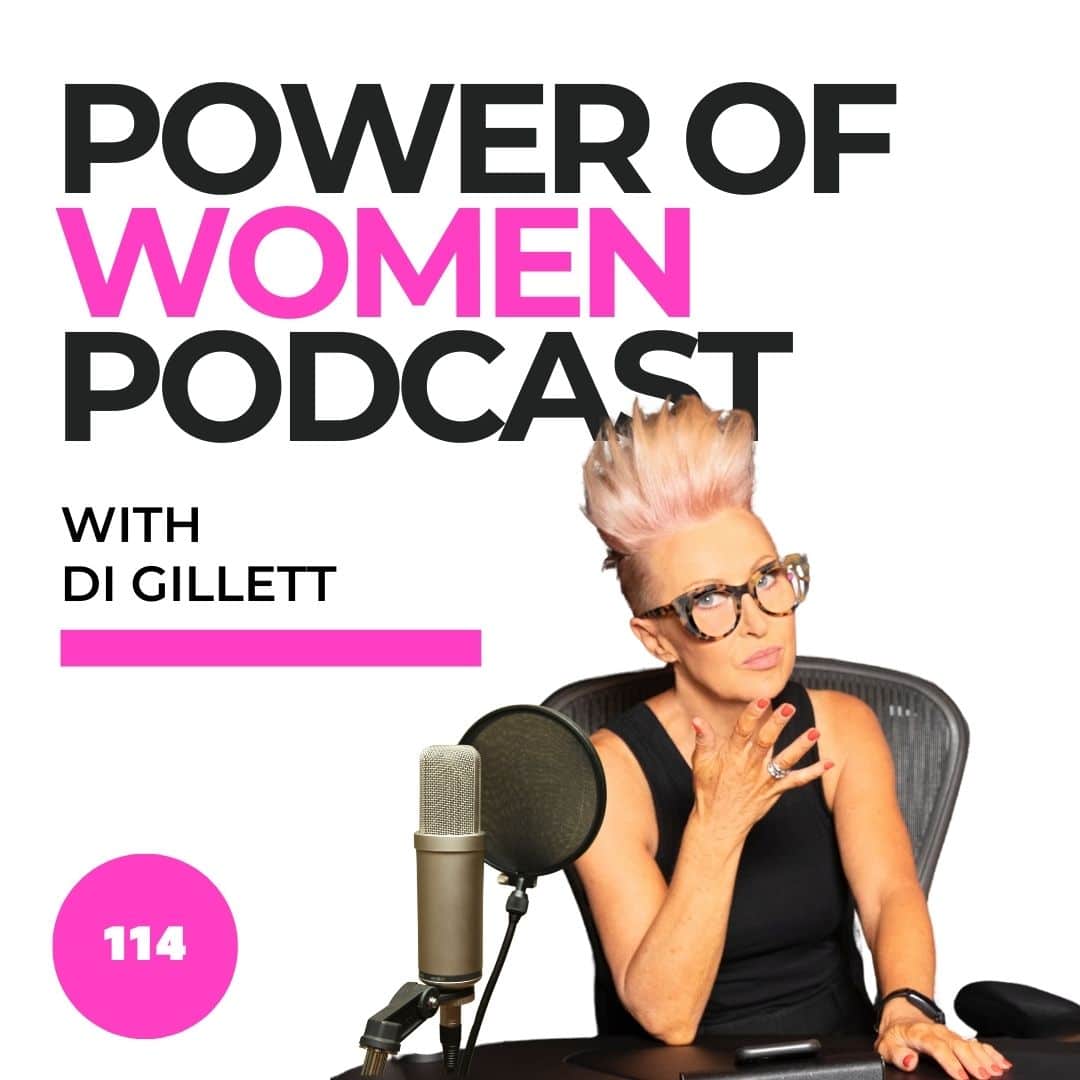
Chapters:
00:00 Introduction
00:38 Tess’s Reflection on Power and Self-Trust
02:23 Personal Story: From Ski Accident to Medical Crisis
04:21 The Emotional Impact of Trauma and Recovery
05:09 The Moment of Realization and Acceptance
07:24 The Role of Identity in Healing
09:50 Medical Journey and Surprising Diagnoses
12:22 The Power of Support and Connection
16:28 Rehabilitation and Rebuilding Life
20:17 The Shift from Self-criticism to Self-love
24:27 Finding Purpose in Adversity
28:10 Moving from Breakdown to Rebuild
43:55 Practical Tools for Mental Fitness
50:48 Managing Emotions and Breathing Techniques
54:43 Redefining Strength and Success
58:47 Resources and Support for Healing
Connect with Di:
Follow Power Of Women on LinkedIn
The Power Of Women Podcast Instagram
Find Tess at:
Website http://awakeacademy.com.au/
Seven Day Self-Care Program https://awakeacademy.com/self-care
LinkedIn https://www.linkedin.com/in/tess-brouwer-7128aa54/
Instagram https://www.instagram.com/tesscbrouwer/?hl=en
This is the home of unapologetic conversations and powerful stories of reinvention. New episodes drop every Monday to fuel your week with insights on leadership, resilience, and success. Subscribe and join a community of women who are changing the game.
Want more fearless, real, unfiltered stories?
💫 Subscribe to the Power Of Women Podcast on YouTube, Spotify, or Apple Podcasts
Your ⭐⭐⭐⭐⭐star review on Apple Podcasts or Spotify keeps these stories alive.
📩 Sign up for our newsletter where I share raw reflections and thought leadership on the Power Of Reinvention.
Disclaimer: https://powerofwomen.com.au/podcast-disclaimer/