Select Page
Are We Going Backwards? The Impact of Algorithms and Government Inaction

Are We Going Backwards? The Impact of Algorithms and Government Inaction

The question isn’t comfortable, but it does need to be asked.

Mainstream culture keeps insisting that women have never had it so good. The boardroom diversity reports are framed as wins. The International Women’s Day cupcakes are distributed with enthusiasm. And yet something doesn’t add up. The data on regression in gender equality is mounting. The algorithmic pipeline from mainstream social media to radicalised misogyny is documented. And governments around the world, despite the evidence, have chosen to look the other way.

To put that into context, think about learning framework for AI and what historical narratives are being ingested.

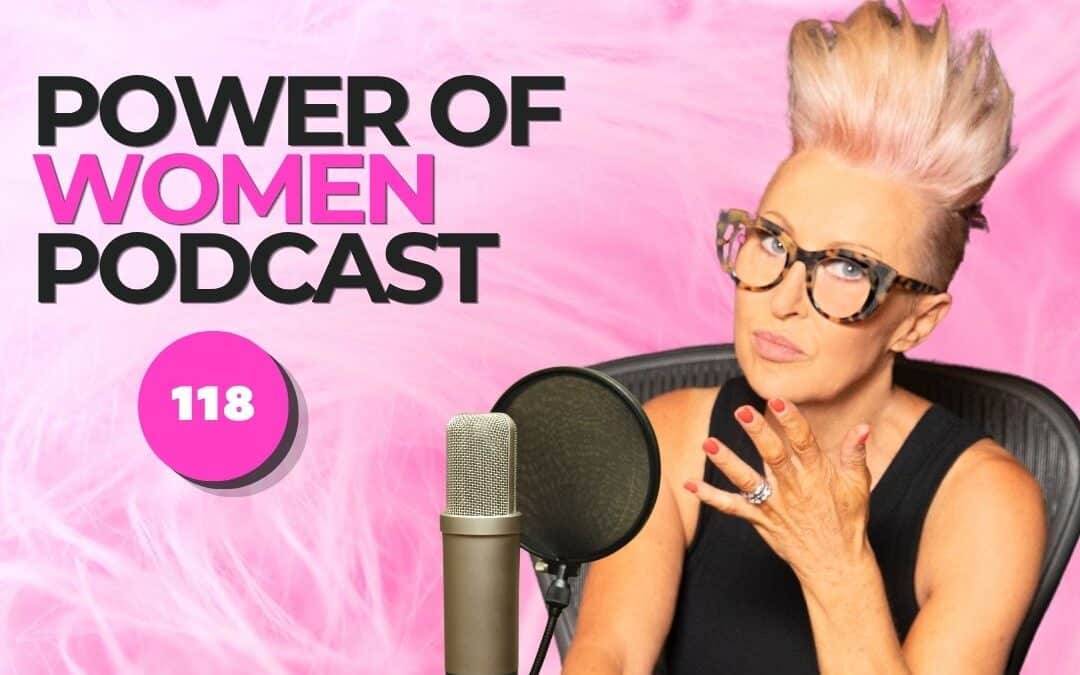
In this episode, Di Gillett is joined by Jasmin Bedir, CEO of advertising agency, Innocean Australia and founder Fck The Cupcakes (FTC) and her candour is both refreshing and at times, confronting. They interrogate whether women are genuinely going backwards, who is manufacturing the backlash, and what role technology – specifically AI and social media algorithms is playing in cementing discrimination that was supposed to be dismantled. They name the non-negotiables: what governments must mandate, what platforms must be held accountable for, and what women can collectively do right now to force the conversation out of the think-piece and into legislation.


➡️We explore:

💫AI algorithms are not neutral — they reflect and amplify the biases embedded in the data and the teams that built them

💫The absence of government regulation on social media and AI is not a failure — it is a deliberate choice, and women need to make that choice politically costly

💫Performative corporate activism actively distracts from the structural change that is needed

💫The manosphere is not a fringe phenomenon — it is algorithmically amplified, and platforms profit from it

💫Collective action by women does not mean waiting for an invitation to the table — it means building a different table entirely

📖 Read the full transcript of this conversation here.


FULL TRANSCRIPT:

DI GILLETT [Host] (00:02)

Jas power of women, who do you think of when I say that?


JAS BEDIR [Guest] (00:06)

Recently I’ve been following totally different women to those that I’ve been following in the past and these days I gravitate towards a lot of different generations. So either I would think of someone young like a Chanel Contos who’s pretty much, know, I would say, I don’t know, is this fourth wave feminism now that we’re in? Who’s just…


really championing so many things for think millennials and even ⁓ younger women. But also I would think of, there’s this incredible Instagram account called Glorious Broads that always celebrates women in their 60s, 70s and 80s and their stories. And I follow all of these ladies along and it just always makes my cup so full of stories that they have to tell.


I would say for me it’s not so much necessarily an individual, it’s the variety of women across different age groups that inspire me so much because it tells us the story of how we’re evolving and actually getting better potentially even with age which is something that I think is really…


DI GILLETT [Host] (01:33)

Yeah, to be celebrated.


JAS BEDIR [Guest] (01:35)

I was about to swear because I’m so sorry. was like, that’s great. So it’s just really fucking cool if you ask me.


DI GILLETT [Host] (01:38)

All right.


Yeah, fantastic.


and we’re a storytelling platform that showcases and celebrates the strength, resilience and achievements of women from all walks of life. And there’s a question that keeps surfacing in boardrooms, in policy debates, in the comment section on posts that makes women look at each other and say, did that just happen?


The question’s not complicated, but the answer could make you uncomfortable because really the question is, are we going backwards? And joining me today from Sydney to interrogate this is the CEO of Inosian Australia, Jas Bedir. Jas is renowned for delivering fearless campaign work, but more than that, fearless opinions on media, marketing, and its impact on popular culture. JAS BEDIR


Welcome to the POWER of WOMEN PODCAST


JAS BEDIR [Guest] (02:52)

Thanks for having me, Di


DI GILLETT [Host] (02:54)

Jas, forgetting titles just for a moment, if someone hadn’t Googled you and doesn’t know who you are, what do you say? What’s the elevator pitch?


JAS BEDIR [Guest] (03:07)

Hmm. It’s complicated. I think I’m a very left ⁓ leaning, ⁓ socialist feminist woman that is too good at capitalism. So I’ve got this dichotomy of me being wanting all of the good things for all the people in the world and wanting to.


⁓ fight for equality, but at the same time being quite instrumental in a hyper capitalist world where I run an advertising and media agency. So, you know, that brings up lots of complicated feelings.


DI GILLETT [Host] (03:53)

I’m sure it does. But you know, I think that that plays out for so many of us that there would be many who would align themselves with those sentiments. But I appreciate the candidness of that Jas. So let’s start to interrogate just how far women have come or in fact whether we’ve gone backwards. Because as you’ve said, you’ve got this complicated world of


advertising and media, gender advocacy, and we can’t forget AI. Does that give you an advantage in the fight or in fact, does it make you complicit?


JAS BEDIR [Guest] (04:36)

I think we’re all complicit because at the end of the day, we’re all consumers. ⁓ But I think I’m using the immense privilege that I’ve got and the power that I’ve got to actually extend the letter down sideways and I hold, or I’m trying to hold our industry accountable for most of the things that we are doing. ⁓ At the end of the day, there’s lots of people.


just trying to earn a salary. There’s nothing wrong with that. There’s nothing wrong with profit. ⁓ I always have a problem with things when they become so greedy and so exaggerated. You know, the whole conversation around do we need billionaires? You know, ⁓ you know, education, ⁓ health and everything else for the average person is suffering.


Just feels a bit off, you know, I’ve got, I’ve got some strong feelings around that, but yeah, look, ⁓ I think it’s better that I run a business like this over other people, because, you know, I can make sure that we’re doing the right thing. And ⁓ I believe that it’s my responsibility to bring us forward in, my industry when it comes to creating popular narratives for men and women, what kind of, you know, what kind of world we want to live in.


making sure that we’re educating our clients accordingly. think, I think there’s some good in everything that we can do basically. So it doesn’t have to be all bad, but when it comes to answering your question around if we’ve made progress, if you would have asked me two years ago, I would have said yes. And if you asked me today, I think we’ve just gone back 20 years.


in the last 18 months and it’s very notable and it’s very scary.


DI GILLETT [Host] (06:36)

What’s the main reason do you think for that regression?


JAS BEDIR [Guest] (06:44)

This sounds really kind of almost oversimplified and it’s, it is more complex than my answer is going to be, but it’s a political change from the U S ⁓ it’s basically the, the, the right wing conservatism that ⁓ got Donald Trump into power that then led into


⁓ I mean, it’s probably been coming since for about 10 years now, a dog whistle, it opened the gauge, a dog whistle ⁓ to ultra conservative views and basically just combined with hyper capitalist attitudes just got us there very, very quickly so that


people feel emboldened to say things out loud that they wouldn’t have said out loud. And you can see now seeping it. You can see it seeping into every aspect of culture.


DI GILLETT [Host] (07:51)

Yeah, yeah. So mainstream culture would tell us that women have never had it so good. Is that in fact true?


JAS BEDIR [Guest] (08:03)

I think multiple things can be true at once in terms of it depends on what, in what context did we have it good, like what, so because we can now have an education, open bank accounts and work, you could also do the, hold a mirror to that and say, women are doing everything now, you know, like we’re doing everything now. And if you


If you speak to some women in particular, know, like Gen X’s, cetera, they are, they’re like, well, you know, I’m, done. I’m done with doing everything, including all of the labor, because basically we were told, you know, that would be a great thing that we could be working, et cetera, which is amazing. But then no one else stepped in and actually partnered with us to lessen the load at home and everywhere else. So what is good? You know, what, what, what we’ve never had it so good.


Yeah, sure, there’s been progress in lots of things, but ⁓ violence against women is at an all-time high. I mean, yesterday I opened my browser and did you read that CNN report, that investigation with the 62 million men that hit that rape academy website in one month?


So this happened, I think, in March already. they found, and CNN undercover investigation found this rape network, so similar to the Giselle Pellico thing, you know. ⁓ But so basically it’s a forum where men online are debating how to drug their wives, their girlfriends, etc., and then film them ⁓ while they are basically ⁓ drugged out, unconscious. ⁓


and sharing their content online, debating how to do it, how to, how to invite other men in, et cetera. So they found this network and then it turns out 62 million men in one month.


DI GILLETT [Host] (10:06)

52 million.


JAS BEDIR [Guest] (10:09)

So in many ways, women, the sentence like women have had it never better is, okay, we can have independence in terms of having bank accounts, we could work, we can decide if you want to get a divorce, we can in many ways kind of be in control of our destiny, but are we safer?


Yeah, I don’t think so. This stuff has just gone more insidious. It’s now exacerbated by tech.


DI GILLETT [Host] (10:45)

Has it replaced what Playboy and the like used to do and it’s filled that gap or?


JAS BEDIR [Guest] (10:53)

There’s no gap because if you look at the rise of porn, if you look at the rise of porn, you know, ⁓ so this tells you, know, the, the, when they introduced the age verification for porn a couple of weeks ago. ⁓ so all of a sudden you cannot, you cannot get onto you. You have to register. You have to disclose your details. All of sudden the downloads of VPNs through the roof.


DI GILLETT [Host] (11:20)

When


JAS BEDIR [Guest] (11:22)

highest amount of downloads ahead of any AI tool that you could possibly see. and we know that porn consumption is a majority male. So I don’t think there is, this stuff has just always been there. It’s the narrative of, ⁓ it’s just a few men.


DI GILLETT [Host] (11:45)

It’s not.


JAS BEDIR [Guest] (11:46)

It’s not just a few men. It’s not just a few men.


DI GILLETT [Host] (11:51)

This isn’t just satisfying a reasonably voracious sexual appetite. This is depraved.


JAS BEDIR [Guest] (12:02)

Yeah, it’s not just a probe, but I think there was another survey this month where I think it’s an Australian one, we must find it, where they asked and rephrased in a questionnaire and Australian men around their attitudes towards ⁓ sex with young women. And I think it was actually underage, so kids basically, basically paedophilia. And it turns out that one in three men would then in the questionnaire admit to


having no issue with that.


DI GILLETT [Host] (12:37)

Okay.


JAS BEDIR [Guest] (12:39)

Yeah, we might need to trigger warning.


DI GILLETT [Host] (12:41)

We


might need a trigger warning and back to that question, have we gone backwards according to the two examples you’ve just played out? There’s no progress there.


JAS BEDIR [Guest] (12:52)

There’s no, there’s no progress. I think the progress was, ⁓ it was rights in terms of, yeah, we got rights, but with that, also got all of the accountability. Do you know what mean? Like it’s, it was very much like, well, you want it to work if you’re then still not happy because you know, you have to do everything at home as well at the same time. You know, that’s where the tread wife movement comes in and goes, maybe we didn’t need a job.


DI GILLETT [Host] (12:56)

rights.


See you.


Yeah.


And you said it before, Jas, because you said we got the rights but we didn’t get a partnership. And that’s the big piece that’s missing. And I keep talking about the need to level the playing field and leveling the playing field and partnership go hand in hand. But there’s a real imbalance there.


JAS BEDIR [Guest] (13:28)

No, we did not.


There’s a real about so partnership for me is also so if we don’t get more men in the workplace demanding paternity leave and understanding that nurturing and caring for kids is something that adds to their life and they are not willing to fight for it. Yeah. Nothing will change for us. Right. So you know, it’s it’s if you don’t get the men on the journey and if you don’t get good men, this always just just makes me makes me so angry. The good men.


that define themselves as the ones that are saying, it’s not all men. You know, I’m not raping anyone. I’m not doing anything horrendous. I’m always like, but you’re not doing anything. You’re not doing anything. I’m not outraged. I don’t hear anyone outraged about what I just told you. You know, where are you? Why are you not on the streets with pitchforks? Why are you not demanding this change? So if you’re not doing anything, you’re not a good guy. You’re just a guy.


You are literally enabling the patriarchy and you’re very happy with the status quo as it is because nothing is wrong for you because you don’t care. That’s it. That’s literally it. And when you look at it that way, it’s not good.


DI GILLETT [Host] (14:56)

No, no, it’s not. It’s not because it’s, it’s, it’s like complaining about anything, but not being prepared to step forward and do do something about it. But again, it’s not a partnership because it’s the women calling out these horrendous scenarios. And to your point, men who aren’t complicit standing by and still letting it happen.


JAS BEDIR [Guest] (15:18)

Yeah, ⁓ they’re letting it happen. And then if you look at the dismantling of abortion rights and how we’re going, I mean.


DI GILLETT [Host] (15:29)

Yeah.


JAS BEDIR [Guest] (15:31)

And you can see it, you can, you can see it everywhere. All of the women that I talk to, all of my kind of feminists, I got, they’ve all gone quiet and they’ve gone quiet because we are also in an economic contraction. women are the first ones to be managed out, you know, your maternity leave, all of a sudden your job gets made redundant or there’s other reasons. So it’s like boys protecting the jobs for the boys. The women are the first ones to go. Everyone knows this and also all of a sudden it’s no longer palatable.


It’s no longer, it was du jour and it was somewhat being seen as progressive to ⁓ have women in leadership positions and do all sorts of investment in that. That’s now gone because we have the tech bros, like the Zuckerbergs of the world saying that we need more masculinity in boardrooms and all of this bullshit basically.


everyone just says, okay, this is what it is now. So D and I is done. You know, it’s done. So we’re no longer investing in that. and also, look, we’re too wide women talking about this, right? Let’s just be real. This also, I mean, for us, being white, I’m not really that wide, though, but


DI GILLETT [Host] (16:46)

Well, you’ve got more cultural diversity in your lineage than I do.


JAS BEDIR [Guest] (16:50)

But still, you know, like basically, I’m cosplaying as white anyway, right? You know, because I’m half German, half Turkish. went with the, I’m German because it’s more palatable and cute in this country than, know, and so efficient apparently. But I digress. You know, it’s, but it was basically a, we’re done with D and I. So imagine being a woman of color in particular, when you’re looking at the U.S. what’s happening there.


In particular where they are like literally taking night to debating birth rights and everything else, then abortion rights, then being dismantled from basically systemically removed, women’s achievements removed from websites.


DI GILLETT [Host] (17:39)

Well, cancer coaches alive and well.


JAS BEDIR [Guest] (17:43)

And then again, you know, it just makes me laugh. I mean, it’s sad, but you know, we’re looking at Epstein, the person that’s in prison is a woman.


DI GILLETT [Host] (17:52)

Yes. mean, yeah. Yeah. And we’ve, and we’ve, and we’ve got complicit men already named and called out still doing what they do. I mean, the irony, the irony in that I haven’t actually thought of it like that before of, all of, all of the shit that’s gone down and the person in prison is female.


JAS BEDIR [Guest] (18:05)

Nothing.


Yeah, it always is. It’s like you find this all the time. find there were situations in Australia where you had like a female news channel host who had a little bit of a scandal happening, do anything illegal. She got fired immediately. But meanwhile, you have like the likes of Ben Cousins, know, convicted domestic violence offender who was given a TV gig, you know, you’re like, you know, but hey, you guys are


Yeah, I mean, what do I say?


DI GILLETT [Host] (18:50)

Yeah.


So if we consider there is potentially a backlash for the idea that the progress women have made could trigger a counter movement, are we at that inflection point, are we triggering a counter movement because our progress is not readily accepted by the other sex?


JAS BEDIR [Guest] (19:15)

Yeah, I think it’s, but this is also largely now driven by tech and economic.


DI GILLETT [Host] (19:22)

That’s the core culprit.


JAS BEDIR [Guest] (19:23)

Yeah,


  1. it’s it’s I don’t necessarily tech in itself is great. It’s tech. It’s the lack of regulation of


DI GILLETT [Host] (19:32)

Yeah,


which we’ll talk about further.


JAS BEDIR [Guest] (19:35)

And together then with it’s basically the worst human attitudes exacerbated by algorithms and technology and exploited for capsule gains. is.


DI GILLETT [Host] (19:50)

So we


are at an inflection point where we have the potential to go way backwards if we’re not regulating that again. We’ll get into that shortly. But this is the moment where we’ve all got to act.


JAS BEDIR [Guest] (20:03)

⁓ but a hundred percent, this is the moment that we all got to act. And this is the difficult bit because, you know, also in times where people have mortgage stress, all sorts of cost of living worries. everyone’s got so many problems. The focus is diverted and we’re all addicted now to, ⁓ to our phones and to that quick dopamine release. And you have to be really, really strong.


DI GILLETT [Host] (20:17)

Heard it elsewhere.


JAS BEDIR [Guest] (20:30)

and resilient to practice restraint. You really have to be courageous and have conviction to do something and speak up about it because that could be potentially be risky, you know, so it would be amazing. What we really need is female billionaires that are progressive and want to do good.


DI GILLETT [Host] (20:33)

Yeah.


JAS BEDIR [Guest] (20:59)

and use their money and power to dismantle these hyper capitalist patriarchal structures.


DI GILLETT [Host] (21:12)

Yeah, and we need female tech fems because we’ve only got tech bros.


JAS BEDIR [Guest] (21:18)

The funding for tech startups, for female tech startups has gone backwards year on year, every year. I think we’re now looking at something ridiculous like 2 % now. It’s going backwards. It’s not going forwards. Because we must all be so terrible, right? We must be so terrible what we’re doing in all of our jobs as women, you know, that we can’t get funding. And they can’t, you know, the bias is outrageous.


DI GILLETT [Host] (21:33)

Yeah, I’ve spoken


Yeah, well I was speaking the other week with Jane Smarovna Ková who founded WELTERY 10 years ago, 10 years ago almost to the day. And no funding available ⁓ for females, had to go to low. Now 10 years on, doing well, reaching millions of users, but it’s a classic example of a female tech-led platform that couldn’t get funding.


JAS BEDIR [Guest] (22:14)

It’s awful.


DI GILLETT [Host] (22:15)

Yep, that’s ridiculous. Well coming up, we’re going to name What’s Driving Discrimination.


If you’re loving the Power of Women podcasts, be sure to jump onto our YouTube channel and hit that subscribe button to ensure you never miss an episode.


So I’m talking with Jas Bedir CEO of Innocean in Australia and founder of Fck the Cupcakes. So Jas, we’re going to talk about the continuum of progress that women are on. Where are we on that continuum of progress?


JAS BEDIR [Guest] (22:58)

⁓ Di you got me on a bad day today. know, could say I was like…


I don’t know, like, you know, it’s it.


DI GILLETT [Host] (23:11)

We keep going up and down. It’s not static. Like anything, it’s not a straight line, but it’s certainly not statically going forward.


JAS BEDIR [Guest] (23:20)

Right now we’re going backwards real quick. That being said, I get my energy from rage. It’s probably, it tells you everything about my childhood trauma. ⁓ it’s probably not a healthy way of, I, I start writing and doing activism when I’m angry, when I’m like, something needs to change, something needs to happen. This is not right kind of place, right? Obviously it would be much more wholesome if it came from a place of positivity.


but at the moment we are regressing really quickly. That being said, if we all band together on this, we might be able to turn this around again.


DI GILLETT [Host] (24:10)

Yeah. Yeah. That’s the reality. So, so let’s talk about the intersection of, of technology and, and gender. we touched on it earlier. but this is where I really want to sort of peel it open a bit further. Do AI algorithms actively discriminate against women?


JAS BEDIR [Guest] (24:34)

⁓ Yes and no. So it’s more complicated than that. So even before AI or any of the AI palaver that we had over the last couple of years in chat, GPT, et cetera, algorithms are one problem. And when you then overlay algorithms with AI and all of the biases that AI has pretty much ingested,


It gets worse. So the majority of biases are coming from proxy bias. So the data that the large language models have ingested are going back decades and decades and decades. So, you know, the idea of what a successful person looks like from the 1950s to the 1960s, then kind of biases it because there’s not enough data of the current status quo in the sheer scale.


that would kind of level the playing field for us. So therefore we had this whole, there’s this LinkedIn algorithm problem where LinkedIn came out and said, no, there is no bias against women. I’m currently a man on LinkedIn. I’ve had to change my gender so you can’t see it in the back. Yeah, I’ve got no reach anymore. And when I’m talking about diversity and inclusion, that would immediately get down weighted. That’s a topic that is not popular or that they believe


Is not popular and their algorithm gets down weighted. So when I talk about business, gets a lot of attention. If I’m talking about business as a man, I immediately get like.


DI GILLETT [Host] (26:11)

And


if you write in range, you buggered.


JAS BEDIR [Guest] (26:14)

Yes.


So that’s the thing, but that’s not because the algorithm itself is not discriminating. It is the data that has gone into the training of it. So the proxy bias around what a successful individual looks like, which is therefore, I mean, it biases therefore against women, but it will also be people of color, et cetera. So all of the isms that you could possibly imagine would be in that data.


and will be now being used against us.


DI GILLETT [Host] (26:46)

So how do we correct that? I mean that in itself suggests that we’re going to regress further because it’s delving back into history that we’ve had to re-validate and approve. how do we take that sexism out of what it’s ingesting?


JAS BEDIR [Guest] (27:07)

So there is a couple of really, ⁓ first of all, ethical AI ⁓ is probably the usage of ethical AI is probably a good starting point, know, you only need to look at, know.


DI GILLETT [Host] (27:20)

Can you one versus the other platform to start with for that? You can.


JAS BEDIR [Guest] (27:24)

You know, if you look at the Amodase and how they’re running Anthropic, that’s probably a very different kind of approach to Sam Oldman who literally wants to end the world. Correct. So that’s, that’s one way, but also with ⁓ women using AI themselves and training large language models and making sure that the right data gets ingested. That’s what we will need.


DI GILLETT [Host] (27:35)

I which one I’m not using.


JAS BEDIR [Guest] (27:54)

Yeah.


DI GILLETT [Host] (27:55)

God, we’ve got a lot of writing to do. ⁓


JAS BEDIR [Guest] (27:58)

We’ve got lot


of writing creation, et cetera, to do. there we need regulation. We need the disclosure. We need governments to regulate the disclosure of what is in the tech and what it’s doing and actively forcing organizations to do something about it and adjust things. Right. So, but I think the, the, so that’s the whole AI thing. If you talk about algorithms, algorithms in it,


in themselves are also as a problem, right? It’s this whole, people don’t actually understand the entire media supply chain, which is for me, it’s quite interesting, because that’s what I every day, right? So we buy media, we create messages and media. If you look at social media, used to be social media. ⁓ And that was great, you know, find your friends around the world when it all started. and then it became


so commercial and it was all about selling more things to more people and reaching them. And algorithms were supposed to be a way to work for you. So you would get a curated feed based on your interests. But it’s now gone to a point where it’s about exploiting all of your vulnerabilities and selling to you no matter what.


So if you are worried about your looks, there will be a sea of beauty solutions coming your way, which are mostly unhinged, which you could not do in a broadcast environment. could never put ads like that on TV or sell products like that. But on the internet, it’s entirely possible. you’re to teenage…


DI GILLETT [Host] (29:41)

11


year olds putting retinol on their skin. Correct.


JAS BEDIR [Guest] (29:45)

We


have got nine year olds beauty regimes, right? We have lonely men that haven’t had great role models in their life that are being sold the manosphere as a, know, it’s all products with credit cards. You know, it’s all selling. If you, I don’t know, you developed, you have a new hobby. I mean, I’ve got 75 different variations of golf shoes coming at me at the moment, you know, and so


So that’s happening. And then the algorithm does something else as well. It just basically just you click on the one thing. So it’s all it’s all basically about commercialization. But then it keeps feeding you the same stuff. Right. So you click on one donkey, all of a sudden, I’ve got donkeys everywhere. So, ⁓ you know, if you look at what my feet would look like, you can’t you would think like, this is a schizophrenic version, ⁓ a person but


DI GILLETT [Host] (30:40)

He used to golf shoes, yes.


JAS BEDIR [Guest] (30:42)

Donkeys to golf shoes and feminist content, right? So if I wasn’t actively, actively seeking other opinions, I would just be surrounded in my feminist echo chamber. imagine this being the menosphere or imagine this. Because this stuff is mimetic, right? After a while, I’m thinking I need a donkey and I need golf shoes and I am going deeper into my echo chambers.


DI GILLETT [Host] (30:56)

That’s where it


JAS BEDIR [Guest] (31:08)

So it actually is the opposite of social. brings us further apart. That whole ecosystem is funded by brands. So because all of that.


DI GILLETT [Host] (31:20)

to the culprits because that’s what I was going to ask who are the who are the major culprits


JAS BEDIR [Guest] (31:25)

So that it’s a structural it’s it’s it’s it’s it’s hyper capitalist right but because social media took away from news media legacy news media so from the broadcast is from the TV’s from the TV shows etc. So if the audience no longer watches TV brands need to find a different way to sell right so everyone gravitated towards social media then also the little I don’t know let’s say smaller brands.


had a success or had the opportunity to grow through social because you didn’t need the large budgets that you had as a massive FMCG ⁓ company to sell your stuff. But it’s also completely unregulated. Like no rules around what you can say, et cetera. But that’s then where the money went. So that all of a sudden big brands went, okay, I also need to now be in social media. So funneling more money into that to get eyeballs. Then big tech companies closed it all off and said, this is a walled garden.


We’re not telling you what we’re doing here, but you need to give us all of your money to reach your consumers, your own consumers to reach them. We are raising year on year the price. Just like, because they can, because they have massive amounts of audiences. So brands all of a sudden became kind of, help are being held hostage by the big tech companies. It’s actually, it’s the Google submitters, the everyone, the TikToks, the


What have you not the Amazons and now in the future also the AI platforms because they’re now going to be introducing ads and make, you know, so you’re like, all of a sudden brands have to feel like they have to pull more money into this because they can’t reach their own customers anywhere else. by funneling more and more into it, news media gets eroded even further. Independent journalism gets eroded.


DI GILLETT [Host] (33:17)

try selling a TV in 10 years time.


JAS BEDIR [Guest] (33:21)


it’s just a screen where you consume everything and now you’ve got the glasses and everything else. That’s weird. We all collectively have let that happen because the government didn’t regulate it. Didn’t put on the same rules that we have. We have ad standards for us to make an ad and get it onto TV is actually really difficult. You know, you’ve got to make sure that you are in the right age slot. So you’re not doing, saying anything harmful to children.


DI GILLETT [Host] (33:27)

But yeah.


because we’ve


JAS BEDIR [Guest] (33:49)

You gotta make sure that you’re not depicting anything dangerous, cetera. You can put anything on social media or non-digital, you know, like.


DI GILLETT [Host] (33:57)

I know if I look to do Google advertising on YouTube, the only thing it regulates is politics. Everything else is open slather.


JAS BEDIR [Guest] (34:08)

The algorithm goes where it’s a rage-baity and optimized for engagement. So it favors, it wants to keep you on platform at all costs. And you know that sometimes you’re like, how did I just look 20 for 23 minutes at donkeys and golf shoes?


DI GILLETT [Host] (34:26)

Well, it’s like, why do I shop via Instagram at 11pm at night?


JAS BEDIR [Guest] (34:31)

Did I really need this dress or this swimsuit or whatever it may be, right? So that is exploiting our human behavior and selling is all of our vulnerabilities, but it also does it with the most outrageous content and it’s short click-baity kind of stuff and it’s designed for that. Hence TV shows are now following the same thing because people, that clearly works. So everyone’s now mimicking this


kind of outrageous behavior. So we are just creating, this is getting worse and worse and worse.


DI GILLETT [Host] (35:06)

You can buy an ad space for $550 to do it. Yeah.


JAS BEDIR [Guest] (35:10)

Yeah,


that’s the problem. So the problem is complex. It’s the entire supply chain of media advertising, marketing and brands. It is much bigger than that. It’s the entire construct. But ⁓ if we had regulation and the government would say, okay, we’re asking the tech companies to disclose their algorithms and make it, ⁓ make it not the default. So basically you would need to opt in.


And you can toggle in and out of it if you want to, because maybe sometimes you want donkeys and golf shoes and just coming at you like on this sushi train of stuff coming at you. If that’s what you want, sure. But there needs to be a version also where this is switched off. So we’re leveling the playing field and making sure that we’re protecting people from this avalanche of stuff.


DI GILLETT [Host] (36:04)

So coming back to the question of how do you describe yourself and you said it’s complicated, there’s why. mean, God forbid, it’s complicated, but at least you’re inside an industry that is talking directly to the marketplace that you can start to be the point of change. think.


JAS BEDIR [Guest] (36:27)

I


don’t know if I, to be honest, I don’t think me little Jasmine here is not going to make a difference. My hope is that.


DI GILLETT [Host] (36:34)

but hopefully it is a lot more than just you.


JAS BEDIR [Guest] (36:36)

us band together and just no problem with tech, but get our government to put the guardrails in the same way that we were protected by seat belts, alcohol regulations and everything else and ad standards. Can we please have this for the tech platforms? You know, it’s so


DI GILLETT [Host] (36:59)

What


specifically then, if that be the case, what specifically should government be mandating right now? Can you give us a non-negotiable list that could address


JAS BEDIR [Guest] (37:09)

Disclosure


disclosure of algorithms and the option to not make it make that the default. So I’m actually to be honest, I’m not the right. I’m usually the one that is really good and saying this is a problem. And I’m the one that brings people together and create some noise. there’s these, you know, I mentioned Chanel contos earlier, she’s at the moment she did teachers consent, you know, she was she’s an activist in the consent space that led her down to doing fix our feeds.


because young boys have been targeted misogynistic content within 23 minutes on a tech lab.


DI GILLETT [Host] (37:42)

Yeah, well the menace fear tells us that.


JAS BEDIR [Guest] (37:44)

So she is doing Fix Our Feats, which is a project to demand algorithmic regulation from the government. So basically saying what I’m saying. So she’s got a specific campaign around that. There’s some really, really smart. Yes, she’s really impressive. And we need more of that. There is some laws being passed down in the EU now that also have to do with privacy regulation.


DI GILLETT [Host] (37:59)

aggressive.


JAS BEDIR [Guest] (38:12)

So there’s stuff happening around the world and there is a tipping point at the moment where, ⁓ you know, Metta was sued for ⁓ being addictive in the US, have been some court cases. So there is a moment, I think in particular with us in Australia to keep pushing. So educating yourself on what algorithms are doing to you. ⁓


would be the number one thing. And the second thing is let’s all support fix our feet because even if it’s her ankle is around misogyny, but if that gets regulated, this will have an impact on everything. All of the stuff, all of the hideousness.


DI GILLETT [Host] (38:54)

I’m going to add a link in the show notes to that Fix Our Feeds, because that’s powerful. Because if I said to you, collectively, what can women do today? Supporting that. Yep. Yep. I am taking the notes down to make that happen. That’s part of an action. Okay.


Some rapid fire questions to either keep you in the sense of rage, Jas, or try and alleviate it. I could go either way here. So government regulation of AI, real within five years or are we dreaming?


JAS BEDIR [Guest] (39:41)

think it’s real.


I think it’s real if we all ask for it.


DI GILLETT [Host] (39:48)

Yeah. Yep. And keep pushing. You said we’re at that point. Let’s keep pushing. Yep. Can you name a prominent male figure who gets this from, when I say gets this, what we’re facing as women?


JAS BEDIR [Guest] (40:06)

Yes, there’s a few in Australia that give me ⁓ some hope. I’m just not sure where they’re going to take it. There’s a couple of sort of social media figures. Will Hitchens is one. He’s a comedian. He does incredible posts. There’s Luke Bateman ⁓ who is, I mean, there’s this, I think he’s in his 30s, this guy that


reads books, likes reading books, is a former NRL player and talks a lot about masculinity, etc. ⁓ There is a few. There’s also a couple of the radio hosts. ⁓ Fitzy from Nova, he’s a good one.


DI GILLETT [Host] (40:55)

Which is incredible because they could have gone the other way. People like that could have so easily gone the other way.


JAS BEDIR [Guest] (41:00)

But is it enough? No, it’s not enough. It’s…


It’s not enough by any stretch of the imagination. There is a bit of a ground movement with ⁓ kind of younger men, men in their 30s that are now having children ⁓ that are more progressive that where I’ve got some hope. ⁓


DI GILLETT [Host] (41:26)

My last question today, you’re in a room full of 25 year old women who are just starting out. One sentence for them.


JAS BEDIR [Guest] (41:36)

You don’t have to do the things that you were told you have to do. You don’t have to get married. You don’t have to don’t fall. Say no. You can say no to all of the societal nonsense that has been ⁓ served us or served up to us as the


as a blueprint of what a woman is.


DI GILLETT [Host] (42:09)

and wrap that all back to your cultural heritage and you must be going like this half the time. And what you do. I’m not going to ask you what keeps you awake at night, Jess, because I don’t know we’ve got long enough.


JAS BEDIR [Guest] (42:23)

To be honest, you’d be surprised to hear my answer to that. I actually sleep really well. Surprisingly, all things considered, it’s like I’m at peace. I’m at peace with what I can do. you know, I do my bit.


DI GILLETT [Host] (42:30)

There you go.


Yeah, yeah, well, you’re certainly not sitting back. mean, we, we, know that. So yeah, I am pleased with that. Jas, if somebody wants to engage your services, where do they find you?


JAS BEDIR [Guest] (42:51)

That’s also true.


They find me always on LinkedIn disguised as a man.


they find me, ⁓ at an ocean on our website or also to fuck the cupcakes. So if anyone wants to hate on some baked goods, performative baked goods, ⁓ you might come and find me. We can do that together. And.


DI GILLETT [Host] (43:23)

I’ve never called somebody a performative baked good before, but I think I’m going to start.


JAS BEDIR [Guest] (43:29)

How good is that? Performative baked goods, right? Yeah. That’s where you find me.


DI GILLETT [Host] (43:35)

Brilliant, and we’ll put that in the show notes and we’re also going to our feeds into the show notes too because if this episode lit something in you, don’t go quiet and take some action. And I think exactly to your point, Jas, getting behind initiatives such as that is exactly what more of us need to do. And I mean, that’s why the power of women exists, to have these type of conversations.


to be heard, be shared and to be acted upon. So please be sure to follow the podcast. And I do think this is one of those ones where you need to share. And despite the fact that I believe I’m interviewing a woman, I might just not be according to her LinkedIn profile. So let’s see how that plays out on the algorithm and see what it does with that.


But thank you so much for joining us today, Jas. Loved the conversation. Could keep going, infinitum. Until next time.
 

Chapters:

00:00 The Power of Women: A New Era

02:19 Navigating the Complexities of Feminism

05:24 Assessing Progress: Are We Moving Forward or Backward?

10:56 The Role of Men in Gender Equality

16:46 The Intersection of Technology and Gender

20:54 AI and Its Impact on Gender Discrimination

32:22 The Call for Regulation and Action


Connect with Di:

Connect with Di on LinkedIn

Follow Power Of Women on LinkedIn

Follow Di on Instagram

The Power Of Women Podcast Instagram

Contact Di


Find Jasmin Bedir at:

Website https://www.innocean.com.au/

LinkedIn  https://www.linkedin.com/in/jasminbedir/

Instagram https://www.instagram.com/innoceanaustralia/?hl=en


Additional resources:

Chanel Contos – Fix Our Feeds https://www.teachusconsent.com/fix-our-feeds


This is the home of unapologetic conversations and powerful stories of reinvention. New episodes drop every 2nd Monday to fuel your week with insights on leadership, resilience, and success. Subscribe and join a community of women who are changing the game.

Want more fearless, unfiltered stories?

💫 Subscribe to the Power Of Women Podcast on YouTube, Spotify, or Apple Podcasts

Your ⭐⭐⭐⭐⭐star review on Apple Podcasts or Spotify keeps these stories alive.


📩 Sign up for our newsletter where I share insights and thought leadership in the Power Of Women Podcast Brief.


Disclaimer:  https://powerofwomen.com.au/podcast-disclaimer/
How To Create A Vision That Transforms Your Life

How To Create A Vision That Transforms Your Life

As former CEO of Bevilles Jewellers, Michelle Stanton led her family’s 80-year-old business through crisis and transformation, turning it into a remarkable story of reinvention and eventual sale to a global multinational.

Now, as the founder of Complete Success, she teaches others how to do the same, by aligning mindset, vision, and values to create lasting transformation.

In this episode of the Power Of Women Podcast, Michelle and Di Gillett unpack what it means to take a “quantum leap”. To move beyond the logical and step into the life you would love to live.


➡️You’ll hear:

  • Why fear is the border guard between the familiar and the new
  • How to design a vision that feels both daring and doable
  • The difference between goals and visions and how both shape momentum
  • A five-step test to ensure your vision aligns with your core values
  • Why patience with results and relentlessness with action is the secret to lasting change.


Michelle said:

“Be courageous. Don’t wait. We never know how long we have here or the difference that it could make in people’s lives… Now is the moment.”

“A vision should be expansive and it should not be based on what’s real or realistic or logical. It should be based on a whole new version of yourself in a way that you would absolutely love.”

“Fear is the border guard between the known, the familiar, and the new way of being or the new life that we would love to create.”

📖 Read the full transcript of this conversation here 👇

FULL TRANSCRIPT:

MICHELLE STANTON [Guest] (00:02)

So we want to be a little unrealistic, we’ll call it. However, there’s a caveat to that. If that feeling of ⁓ feels like there’s no possibility whatsoever, then my recommendation is just to reduce it a little bit, not give up on it, and then learn over time to expand in that believing power.


I believe that life is not linear, that a quantum leap is absolutely available for each and every one of us. And when we decide to say yes to it and we take the action steps for it and really think the right way, anything is possible for each and every one of us. I also believe and know that two people can have the same experiences in life, the same conditions or similar, and have


two very different outcomes from it. And that is by what we decide to release all of those old stories and limitations about ourselves and our willingness to adopt a new identity, a new belief system. And the two people, similar circumstances can have a wildly different trajectory. And what I know for sure is that for women, particularly in our beautiful ages,


have a ready and ripe to step into their fullest potential because they’ve got the wisdom, the experiences, the challenges that they’ve had and the combination of all of those has really primed them ready for all of us to take a quantum leap and have the impact that we would love to have and doing it in a way which feels life-giving and having the freedom of time, money and mind at the same time.


DI GILLETT [Host] (01:53)

I’m Di Gillett and welcome to the Power Of Women Podcast. And what I love about this platform is the opportunity to showcase and celebrate the strength, resilience and achievements of women from all walks of life. Because this is where the real stories are told and where we remind you to never assume. We talk resilience, reinvention and breakthroughs and the moments that don’t often make the headlines.


absolutely should. So join the conversation and please subscribe wherever you listen to your favorite podcasts and help propel the power of women community. Imagine if one simple alignment between your mindset and your vision and your values could create the kind of transformation most people spend decades chasing. Would you take that leap?


Michelle Stanton knows what it takes to reinvent at any age. As the former CEO of her family led business, Bevels Jewelers, she led the business through a crisis to a very successful global sale. And now as founder of Complete Success, Michelle teaches leaders and individuals how to align mindset, vision and values to create lasting change.


Many of us reach midlife realizing that life or the career that we’ve built isn’t the one that we imagined. With Michelle’s help today, we’re going to unpack an awareness around that and how to turn it into action. A true quantum leap of reinvention. Michelle Stanton, welcome to the Power of Women podcast.


MICHELLE STANTON [Guest] (03:40)

Thank you, Diane. Thank you for having me back.


DI GILLETT [Host] (03:44)

Michelle, could we start with reflecting on your own journey because you led bevels through crisis and you needed to in reality evolve overnight. How did that experience shape your understanding of transformation in midlife?


MICHELLE STANTON [Guest] (04:01)

I think it’s shaped everything about me now. that experience was incredibly difficult. You know, I leading a highly successful business that was 80 years old. And during that time where we were losing, you know, a lot of money, people’s jobs were at risk. It did require for me to find the courage and the determination to literally shift how I saw myself and to then


lead the business in a way that would allow it to grow. So how has it affected me today? mean, my late fifties is in a few ways. One is that I really came to discover that there is a power inside of us, each and every one of us, no matter how challenging the circumstances are, how long they’ve been like that, the stories that we’ve been telling ourselves up until that moment.


we can find within us a power that is far greater. And if we tap into that, we can transform and rewrite a whole new story going forward.


DI GILLETT [Host] (05:10)

brilliant. And I look forward to doing that in our discussion today for the listeners, because I think women often feel torn between the comfort of the familiar versus the discomfort of the unknown. And I think like all of us, change can be disarming. What’s the mental shift that helps somebody make that move from I should to I’m actually ready to take the action?


MICHELLE STANTON [Guest] (05:40)

Yes, well, I actually, you I think it’s a bit of a misnomer, the word comfort zone. Although it’s familiar, it’s actually usually pretty uncomfortable. So firstly, we’re just recognising that any change is uncomfortable because it’s not familiar. And fear is the border guard between the known, the familiar and


the new way of being or the new life that we would love to create. So it’s always, it’s not an if, it’s always a part of the journey. And so we can build a different relationship with fear and thinking about it, ⁓ it’s good news. It means that I’m wanting to cross the border of the known life into the unknown. But what actually helps someone to make that decision to go from what I like to teach is moving from interested


I would like to have that, but you know, I’m going to wait, use all of our excuses to why we’re going to prolong that to I’m committed and I’m making that decision now. And I think there’s two essential ingredients. One is a burning desire. You must feel like A, that the place that you’re at, the stuckness is uncomfortable enough to propel you to want to move.


But you also need to know where you would love to move to and what you would love to create. Because without the pulling power of what you would love to create, there is not enough like engine pull to move you from the familiar because it’s a very heavy place to be in. It’s very sticky. And so we do need the help of a really powerful vision. And the second thing is a really committed decision like


I’m doing this. this, I’m no longer waiting. And I want to be the person who’s living this life and creating all that’s inside of me to create.


DI GILLETT [Host] (07:46)

And sometimes that can be difficult because if you’re stuck in a point and you don’t know how to get out of it, what do you do if you haven’t got that bigger picture desire of where do you want to be and you’re just stuck with I can’t move?


MICHELLE STANTON [Guest] (08:05)

Well, I mean, of course, I would say engage with someone who’s an expert at helping draw that out of you, because it is hard to do it on your own. But in addition to that, I would suggest this. We are all capable of dreaming. It’s actually our innate nature to use our imagination and to its life force, always wanting for us to grow and be a better version of ourselves. And so if we can start to trust that,


and do a process where we allow ourselves to imagine ⁓ it’s three years from now. And the reason why I love three years is because it’s not too close where our limiting beliefs are going to say, well, that’s not possible. But it’s not too far out where we think, well, I who knows what I would love in 10 years. And so three years seems to be the sweet spot where we can allow. ⁓


DI GILLETT [Host] (09:00)

favorite number.


MICHELLE STANTON [Guest] (09:02)

Excellent. I’m born on the third. mine too. One of mine. And so we allow ourselves to imagine a life in four areas that I really train people and help people with. Firstly, our health and well-being and our mindset, our relationships, our vocation, which is really about our expression in the world, whether we get paid for it or not, and then our time and money freedom. And we tune into the


master tool that or one of them that I wrap this codified way of bringing about results with this beautiful question and it’s what would I love? Not what I think I can have, not what I should have, not what other people expect me to have. It’s really what.


DI GILLETT [Host] (09:51)

I- picture dreaming.


MICHELLE STANTON [Guest] (09:53)

Yes, big picture dreaming. What would I love? And we go to work with starting with what we know for sure and then adding to it. What else would you love? And giving ourselves the most precious gift of allowing ourselves to dream.


DI GILLETT [Host] (10:09)

That sounds like a good place to operate from. And as I understand it, and we’ve talked about it before, Michelle, when we’ve been together on the podcast, you’ve worked with mentors like Bob Proctor and Mary Morrissey. How much did their teachings shape the programs and the ideas and what you’re bringing to life now? And in fact, shape


how you got past your own journey.


MICHELLE STANTON [Guest] (10:41)

Well, yes, and I’ve invested, you know, over 10,000 hours of studying this work under amazing transformational leaders and thought leaders. ⁓ And to go to your first, you your second part of the question, there is no way I know this, no matter how hard I was trying, that without the awareness that they brought to me through their teachings, would have I ever have created


such an amazing result with Bevels, so 100 % for sure. It shaped everything that I am and how I believe and what I teach, but it’s the combination of their teachings and a few others that I’ve gone very, very deep with. And then I think the biggest gift has been being able to apply it. ⁓ You know, my time at Bevels was such a great teacher.


of actually not just about knowing about it, but actually the system to apply it. And it’s that combination of all of those factors that truly influences everything that I teach my clients, but also apply to my life today. Every single day, I’m still working these principles, codifying how does it actually help people move from where they are because transformation is really just transforming our current


way of thinking and being and our results into something way more expansive and beautiful. And there is a system to doing it. It’s not just by chance or random. Unfortunately, we’re not taught it at school or in workplaces or generally. And it’s really my passion to help people ⁓ understand it, but most importantly, apply it to their lives. So they too, and I’m seeing it at such incredible rates of


people transforming their lives in ways that they love, of course, and what I call accelerating, accentuating what’s already good in their lives. So they’re feeling more joy for what is fantastic, because most of us are very blessed with lots of good, and then transforming the parts that we would love to change into a life that we would love to have. And yes, it’s rapid, what’s happening for people. It’s amazing.


DI GILLETT [Host] (13:02)

And I’ve had some interesting conversations of late with executives who’ve made that transition from ⁓ on the tools within a business that they’re either working for or is actually their own to then the world of consulting and teaching others like you are doing. Where’s the satisfaction level on the Richter scale of that, of actually doing that for a business that is ⁓


part of your DNA versus now doing that and helping others where you can teach but you can’t necessarily walk them over that final line.


MICHELLE STANTON [Guest] (13:43)

It’s a great question and in fact it bevels our purpose for being, which was from me, was to inspire, build confidence and transform people’s lives through beautiful jewellery. So really actually my belief of why I love my family business and that heritage was for the very transformation that we could help take people on.


Really, this for me is just an extension of that, ⁓ and a multiplier of that, of course, because rather than doing it in, I believe beautiful jewelry can help people amazingly, but really these principles and a way of being and living and taking that action not only just transforms their lives on a permanent basis, ⁓ but it has a ripple effect to their family, to the people that they lead.


This is, you know, this was my calling. Actually, I knew this a couple of years after the restructure, you know, that Bevels came through about eight years before the sale. I actually even bought, you know, the domain name Complete Success because I knew, knew that I was going


DI GILLETT [Host] (14:57)

There you go. With


power of women, had a forward vision of where you’d end up. I love that. Yeah. So with that in mind, Michelle, for anyone who is listening and feeling a little bit stuck, they’ve either got a career plateau or the kids have left home or there’s been some significant life change, which is inevitable that things change.


What’s the starting point to create a vision that feels both exciting, yet realistic to achieve?


MICHELLE STANTON [Guest] (15:33)

Yeah, well, I think firstly that if any of those things are happening, which, as you say, is inevitable, it’s actually the exact conditions that you need to start this work. Often we can do it when things are good, but mostly it is those moments that it’s actually the right perfect timing to happen. The second that I would say is a goal.


Goals are very important and I’m a very passionate goal setting person and really teach my clients how to set them and achieve them. Goals should be realistic. Goals should be stretchy, but they should be achievable so that we can move the energy and keep having completions. However, a vision is a whole different thing. A vision should be expansive and it should not be based on what’s


real or realistic or logical. It should be based on a whole new version of yourself in a way that you would absolutely love, keeping the things that are already working but expanding on it. And so as an example, in 2019, know, the wrestle, I’ll call it, or the calling that one day I wanted to be doing this work full time was getting so strong that I knew that


needed to answer it. I wanted to answer it and I thought well if I can design a life I love I might as well make the exit of Bevels being one that I truly love and so I designed a vision for that sale and at the time in 2019 the business was only actually worth 10 % of what I wrote down as that vision. So it was completely unrealistic, it was completely, there was no evidence supporting it or facts.


And yet I believed in that vision so much. Over the next four years, every day I would be spending time, you know, being in the vision, but of course, thinking from the vision and taking, you know, a lot of action. And four years later, literally down to the T, that vision came to fruition in in 2023. And for the exact number, 10 times the unrealistic number.


Now did I tell anyone about that vision? Uh-uh, because I wasn’t going to have their doubt.


DI GILLETT [Host] (18:00)

Yeah, and what’s interesting about that is if you had set that as a goal, would that have been demotivating versus setting it as a vision being aspirational?


MICHELLE STANTON [Guest] (18:20)

Yes, well, I think that a vision, the magnetic energy, energy that is in a vision that is beyond the familiar or beyond the known is essential because it has this life force that is beyond your, you know, limiting stories and limiting ways of being. And so we are igniting this magnetic energy with it. We actually, if a vision’s not big enough, it actually doesn’t have enough pull often to get us unstuck.


DI GILLETT [Host] (18:49)

Hmm. Yeah.


MICHELLE STANTON [Guest] (18:50)

The goals along the way, and I had many, you know, were then more what I call concrete. And, you know, what were my 30 day or 90 day steps to take that? You know, when was I going to engage?


DI GILLETT [Host] (19:04)

stuff.


MICHELLE STANTON [Guest] (19:08)

So we want to be a little unrealistic, we’ll call it. However, there’s a caveat to that. If that feeling of feels like there’s no possibility whatsoever, not even a corner of your mind open to it. You only need a corner. But if you can’t even have that, then my recommendation is just to reduce it a little bit, not give up on it.


or say, well, that’s impossible, I’m not going to actually go for it. But just bring it back a little bit so that your mind and your believing power can say, there is a possibility. And then learn over time to expand in that believing power. And there are ways of which to do that, of course.


DI GILLETT [Host] (19:54)

Yeah. So what is one question you actually ask your clients to see whether their vision is actually aligned with their deeper values? Is there a ⁓ magic question to crack that open?


MICHELLE STANTON [Guest] (20:11)

Yes, and in fact, as part of our process, when people are creating their vision, I have a five step ⁓ test to ensure that the vision is not, most people actually ask the wrong question. They think, ⁓ you know, am I good enough to bring this vision to life? I actually like to phrase it as a completely different thing. Is this vision big enough and good enough for you to trade your life for? And we have a five step test.


Yes, and a five-step test in it. And the first of two, which I’ll just cover, does, when I think about this vision, if it’s all worked out, bring aliveness to me? Like, you know, am I coming to life in my energy force just even by thinking about it?


DI GILLETT [Host] (20:58)

I’m playing my own over as you’re going through this.


MICHELLE STANTON [Guest] (21:02)

So that’s the first one. And the second one is a must question. Is it so imperative? Does this vision, as it all comes to life, align with my core values? And even if you don’t know your core values, which I believe is a very important exercise for everyone to do and live by, but even if you’re thinking about, well, you know, my health, my family, my ⁓ expression in the world, how would I rank them?


in importance. Now, I’m a big believer, I’m a mother of two children. I’ve been married and, you know, am married to love of my life for 30 years. So they are, you know, my highest priorities as well as my health. But I do believe that if I was, for example, dreaming up complete success, that meant that I was on the road for 10 months of the year and doing this work in the world, but missing out on my, you know, time with my family.


that definition of how to bring it to life wouldn’t be in harmony with my values. So it’s not necessarily that bringing this work to the world would be against my values, but if I designed it in such a way that would require me to be away all the time, then it wouldn’t be. So we can get to refine it and then match it back to what’s our priorities.


DI GILLETT [Host] (22:24)

Yeah, fantastic. Well, I’m here with Michelle Stanton, former retail CEO and now life mastery consultant, and talking about how to design and manifest a life in harmony with purpose. Coming up, we’re going to explore how you can create that too. If you’re loving the Power of Women podcasts, be sure to jump onto our YouTube channel and hit that subscribe button to ensure you never…


Miss an episode.


So Michelle, before we went to a break, were talking about goals versus visions and ensuring that the goals aren’t a demotivator and the visions are that beautiful blue sky aspirational draw. How can leaders clarify what they truly value rather than what might be being imposed upon them around what they should value?


MICHELLE STANTON [Guest] (23:25)

Well, I could probably talk all day about leaders and values. It’s good and bad. Well, I’m going to say it’s really my passion point for businesses, you know, talking about leaders in business for the moment. ⁓ Because I truly believe this, that the thought that someone else can do your values for you, even your team or Google,


DI GILLETT [Host] (23:33)

True.


MICHELLE STANTON [Guest] (23:53)

I do not believe that for a moment. The values that lead a business govern the behaviors, the heart and soul of the business. And it must be inside, you know, aligned completely to the, call it the founder or the leader of the business. And if it’s not something that they are going to be willing to live from,


I live from in difficult times because I believe that they help govern the decisions that we’re making. And so when they’re in challenging times, you must lean on the visions to help guide you to take the step that’s most in alignment. And it builds the culture of the organization, the fabric, the decision making, the people that you attract. And if that’s not inside that leader, that they’re speaking to it, living from it, walking the talk of it,


Bringing it to life, then they’re just going to be mere words that sit on a piece of paper in a drawer and that company will never reach its potential.


DI GILLETT [Host] (24:58)

So with that in mind and once you have defined those values, what is the process then to bring those forward to be part of the daily lives?


MICHELLE STANTON [Guest] (25:11)

Yeah, well, I mean, read, you know, every day I read complex successors values, I read my own personal values and I did it every day at Bevels as well. So that they’re inside of me, they’re not something that’s outside. And in bringing it into an organization, it’s literally the same thing. You can never talk enough about them. So as an example,


at Bevels the way to bring it back and we had people across the country, not all in the office or anything like that. We had them, I mean our office had them everywhere on the walls.


DI GILLETT [Host] (25:51)

I’m


to ask that because so often you see them plastered but never talked about it, simply decor, but this is much deeper than that.


MICHELLE STANTON [Guest] (26:00)

much deeper. I would do a five minute, a three minute, you know, a five minute post, like a video post, podcast to my team every day. And I would be talking about, you know, a value, how we can bring it to life with our customers, how we can bring it to life within ourselves. We would celebrate each week across the organization, the team members would nominate people who have been living beyond.


you know, the values and doing something extraordinary and focusing on one value that they brought to life. And literally it was so much a part of our DNA. And of course, I brought that to complete success and the people that we’re coaching. But I’ll give you just some examples of how we did it. So one of our values was be proud. And that really actually came to existence at the restructure at the time of


where I’ll call the business was in shame and same with me for what had happened. And as we were bringing the new version of Bevels to life, I felt that that was a very essential value, that we were always going to be proud of who we are and what we did. And during those difficult times, you know, my business advisors and consultants were saying that I didn’t need to pay the suppliers back in full.


I could negotiate a lower rate to pay them back and that would be a good outcome for them. And so when I ran that down my value, you know, the values of Bevels of being proud and saw myself walking at the trade fairs, visiting those suppliers, what would be the answer to that, you know, very important question. It cost me millions of dollars, this particular answer. And I said, no, I said for me to be an integrity of my value of be proud, I want to walk.


my head up high, be super proud of what I’ve achieved. I’m paying every single dollar back even if it takes me years to do it and that’s exactly


DI GILLETT [Host] (28:02)

Lovely example. Thank you. So what’s the most common blind spot then that you see between external success and internal fulfillment in this stuff that we’ve indicated visually on screen today?


MICHELLE STANTON [Guest] (28:19)

⁓ Well, I mean, external success, which we all want to have. You know, we want to have the things and be able to have the experiences that and create the out of success that we’re wonderful to have. So it’s not an either or, but external success without internal fulfillment is empty. And I truly believe that for people, they will find themselves bumped up to difficult


circumstances, whether it be a life of regret or the family’s fallen apart or their health’s deteriorating because they believe that they can only have external success at a sacrifice for all the other parts that are meaningful in life and I do not believe that.


DI GILLETT [Host] (29:08)

That’s


very, but I bet that’s a common thought that it comes with sacrifice.


MICHELLE STANTON [Guest] (29:13)

Yes, absolutely. And it does come with sacrifice, what I call, maybe a different way of considering it. I call it, we must sacrifice the greater, the things that we would love to have and what’s important for us, for letting go of the things that are no longer serving us. can’t bring in the odd. Yes, we can’t bring in all, you know, yucky thinking and expect to have amazing results. It doesn’t work that way.


DI GILLETT [Host] (29:33)

sacrifice.


MICHELLE STANTON [Guest] (29:42)

And that’s why I called my business Complete Success, because it’s an inner journey of feeling fulfilled because you’re living life fully, you’re loving, you you’re being loving to first to yourself, but also to the people that matter most to you. And you’re leaving a lasting legacy of positive impact. And that’s in the work that you do, but it’s actually every day with way people feel in the supermarket after seeing you.


If you do that on the inside and look after those four areas of your life, your health, your mindset, your relationships, do what you love to do and do it in a way that you’re passionate about it and brings good and joy to other people. ⁓ You know, I believe that you are going to live and have that fulfillment on the inside as well as the outside.


DI GILLETT [Host] (30:31)

So not to play on the negative, but more on the realistic. you’re on a transformational journey, such as what we’re talking about and setting some really ⁓ clear and aspirational ideas to move forward. Doesn’t always move at the pace that we want. Sometimes things, you know, go forward, go back, go forward.


How do you stop that feeling of self-doubt or fear creeping back in at the momentums, not quite as you want it to be?


MICHELLE STANTON [Guest] (31:09)

I love this question, Di. And I’ve got a few different ways to talk about it. First is I like to explain the time that the gestation period, let’s call it, of the vision, you know, of the full seeing and feeling and having the vision that you’re looking for is different for everyone and different in every situation. And no different, you know, to birth a child for a human is nine months and for a, you know, a tomato tree to birth.


its tomatoes is, you know, whatever months it is. And so nature has its different gestation period and we’re not always in control of that. So we must have patience. And I describe the time that it takes a little bit like this. Some things come like an espresso, really fast. Some things are a little bit like a cup of tea that needs some brewing. So take a little bit longer.


Some things are a little bit like having, you know, that you incorporate a fresh juice as the way to start your day and you don’t really see the benefits and the changes but six months later you’re like, wow, things have really started to shift. And some things are like a fine red wine and take years to percolate and to come into form and all of them are beautiful. We wouldn’t want to have life without any of those four. And so we appreciate


that everything has its time and to be patient. I call it to be patient with the result, but be relentless with your action.


Most people are the opposite, impatient with the result and are delaying and not taking enough.


DI GILLETT [Host] (32:49)

Yeah, with the action. Yeah, I can imagine that. So when life does throw a curve ball and life does, and it might be a job loss or something far more personal and confronting, how do you turn that catalyst, or how do you turn that experience into a catalyst for change?


MICHELLE STANTON [Guest] (33:13)

So I’ll say two things here. One is that you must have a belief system that, you know, things are happening for us, even when they’re uncomfortable. And so it’s very hard to do, but it is the power shift. So when we think that life’s happening to us, then we’re a victim at it. And we’re not looking for the good and the potential that can come from this adversity.


⁓ And I believe, know, like even in the fact, you know, the bevels going into voluntary administration and all of those things, it was the greatest gift that ever happened to me, as painful as it was. And I would never want the repercussions for other people because of it. But what it’s actually given me has been the biggest gift ⁓ of life. And I believe that all challenges are there. They’re available for us to


really reveal our greatest potential ⁓ if we’re willing to go looking for it.


DI GILLETT [Host] (34:15)

Yeah. And that’s absolutely been what’s played out with so many of the incredible women that I’ve had over the course of this year and last on Power of Women. I reflect Hannah Asafiri, who had a very challenging start in life with a forced marriage at age 15 and has turned that into a life of advocacy and supporting others. And latterly, Joe Tonarski, who


⁓ had the experience within the biggest workplace or the most prominent workplace on the Hill in Canberra of being a toxic workplace that could have broken her and nearly did, but she has come back out of that after a time of recovery and reflection ⁓ to being an advocate to help others who have experienced that. And she used exactly those words, Michelle. She sees it as a gift.


not as anything to the negative.


MICHELLE STANTON [Guest] (35:15)

Yeah, but the other thing I would add to that, Di, and you know, I believe in every story is that difficult moment of when you see someone having powerful transformation. ⁓ But is that to do it alone is difficult. And you really do have that you can have that belief system, but it’s hard to hold without a support structure and a system to help you. ⁓


DI GILLETT [Host] (35:31)

Yeah.


MICHELLE STANTON [Guest] (35:44)

navigate the doubts and the fears because they’re going to be there. Those difficult moments are absolutely going to be there. So if you don’t support yourself during that time, then it’s going to be very, very, it’s not impossible, but way more difficult than it needs to


DI GILLETT [Host] (35:57)

  1. And you’re exactly right, both of those examples that I played out also talk through exactly where that support structure came from, not always from where they expected it come from, ⁓ but they did build a ⁓ considered support structure that assisted them to get beyond the issue that they were both facing at the time.


MICHELLE STANTON [Guest] (36:21)

I think it’s imperative, know, it’s just part of that hero’s journey that you do need the mentors and the structures to support you.


DI GILLETT [Host] (36:30)

Michelle, finally today, if I could ask you for every woman standing on the cusp of her next chapter, what’s the message that you’d have for her around taking that lady?


MICHELLE STANTON [Guest] (36:44)

⁓ Well, be courageous. Don’t wait. We never know, ⁓ A, how long we have here or the difference that it could make in the people’s lives, not just because of the work in the world, but even the people we love most. ⁓ know, so we never know when we’re really going to require it. And we think we have all this abundance of time, but really, you now is the moment. be in my words was be courageous. It’s so good when you are living a life that you love and expressing yourselves in the way that you know is yours to do. It truly is the best place to be.


DI GILLETT [Host] (37:29)

Michelle, thank you for reminding us that midlife isn’t a plateau. In fact, it’s a launch plan pattern and absolutely now is exactly that right time. Tell us, how does somebody find you and complete success?


MICHELLE STANTON [Guest] (37:46)

Yes, they can just go to complete success.com and very simple. And on there they can read a bit more about me. But I also have a gift for your listeners, which is. Fantastic. Yeah, if that’s OK. It’s a system that I codified and made for helping my clients, help them.


be courageous and to take the actions that they want to take and have the mindset so that when those doubts and fears are coming, are running wild, there is a practice, a proven system that really helps people move forward at a quantum leap. And so they can just download these planner and journal, it’s digital, on the website or pop up, it’s easy to do. And literally, it gives you the complete system to help you navigate life’s challenges and continue to


you know, advance confidently.


DI GILLETT [Host] (38:41)

brilliant, hence complete success. So we’ll add that into the show notes and also if you’re watching this with us on YouTube, you’ll see that run across the screen with the website. Michelle, again, thank you so much. It’s wonderful to have you back and join for a second time. know you joined. We said before we started recording today that it’s about 12 months since we last caught up and


and both of us have progressed our businesses ⁓ even more so in that time by having this big picture and self-belief of what we want to do and where we want to be. So if anybody is interested in following Michelle’s guide around that, it is a fantastic template for success.


Please be sure to follow what I’m doing on LinkedIn. I do have the newsletter Power of Reinvention where I share a little bit more about me than I do on these podcasts, because this is more about amplifying the stories of the guests that join me. You can follow the podcast on all of the Audible platforms, Apple podcasts, on Spotify. And we put a lot of time in curating it also for you who prefer to watch.


And we’ve got our own YouTube channel, the Power of Women podcast channel. So until next time, thanks for joining us.


Connect with Di:

Connect with Di on LinkedIn

Follow Power Of Women on LinkedIn

Follow Di on Instagram

The Power Of Women Podcast Instagram

Contact Di


Find Michelle at:

Website https://completesuccess.com/

LinkedIn https://www.linkedin.com/in/michelle-stanton-91a8555/


This is the home of unapologetic conversations and powerful stories of reinvention. New episodes drop every Monday to fuel your week with insights on leadership, resilience, and success. Subscribe and join a community of women who are changing the game.


Want more fearless, unfiltered stories?


✨ Subscribe to the Power Of Women Podcast on YouTube, Spotify, or Apple Podcasts

Your ⭐⭐⭐⭐⭐star review on Apple Podcasts or Spotify keeps these stories alive.


📩 Sign up for our newsletter where I share raw reflections and thought leadership on the Power Of Reinvention.


Disclaimer:  https://powerofwomen.com.au/podcast-disclaimer/
Baring All: My Alopecia Story — Losing My Hair But Not My Identity

Baring All: My Alopecia Story — Losing My Hair But Not My Identity

What happens when the very thing you’ve always been known for, your appearance, suddenly changes?

In this solo episode of the Power Of Women Podcast, I share my raw and deeply personal journey with Alopecia totalis. When all my hair fell out, leaving me bald as a badger, as the saying goes.

What began as an identity-shattering experience of losing all my hair became one of the most defining lessons in resilience I’ve ever lived through. From brutal medical treatments and moments of despair, to unexpected acts of kindness and the courage to speak out, this chapter of my life reshaped not only who I am but also how I show up in the world.

This story starts in 1999, when out of the blue, I developed Alopecia totalis. For someone who had always been known for her long blonde hair, the slow, torturous process of watching it fall out strand by strand was devastating.

Western medicine offered little compassion and even fewer solutions. I endured thousands of cortisone injections, harsh treatments, and blunt words from specialists who saw me as a case rather than a person. None of this was done with any level of compassion or support. It was the most clinical, gut-wrenching experience.

Eventually, alternative therapies, Chinese herbal medicine, and a long journey of healing led to my hair regrowth.

However, this story isn’t just about alopecia. It’s about reclaiming power, resilience, and the courage to speak out. Lessons I now carry into every episode of the Power Of Women Podcast.


In this episode, we explore:

The emotional impact of Alopecia totalis and the identity shift it forced.

Why Western medicine wasn’t the answer for me, and the path toward alternative therapies.

The lowest moment of my journey — and how I pulled myself back.

Building a wig business to create solutions for myself and others.

The random act of kindness that still stays with me.

Lessons in resilience, self-worth, and speaking out to support others.


This is some of what I said:

“I am far more than how I look. I have the resilience to pull myself back from the darkest moment of my life.”

“If you have the courage to speak out about adversity to help others, that is something I cannot stress enough as being a fabulous thing to do.”


💥 New episodes drop every Monday to power your week.

📖 Read the FULL TRANSCRIPT of this conversation here: 👉

FULL TRANSCRIPT:

Di Gillett (00:08)

Hey, I’m Di Gillett and welcome to the Power of Women Podcast. We’re a platform that showcases and celebrates the strength, resilience and experience of women from all walks of life. And today, since I launched the podcast some 18 months ago, I have put all my energy into sharing the stories of some truly incredible and amazing women.


But what I’ve realised is that I actually have a few powerful stories and lessons of my own to share that hopefully will inspire and support others. And I also want to give a shout out to Tori Archbold and thank her for the time we’ve spent together which has afforded me a bigger picture view of what’s next for Power of Women.


So the story I want to open up with today is one that I actually shared on all of my social platforms over the last couple of weeks. And that is when in 1999, out of the blue, I developed Alopecia totalis. Now I was defined by my looks. Sadly, I…


openly admit that. I had long blonde hair, lots of people would comment on it and give me positive feedback. It was my one crowning aspect of my character that I prided myself on. So what happened in 1999 and it was horrendous and it was this slow torturous experience that started


six months earlier where one day at the hairdressers they commented that I had a little bit of hair missing above my ears on both sides of my head. And that slowly became this increasing pattern of baldness that went from my ears to the top of my head over a period of six months. And it was identical


in the way it fell out on both sides of my head. So it was following this very distinct pattern. Getting in the shower each morning and looking down on the shower floor and seeing loads and loads of my prized blonde hair on the shower floor was absolutely gutting. And I can remember going to a particular


dermatologist in the CBD where I was living at the time, my first question was, am I going to lose all my hair? And he very bluntly, without any sugar coating, said, probably. And then proceeded in that particular visit to his clinic to inject up to 2,000 cortisone needles into my rapidly balding head.


was agonizing and I can remember saying to him I can hear the needles actually piercing the skin. You could hear that pop where that syringe was actually breaking through the surface of the skin and I pointed that out to this practitioner and he said I’m sorry the needles probably got blunt where we’ve hit the scalp.


None of this was done with any level of compassion or support. It was the most clinical gut-wrenching experience. And I had walked out of my office to come to this appointment. And I remember jumping on a tram to take the ride back to the office and my head was spinning. I’d just been told all of my hair was going to fall out. I’d just had this agonizing treatment that was delivered in the most brutal manner.


And the messaging from this specialist was beyond words. So then various journeys, I started to think, what am I going to do? And I kept down the Western medicine path, which saw me land at the clinic, another clinic in my hometown of probably one of Australia’s preeminent dermatologists. And that was a really short-lived relationship. And it was


One that ended in a manner which is not uncommon with me if I find something doesn’t fit with my beliefs or my ideas or my values, I speak out and I speak out in a direct and blunt manner. So I started to visit this second specialist who was also a dermatologist and in the world of hair loss there’s a whole lot of other sub-specialists that branch off, trichologists and all sorts of things.


and that had been an unsuccessful journey. So I’m at the rooms of this second dermatologist and his process was similar to the first. Inject you with cortisone and then he would apply this acidic tincture to my nail balding scalp and put you under this heat lamp for an intense period in what was for all intents and purposes a celerium.


And after the third session with this preeminent dermatologist, I said to him, I think your whole process is deeply flawed. And here’s my reasons why. You’re injecting me with cortisone, and cortisone is going to cause pits in my bones and irreparable damage. You’re putting this acidic tincture on my head and then putting me under a heat lamp, which there is no doubt over time is going to give me skin cancer.


So I’m beginning to get suspicious about, know, this is a lifelong engagement until I have no life left with these specialists because one cure causes something else. And his delivery of that was, well, if you don’t believe what I’m doing, don’t bother coming back. I won’t say on this podcast quite what my direct response with it because it is packed full of expletives, but suffice to say you could not have


me to walk back through his doors for another appointment ever again. So then I thought I don’t know what I’m going to do. By this stage I am nearly bald. Nearly bald. I’m starting to wear bandanas. I’m starting to explore what to do with wigs. And at the same time I thought I need to start to look beyond Australia for a cure because I couldn’t find anything here.


And I started to do some research and look at international marketplaces. It seemed at the time that Princess Caroline of Monaco was tackling a similar issue that she wasn’t overly public about, but I’d found a few threads. And keep in mind in 1999, the internet certainly wasn’t the resource tool that it is today and chat GPT did not exist.


So I kept looking at alternative medicine. My biggest problem with Western medicine was that the whole approach to treating this hair loss, which had been termed alopecia totalis, because I was now losing my eyelashes, my eyebrows, all of the hair on my body, which in some respects was a great thing, in other respects was just a nightmare, was that the Western medicine approach to this was to treat


the condition on the surface to treat the after the event where clearly something in my system or in my life or in my surroundings had actually caused this and Western medicine had no interest in that. So the journey went on and I went to naturopaths and all sorts of things and I had some horrendous experiences along the way.


And some of those were I was now close to bald with just a small amount of hair at the top of my head, which if I wore a bandana, allowed me to have sort of some thinning strands down the side of my bandana, which kind of didn’t necessarily announce to the world that I was completely bald. So with my corporate suits going into a CBD office every day,


I integrated a bandana into part of my look. The problem with doing that though was in going and pitching for business and I was in the recruitment and search space was that when you’re trying to pitch for business with clients that might be a particular campaign that was going to last for months and months and months, you could see it all over the client’s face that they had some reticence around engaging you.


because they actually didn’t know whether you were going to be around for that many months because the assumption of hair loss was immediately cancer. So I realised there and then that I had to actually share what I was going through openly, otherwise the commercial fallout of that was going to impact my financial future. And whilst I was in a relationship at the time,


There was no financial support from that relationship and long story short, that relationship which was loaded with coercive control was probably one of the many causal factors that actually kicked off this alopecia totalis which falls into the autoimmune family. I had to show up my financial future and I can remember some


really awful experiences. went to a client meeting one side of town on a particular windy day with my bandana on and I decided to walk back to the office which was probably, I don’t know, about five city blocks across town. Windy day, roaring north wind and halfway back heading back for another meeting at my office, my bandana flew off.


And here I am stuck in the middle of the city in a bright red suit which in its own right stood out. My bandana had blown off and I am standing there with a few bloody strands of hair blowing in the wind and I was absolutely gutted. And I remember walking past a particular shop in the city which was the tie rack which specialised in men’s ties and


and all sorts of scarves. And the woman, when I was walking past the front of the store, saw me and beckoned me to come in. And she had realized what was happening. And she offered me a bandana. And she tied it on my head, wouldn’t let me pay for it, and set me on my way back to my office. And that


a bit like an episode that I’m also releasing this week with Hannah Asafiri was my own personal experience of a random act of kindness that has stuck with me for years. So my balding journey is continuing and I am now down to literally a 20 cent piece circle of hair left on the top of my head.


which at this stage is still long. hadn’t brought myself to be able to do anything with it other than to hang on to it for dear life. And I can remember making the decision to shave that bit off with my then partner’s home shaver because he had a number one blade. And whilst it was one single sweep of the shaver to take it off, it was the…


most challenging thing to do and probably took me 20 minutes to actually take that one sweep and shave it off. Another thing that had happened before I had done that, the company that I was with required us all to go to Sydney for a promotional tour where my business was partnering with the global brand Monster.


as a promotional campaign and I remember it required us to walk around Sydney CBD literally wearing sandwich boards promoting the launch of Monster. It was September and it was blowing a gale in Sydney and I now have it embedded in my brain that September is the windiest month of the year in Australia and it was similar to that experience of losing my bandana.


between meetings previously where walking around the city literally with people looking at you because you’re walking around with this sandwich board on as a walking billboard, wearing a bandana, looking like I was on my last legs, it was probably one of the most horrendous tasks at that point in time to be asked to do.


And we also had a black tie event with the company on the final evening of our billboard walking. And I backed out of that because I just couldn’t work out how to front up to this black tie event and make a bandana work and make it work in terms of presenting me as a perfectionist as I wanted to present. So we come back to Melbourne after that Sydney visit and two days after


I’m on my way to the office. My then partner was driving me to work that morning. And I said to him, I can’t go in. I’m going to ring them and tell them I just can’t go in. And so I made a phone call into the office and spoke to my then line manager who said to me, why aren’t you coping? The bluntness of his reaction of aren’t I coping with losing my hair, going bald, can’t find a cure.


just gutted me. And I went back home. My then partner went off to work and I was home alone and I had to say I hit probably the darkest moment of my life. And I actually seriously contemplated not staying around. I seriously contemplated my own demise. And I sat with that for a few hours.


And in sitting with that for a few hours and writing down on it, not in a journal at that point in time, but on a piece of paper, I did two columns. What I couldn’t cope with and another column, what could I change? I couldn’t cope with how I looked. I couldn’t cope with how I felt. And I couldn’t cope with the fact that I couldn’t find a cure. And I also couldn’t cope


with the fact that I couldn’t find any wigs that fitted me and that was a big part of not being able to control how I looked. On the right hand side of what I could control, I could control speaking out about what I was feeling rather than hiding it. I could, if I put my skills and my network to the test,


solve or start to work on a solution for wigs, if I actually started to develop my own wigs that would fit my particularly small head, which was the issue with wigs in the marketplace at that time. And as such, I could then control how I face the world. So the right-hand column won out and


I set about starting a small wig business, not really from a commercial venture, more from my own personal use. Albeit I sold and gave away a few to other people that I started to come into contact with through what was an alopecia network within my home state. I also started to advocate for people, particularly children struggling with alopecia because I found that I had a voice


that I could speak out about it and talk publicly rather than hiding behind what was happening to me. And I found strength in that and I could share that strength with kids because kids going through an alopecia journey, be it partial or total baldness, in the schoolyard found themselves in a very difficult place. And the schoolyard, as we know, is somewhere where bullying is rife.


And for somebody with any points of difference or something that made them look strange or look odd, made them a target for bullying. So I started to do some work there. The other thing I started to do was I thought I could do more than just talk about this. I could put pen to paper and start to write a book. And my working title for the book was Bulled as a Badger. And I


did garner the interest of two publishing houses. And I started that book, but I have to say regrettably, I never finished it. And maybe that’s something in my unfinished journey again. So I’m still exploring cures. I’m now completely bald. I can’t find a cure. And a friend, in fact, the wife of a friend of mine,


coercive controlling partner suggested that rather than look internationally and do all of this exploring that I was doing, she recommended a very alternative therapist who she put a lot of trust in that was in my hometown in Melbourne. So I made an appointment and drove down to this particular clinic.


And I can never forget walking in the door. was this very rudimentary clinic, in almost a semi-industrial part of Melbourne. And it had a pale blue facade. And the place was called Inerchi and the practitioner was Doug Davies. And in those days, my attire, my work attire was corporate suits and stiletto heels.


And I remember walking into the doors to this very alternative clinic where on the right was a counter and behind that counter was just jars and jars and jars of Chinese medicinal herbs. And on the left was the waiting room and everybody in the waiting room was sitting with their shoes off that they had put on this rack just inside the door. And those shoes were primarily Birkenstocks and all varieties of flat shoes. And the only pair of Louboutin


high heels on that rack were mine. And I hadn’t met Doug at this stage and he walked out to his next appointment, which was me, and he looked at the shoe rack and he looked around and saw me sitting there in a corporate suit and said, Diane, I said yes. And that started the beginning of an incredible relationship with Doug and a two to two and a half year journey of twists and turns that


resulted in me opening my eyes, embracing very alternative therapies and meditation and yoga and a journey with Chinese herbs and custom-made tinctures that over the course of two and a half years got the most amazing result of getting my hair back. Now it wasn’t a linear journey. There were fits and starts. It would start to grow back. It would fall out.


Heartbreaking. Get back on track again, start to grow, we change the medicines. And if anybody’s done Chinese herbal medicine, when somebody asks you to boil these Chinese herbs up into a tea, you know it makes the residents that you might be sharing with anybody else absolutely unlivable because the pungent smell of the tea is unforgettable. And it also takes time. So I’d said to Doug, look,


This whole process is adding more stress into my world when stress is part of my problem. And I need a different solution. I need you to grind these herbs down and turn them into capsules that I can swallow instead of boiling the teas. And he said to me, that’ll take more time. I said, I appreciate that. That I am prepared to acknowledge, but it is the only way I can integrate this ⁓


Process that I’m going through with you into my life without it becoming another part of the problem Which big ticket was probably stress from relationships stress from work stress from being a perfectionist Poor blood flow from having broken my back in a skiing accident many years prior All of these things were an amalgam of things that had my body stiffen up that the net result was Blood flow was compromised to my head


that ultimately led to the hair loss. Now whether in fact my hair loss was an autoimmune disorder, which I actually really question, and whether it was more these causal effects that had caused stress in my body to stiffen and in fact compromise blood flow, which I actually think was more to the point. Through that time, I referred many other


Women in particular who had suffered hair loss, some who had been bald for over 20 years, I referred them to Doug and they started their own amazing journeys of recovery. And one of the proudest moments was leading into Doug Davies finally retiring some, I think probably 10 years ago now, was when they reached out and asked me to write a testimonial for a book that was being written as part of his… ⁓


retirement exit and sitting down and putting a small testimonial to paper that was reflective of this journey was probably one of the hardest things I’ve ever had to put to paper because it had all of those emotions flooding back up and that was probably the first time that I had revisited that story for about 10 years. But I do want to say what this particular journey which


covered the period of 1999 to 2004 where I was just coming into, for the first time, having a full head of short hair when I met my husband George Danekian at a best friend’s wedding. And I remember going on a walk along the beach with George as one of our first dates. And it was the first time I had walked along the waterfront not afraid


of the wind either blowing off my bandana or my wig for the first time in four years. And I can’t tell you how impactful, it’s making me emotional talking about it, how impactful that was to actually take that walk along the beach without fear of being exposed literally. So that four year journey taught me that I am in fact


more than how I look because over that four-year journey I was headhunted twice for significant roles in the recruitment and search space. I also learned that I had the resilience to pull myself back from the darkest moment of my life and identify what I had to live for. And I also identified that I had the courage to speak out publicly


about what I was experiencing as a means of helping others and that was probably one of the most important learnings of all. One of my failures though out of this was I did say at the time when I’d started to get my hair back that I would never be defined by my hair ever again. Well for those who know what I look like today and it’s now 2025


You would have to say I probably never been more defined by my hair in any other point in time in my life than I am today because it is the first statement that probably people notice about me when I walk through the door. So that’s a failure. However, what I am never fazed by is the fact that at any day when my hairdo doesn’t work, I don’t call that a bad hair day because when you have had a hair day,


bad hair day that is actually losing your hair, that changes the benchmark for what a bad hair day is. So I don’t have any bad hair days. So if I can leave you with those three lessons about what I really felt were the most impactful, I am more than I look. I am far more than what I look like. That I have the resilience to pull myself back from my darkest moments.


and I believe you do too, and that if you have the courage to speak out about adversity and things that you’ve experienced in your life to help others, to really help others get back on their journey to recovery, whatever that journey might be, that is something I cannot stress enough as being a fabulous thing to do. So.


I am going to do more episodes at the Power of Women that are solo episodes because I think I do have some stories to share, not all out of adversity, but stories to share that hopefully might inspire others in the same way as some of the incredible stories that I am privileged to share with you through the podcast interviews with the amazing women that I’m bringing to the table and giving a platform through the Power of Women podcast.


I’m going to do the same with just a few more stories like this where I speak to you one on one. I hope it resonated. I hope it’s helpful. Until next time.

Connect with Di:

Connect with Di on LinkedIn

Follow Power Of Women on LinkedIn

Follow Di on Instagram

The Power Of Women Podcast Instagram

Contact Di


Want more fearless, unfiltered stories?


✨ Subscribe to the Power Of Women Podcast on YouTube, Spotify, or Apple Podcasts

Your ⭐⭐⭐⭐⭐star review on Apple Podcasts or Spotify keeps these stories alive.


📩 Sign up for our newsletter — where I share raw reflections and thought leadership on the Power Of Reinvention.

Alison Cork MBE | How to Be Fit & Fabulous At ANY Age … Because You Can

Alison Cork MBE | How to Be Fit & Fabulous At ANY Age … Because You Can

Want to be fit & fabulous at ANY age? This episode of the Power Of Women Podcast with Alison Cork MBE clearly highlights it is irrefutable – you can be. Full of powerful insights on how women—especially those in mid-life—can transform their approach to life, health, and well-being. If you’re struggling with weight, looking for a fitness and nutrition overhaul, or simply ready to redefine your next chapter, this episode is for you!

Alison is a London-based entrepreneur, author, broadcaster, and passionate advocate for women in business. She’s the founder of Make It Your Business and National Women’s Enterprise Week, and an investor in female-led startups. Now, Alison is rewriting the script on aging with her latest book Fit & Fabulous Over 50, a blueprint for taking control of your health and vitality.

Another fabulous mid-life woman who despite already racking up innumerable accomplishments, is turbo-charging her second act. Alison shares her personal health journey, how she’s embraced nutrition and weight training, and the myths around quick fixes and refined sugar. Alongside Di, she discusses sustainable weight loss, brain health, and why women over 50 should make strength training a priority for longevity. Plus, Alison offers practical tips on your grocery spend, and the vital role of macronutrients in a balanced lifestyle.

Tune in for actionable advice and a dose of empowerment!

In this episode:

💡There is no silver bullet; it requires commitment.

💡Mindset is crucial; it’s never too late to change your life.

💡Age should not define one’s capabilities or potential.

💡Weight training is crucial for women.

💡You cannot out train a bad diet.


Connect with Di:

Connect with Di on LinkedIn

Follow Power Of Women on LinkedIn

Follow Di on Instagram

The Power Of Women Podcast Instagram

Contact Di


Find Guest Name at:

Website www.alisoncork.com

LinkedIn https://www.linkedin.com/in/alisoncorkmbe/

Instagram https://www.instagram.com/alisoncork_home/

Kerry Henwood | What To Expect In 2025 [Part 2]

Kerry Henwood | What To Expect In 2025 [Part 2]

The Year of the Wood Snake. Last week’s episode with Kerry Henwood was dynamic, so when Kerry suggested she could return for a second week to continue our discussion, of course I jumped at the opportunity. And that is a great segway, as opportunity is one of the key themes that repeatedly came to the fore as we reviewed what is in store for 2025.

Kerry Henwood, an intuitive healer, speaker, and teacher. Drawing on her global network, including her Tibetan Lama friends, Kerry explains the significance of the Lunar New Year. The energy of 2025 is expected to feature collaboration, leadership, the integration of empathy in technology and an abundance of opportunities if you are open to them.

If you missed last week’s episode, be sure to go back & listen to Episode 45, to gain a comprehensive picture of the year ahead. It’s compelling.

Kerry Henwood | What To Expect In 2025 [Part 1]

Kerry Henwood | What To Expect In 2025 [Part 1]

2025 will be a year of transformation, renewal and greater awareness.

Di is joined by internationally recognised intuitive healer, inspirational speaker and teacher, Kerry Henwood. Having consulted her global network, Kerry outlines the significance of the Lunar New Year. The transformative energy of 2025 will be characterised by collaboration, leadership and the rise of empathy in technology.

Together they explore the importance of mentorship, the role of elders, and the need for adaptability in a rapidly changing world. The conversation emphasises the collective consciousness and the potential for positive change and growth as we navigate the challenges and opportunities of the new year.